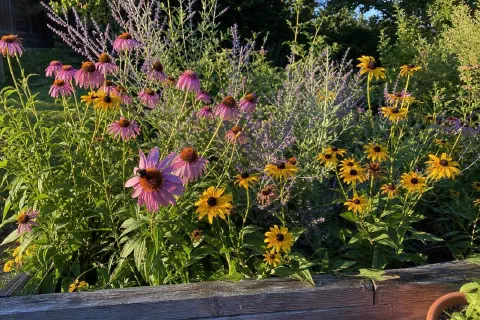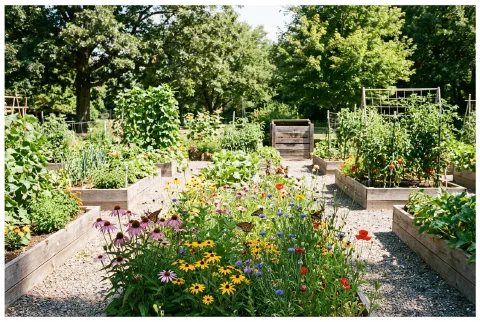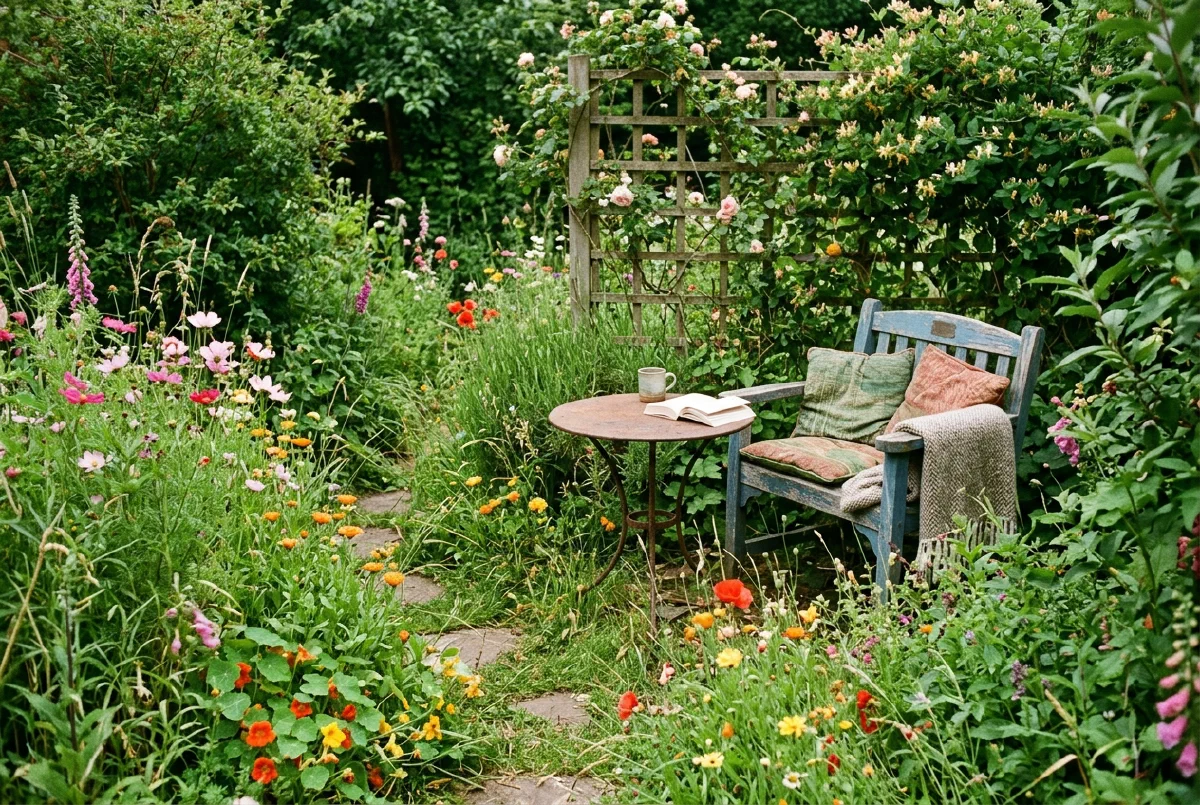
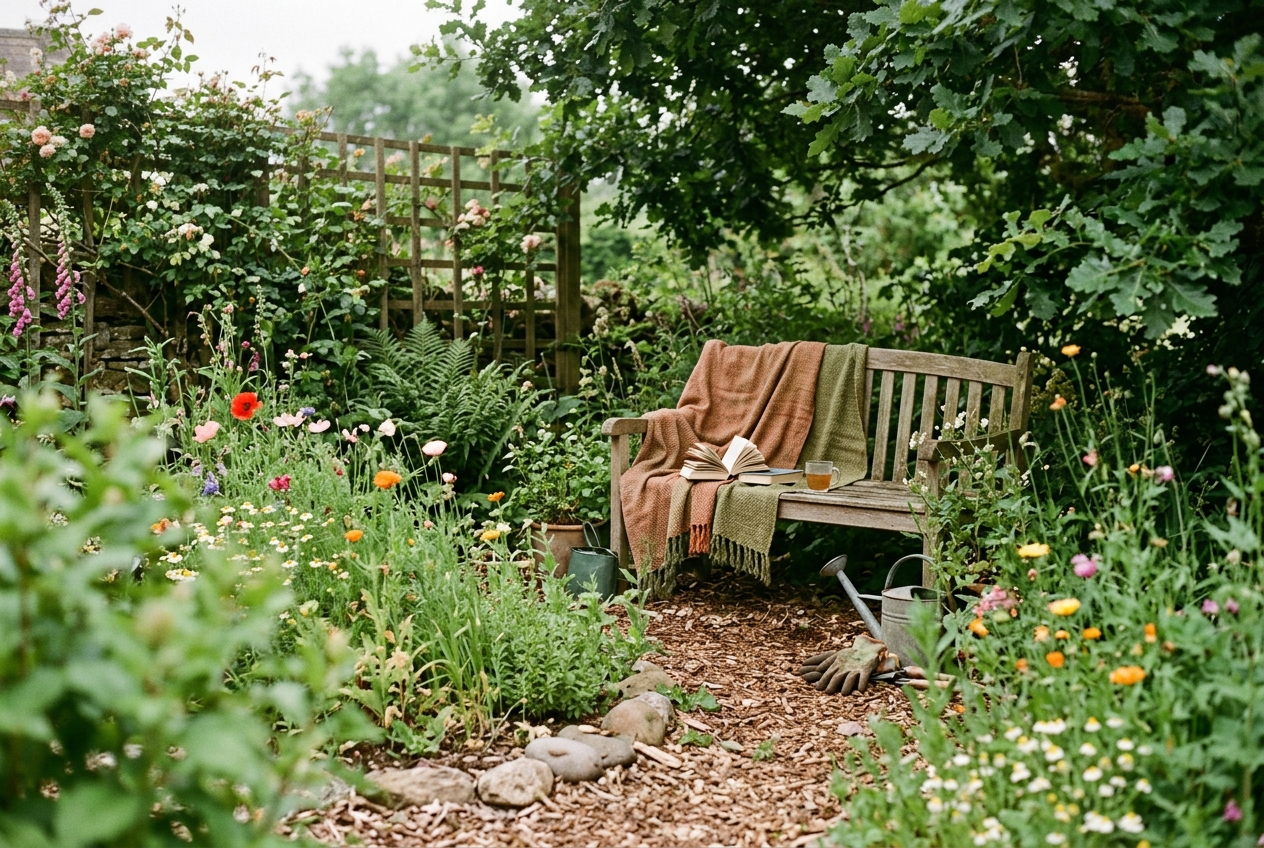
Chaos gardening uses loose, mixed planting instead of straight rows. It can suit a small flower patch, but the informal layout still needs suitable plants, seed-to-soil contact, water, and weed identification. Scattering over an established lawn and walking away rarely gives the result shown in a full-flower photograph.
Start with a patch small enough to inspect. If the aim is butterfly habitat, choose regional plants and host species rather than assuming a colorful mix is native or provides caterpillar food.
Choose Chaos Gardening Seeds for the Site
Read the species list and check light, moisture, mature height, and local invasive status. A label saying wildflower does not establish native range. Separate cool-season and warm-season annuals if their sowing windows differ. Native perennials may need cold-moist treatment and more than one season to reach a full display.
You can use a loose arrangement of cosmos, calendula, alyssum, or other annuals where they suit the region and site. Do not call the resulting patch a native meadow unless the species and location support that description. Reseeding is possible, not guaranteed; hybrids, weather, and cleanup affect what returns.
Prepare the Ground Before Scattering
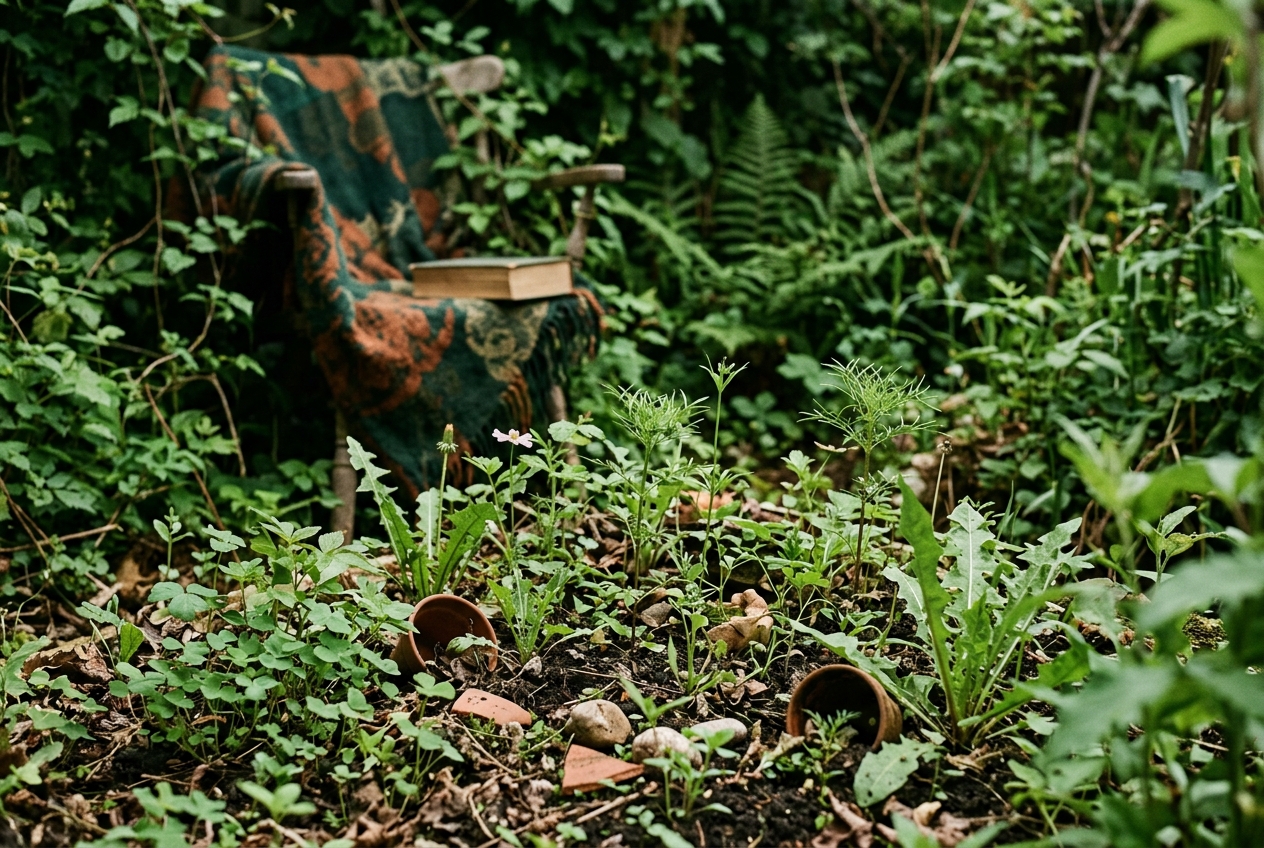
Xerces’ habitat installation guidance emphasizes site preparation before seed establishment. Remove competing vegetation and address persistent weeds before sowing. Skimming the top of a lawn can leave live grass and perennial roots ready to overwhelm small seedlings.
Rake a manageable area so seed reaches soil. Check drainage and choose plants for the soil you have; a thin bag of compost will not resolve every clay or drainage problem. Avoid adding fertilizer by habit. Soil testing and crop needs are a better basis for amendments than a universal recipe.
How to Sow at the Packet Rate
Measure the patch and calculate seed quantity from the supplier’s rate. Seed weight, purity, and species vary too much for one handful per square foot to be a reliable rule. More seed can increase crowding instead of useful flowers.
- Choose the sowing window for the exact species and local climate.
- Use a carrier if the supplier recommends one, so small seed spreads evenly.
- Sow in more than one direction to reduce missed strips.
- Follow packet depth: some seed needs light, while other seed needs covering.
- Water gently, then monitor moisture during germination. Adjust to rain and drying rather than stopping after two weeks automatically.
What to Look for as the Patch Develops
| Stage | Useful observation | Next action |
|---|---|---|
| Before emergence | Mix stays suitably moist; seed is not washing downhill | Adjust watering or erosion protection |
| Small seedlings | Flowers and weeds can look alike | Compare with identified seedlings; do not assume every green shoot is a flower |
| Crowded growth | Plants lean, shade one another, or remain weak | Thin where the species needs room |
| Flowering | Bloom timing and visitor activity differ by species | Record useful plants for next year’s selection |
| Seed maturity | Wanted plants may reseed alongside weeds | Keep suitable seed heads, remove problem plants before seeding |
Control Bindweed and Other Problem Weeds
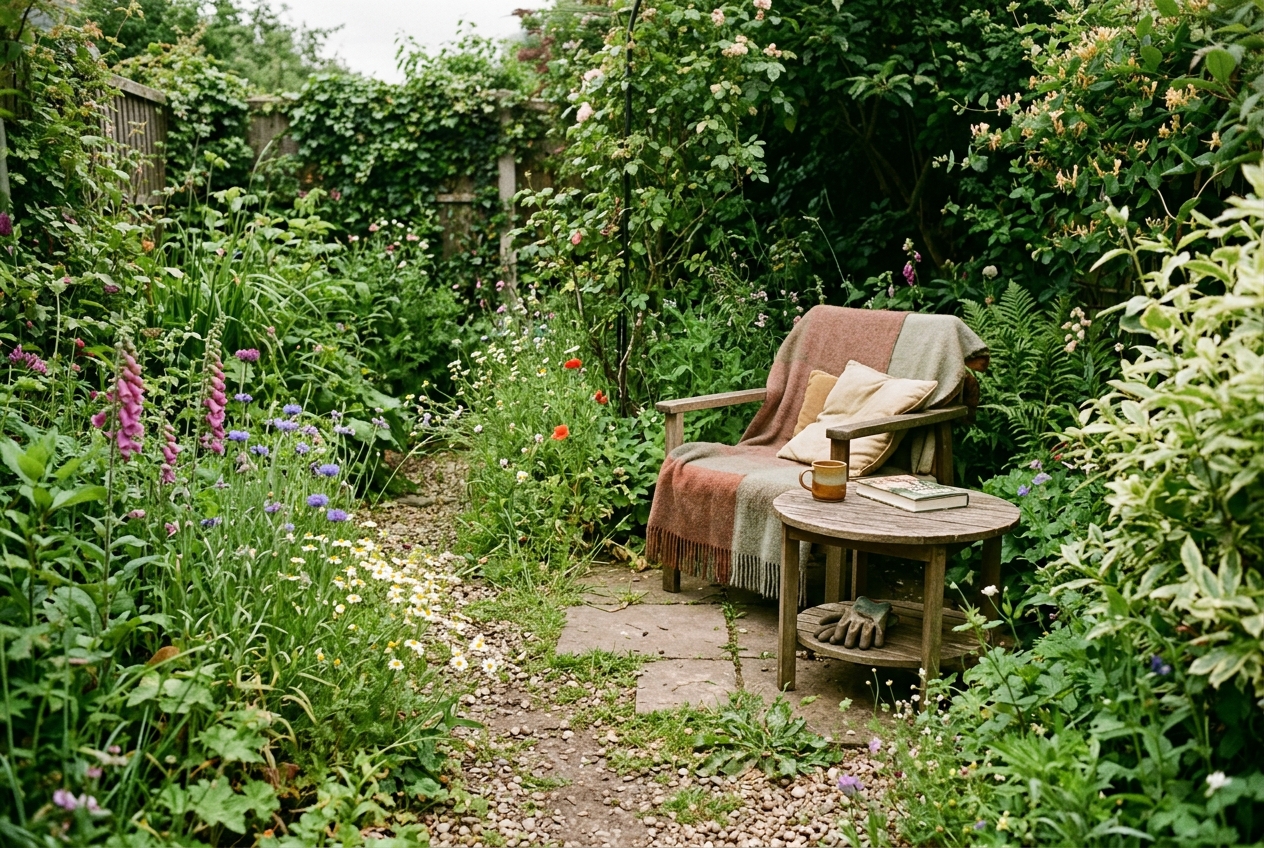
Field bindweed is not a harmless gap filler. Utah State Extension describes persistent follow-up for established bindweed; one casual pull does not remove its root system. Identify spreading perennial weeds and use local control guidance before they seed or spread through the bed.
Water during dry spells according to plant and soil needs. Keep an intentional edge or path so you can inspect the patch. Deadhead where useful, but leave selected wanted seed heads if reseeding is part of the plan. No patch has a proven zero-dollar, three-hour annual maintenance allowance.
For insect habitat, Xerces’ nesting resources explain the value of appropriate stems and undisturbed areas. Avoid automatically shredding every standing stem in early spring. Choose cleanup timing and retained habitat deliberately.
What to Read Next
- Start a Wildflower Garden from Seed in 5 Easy Steps is the tidier version of the same idea if you want a little more structure than a toss.
- Native Plants for Wildlife Habitat explains which of these plants actually feed pollinators instead of just looking wild.
- Butterfly Garden Plants for Zone 7 helps you push a chaos patch toward butterflies rather than whatever the mix happened to contain.
- Seed Savers and Flowers to Save is the next step once your patch reseeds itself and you want to keep the colors you liked.