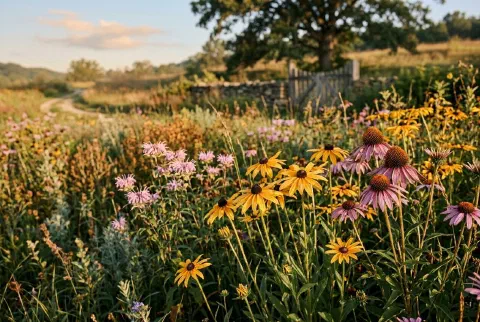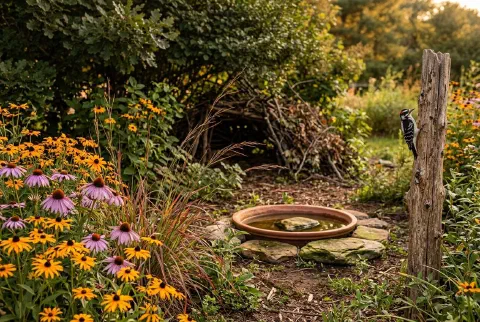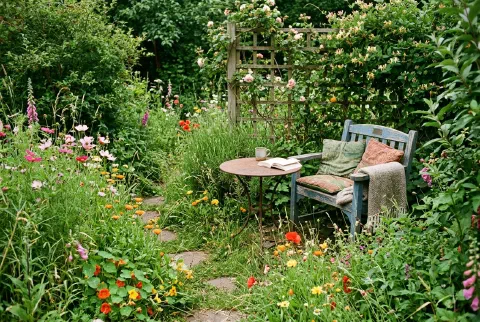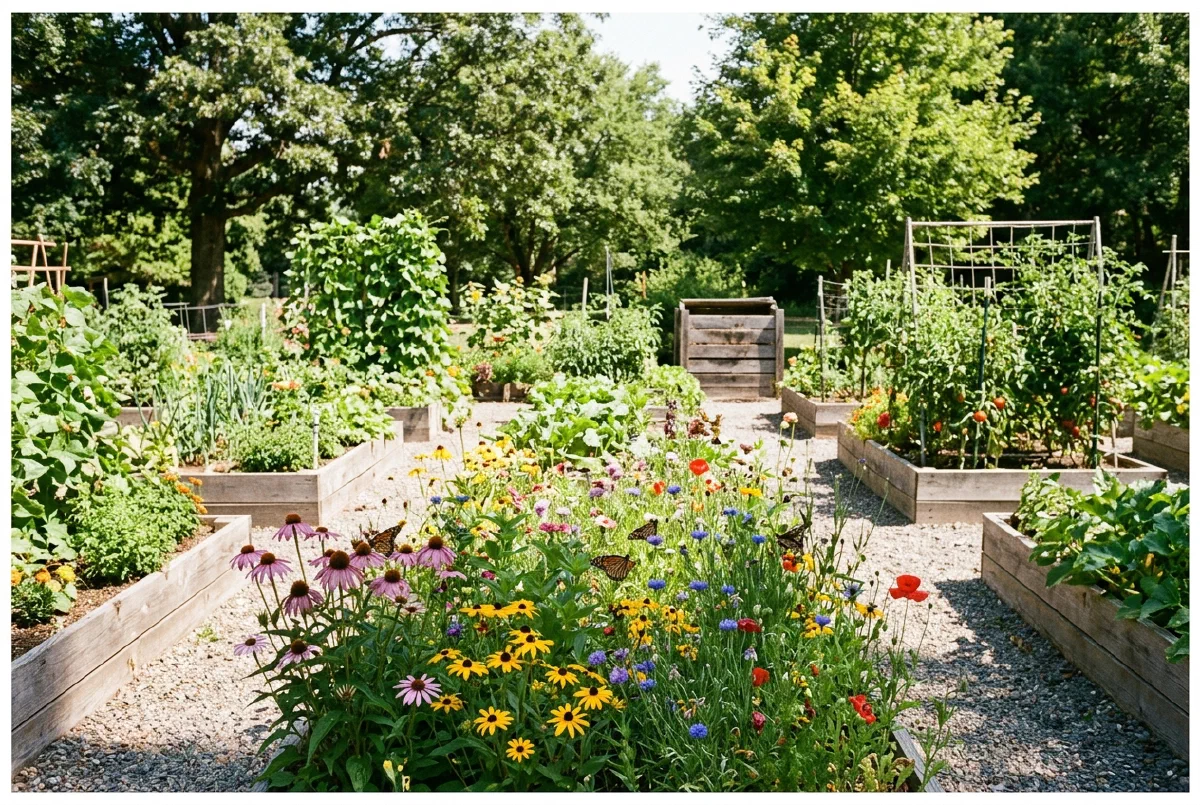
Choose a wildflower seed mix for butterflies by its species list and your site, not the brightest packet photo. A useful mix needs plants suited to your region, soil, and light, with flowers across the growing season. Butterflies also need larval host plants; nectar alone does not complete their life cycle.
This is a selection and establishment guide, not a report of product trials. A seed packet cannot promise a particular butterfly count or an arrival date.
Choosing a Butterfly Wildflower Mix
| Check on the label | What you need to learn | Reason to pause |
|---|---|---|
| Named species | Scientific names and whether they are native locally | A vague “wildflower” label with no list |
| Sun and soil | Whether the mix suits the actual planting spot | A sunny-meadow mix for a shaded, wet corner |
| Annuals and perennials | What may flower early and what needs establishment time | Expecting every species to bloom the first summer |
| Host plants | Whether the mix supports caterpillars as well as adult visitors | Assuming every nectar flower feeds monarch larvae |
| Sowing rate and coverage | How much seed the measured area needs | Buying by bag weight alone |
| Local restrictions | Whether any included species is invasive in your area | Treating “native” as a nationwide label |
Start with Xerces’ regional pollinator resources. Cross-check the mix with a local native-plant nursery or extension office. A mix sold for “Eastern states” can still contain plants poorly suited to one particular yard.
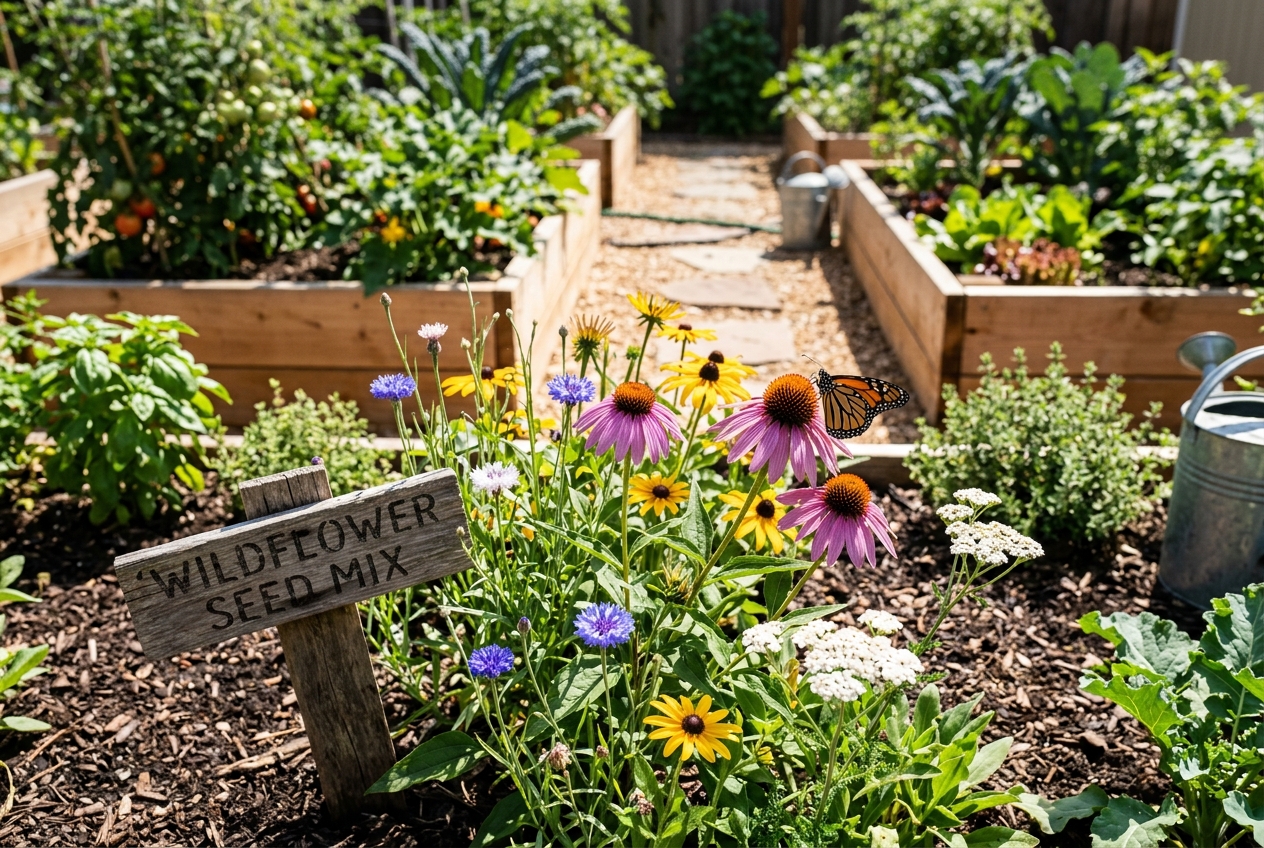
Choose a Mix, Plugs, or a Combination
Seed can cover a larger area economically, but small seedlings are difficult to identify and compete with existing grass. Plugs cost more per plant, while giving you a recognizable plant to position and weed around. A small bed near the patio may be easier to start with a few named plants than a mixed packet.
If the goal is monarch habitat, check the local milkweed choice separately. Native plants for butterfly habitat helps distinguish host plants from nectar plants. Keep seasonal bloom overlap in mind rather than buying only flowers that are in bloom at the nursery today.
Site Preparation Steps Before Sowing
A short lawn is still a lawn. Mowing and roughing up the surface does not reliably remove established turf or persistent weeds. Xerces’ meadow-establishment guide treats site preparation as a separate stage, followed by planting and ongoing management.
- Measure the proposed area and observe its light and moisture.
- Identify existing weeds before deciding how to remove the vegetation.
- Choose a preparation method suited to the site, local rules, and time available.
- Wait until the site is ready rather than seeding into surviving grass.
- Mark the edges and retain a path so you can inspect and manage the seedlings.
For a first attempt, keep the area small enough that you can recognize seedlings and remove weeds. A clear edge and a maintained path also make a loose planting easier to live with beside a home.
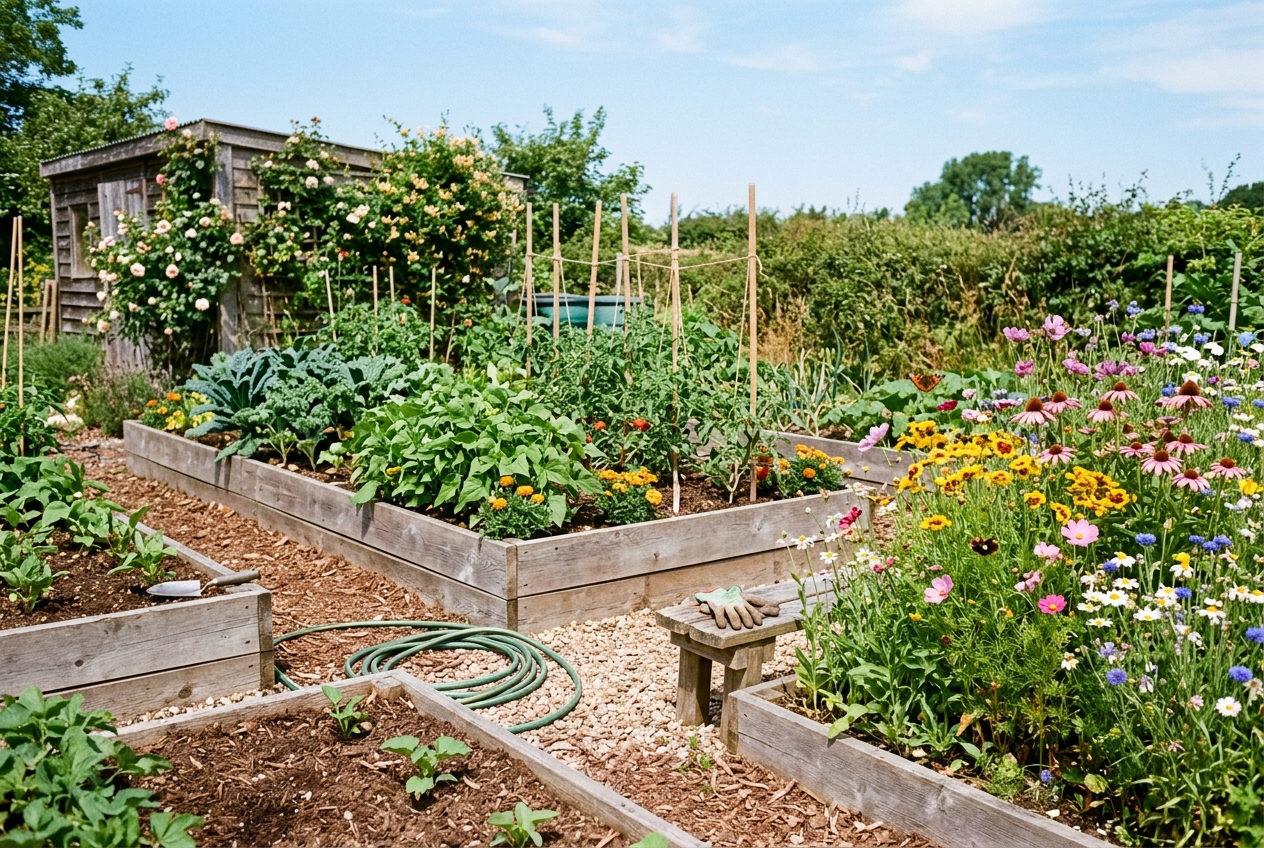
Sow According to the Mix’s Instructions
Follow the supplier’s rate and species-specific preparation requirements. Some native seed needs cold, moist conditions before germinating; other seed can be sown in spring. Xerces’ installation guidance discusses fall and spring sowing and using a carrier to distribute small seeds evenly.
Do not substitute one universal ounces-per-area rate for the packet. Mixes vary in seed size, composition, and filler. Keep the label so you can compare emerging seedlings with the named species.
Watering depends on the mix, season, and weather. Follow the establishment plan rather than stopping automatically after three weeks. Do not add compost or fertilizer by habit to a meadow mix selected for lean soil.
Native Perennial Care Through Two Seasons
Expect to identify weeds, keep aggressive plants from taking over, and follow the mix’s recommended management schedule. Some perennials spend the first season building roots. Sparse first-year flowers do not prove the packet failed, but unchecked weeds can overwhelm the planting.
Record sowing date, weather, species that emerge, and visitor observations. Those notes tell you what happened in your yard. They do not establish a universal butterfly yield or a product ranking.
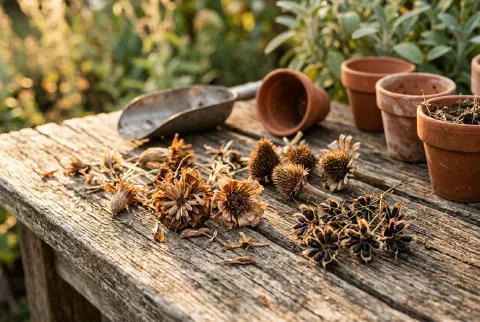
Leave suitable seed heads and stems when they provide habitat, while keeping paths and safety clearances open. Avoid a blanket autumn cut-down date for every species and region.
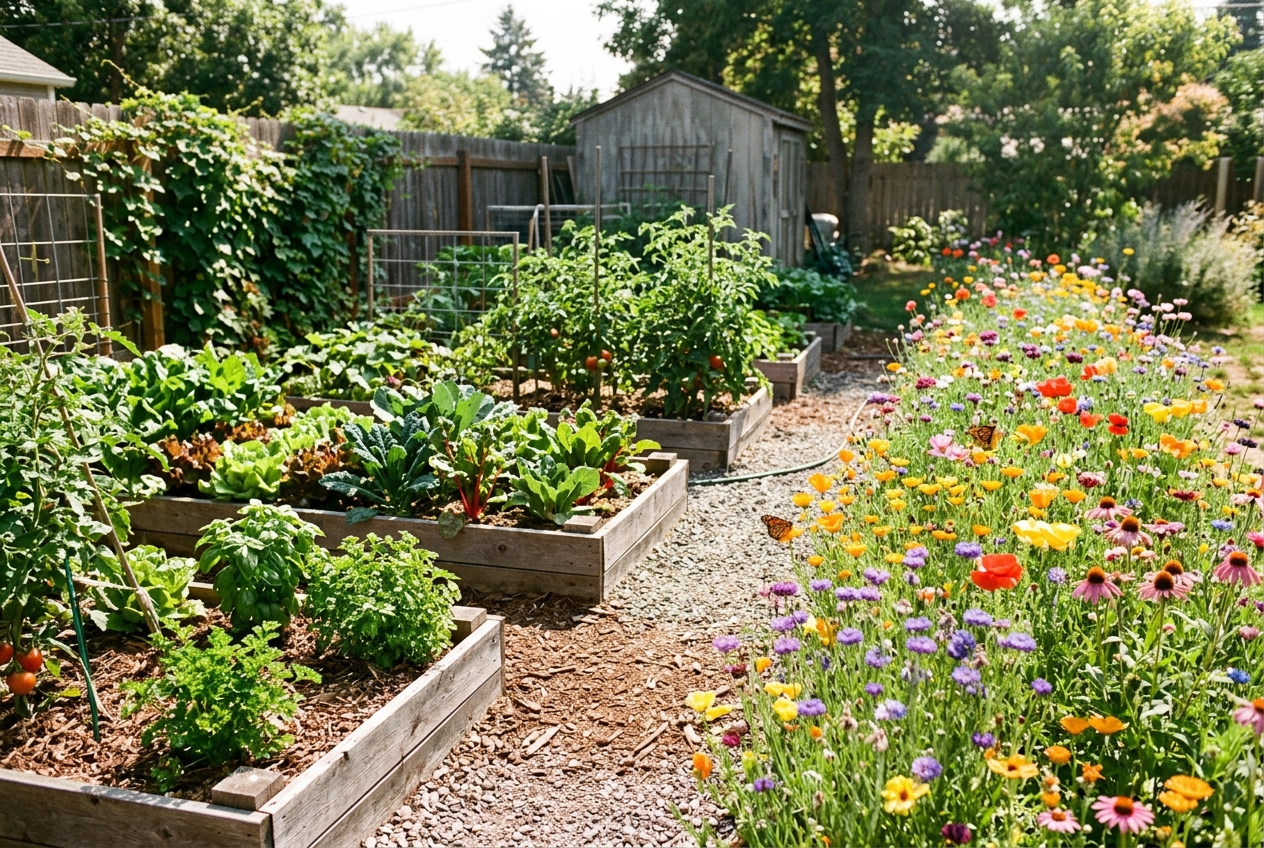
Budget for More Than the Seed Bag
Include site preparation, tools you need to borrow or buy, establishment water, and any plants used to fill missing seasonal or host-plant roles. Compare coverage at the recommended rate. A cheaper bag is poor value if it contains unsuitable species or leaves a large gap in the planting plan.
Keep the first purchase small. Once you know which species suit the site, expand with those plants rather than repeatedly sowing an unidentified mixture.
What to Read Next
- Native plants for butterfly habitat helps you choose host and nectar species individually.
- Start a wildflower garden from seed covers the wider setup sequence.
- Monarch butterfly garden plants focuses on the milkweed and seasonal nectar decision.
- Low-maintenance landscaping on a budget compares a meadow with other ways to reduce lawn upkeep.