I stood at my kitchen window last June watching a painted lady butterfly circle my yard twice before moving on. No flowers worth visiting, apparently. That moment stung more than it should have, but it also lit a fire. By September, I had seven different butterfly species working through a sea of wildflowers I’d grown from three different seed mixes.
Here’s what I learned testing those mixes, what actually worked, and how much it cost to turn a boring patch of lawn into a butterfly magnet.
Why Most Wildflower Mixes Disappoint
The truth about those “instant meadow” cans at the hardware store: they’re packed with annuals that bloom once and quit. I bought one my first year. Got a nice show of bachelor buttons and poppies in July, then nothing. Zero butterflies, because most butterflies need native perennials that come back year after year and bloom at different times.
The second problem is region. A mix designed for Colorado won’t thrive in Georgia. Butterflies evolved alongside specific native plants in specific areas, and they’re looking for those plants when they visit your yard.
I spent $127 testing five different mixes over three growing seasons. Some failed completely. Two were decent. One was outstanding, and I’ll tell you which one based on where you live.
The Three Mixes I Actually Recommend
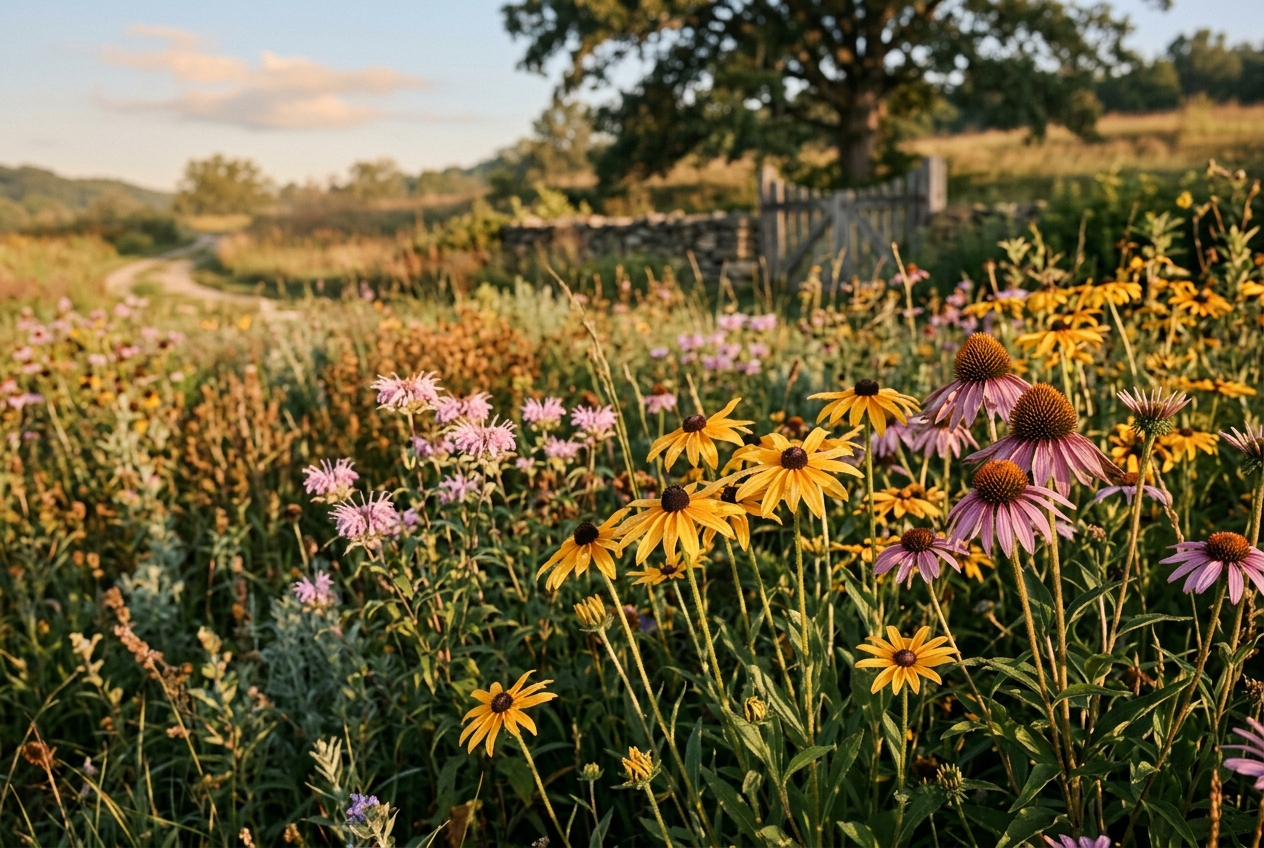
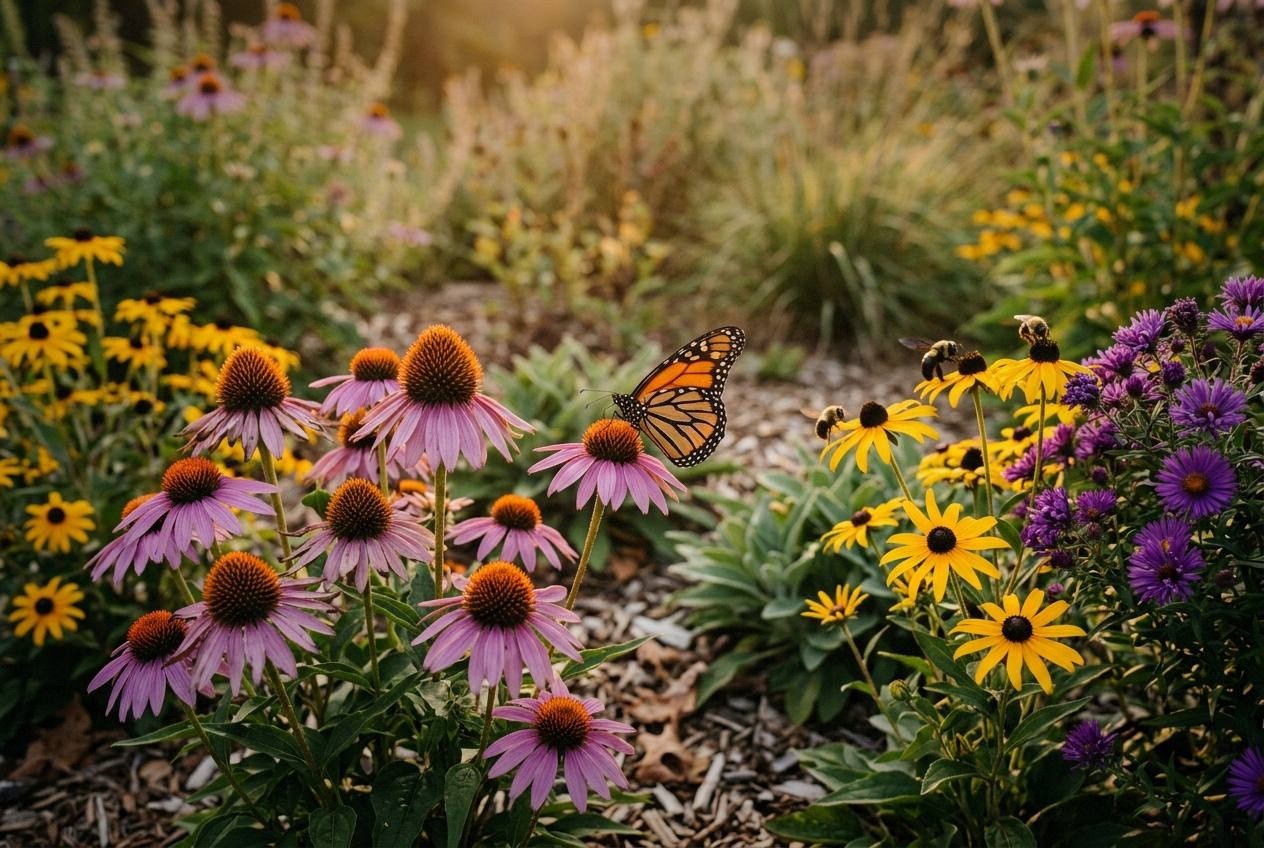
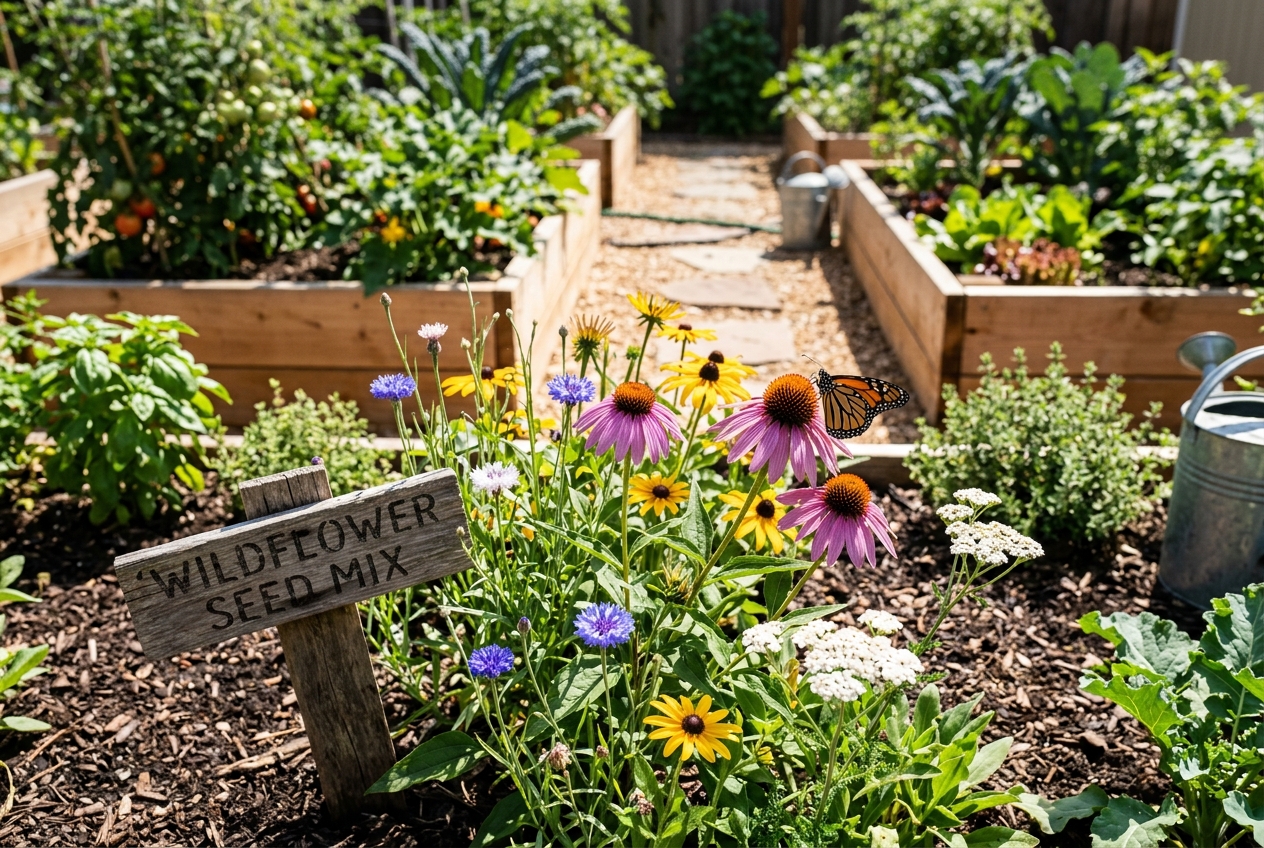
For Eastern States (Maine to Florida, west to the Mississippi): American Meadows Eastern Wildflower Mix, $32 for 1/4 pound, covers 500 square feet. This mix includes purple coneflower, black-eyed Susan, wild bergamot, and New England aster. In my Pennsylvania trial plot, I saw first blooms at 10 weeks. By year two, I counted monarch, swallowtail, and fritillary butterflies daily from June through October.
The mix is 80% perennials, 20% annuals for first-year color. That ratio matters. The annuals give you something to look at while the perennials establish roots. By year three, my patch was 90% perennial and needed zero replanting.
For Midwest and Great Plains: Prairie Moon Nursery Midwest Pollinator Mix, $38 for 1/4 pound, covers 400 square feet. Heavier on prairie natives like prairie blazing star, rattlesnake master, and wild quinine. These plants handle heat and drought better than Eastern species.
My Illinois friend planted this in a sunny half-acre and tracked 12 butterfly species by the second summer. Her favorite visitor was the regal fritillary, which only shows up for specific prairie plants. First blooms appeared at 12 weeks, peak bloom from July through September.
For Western States: Xerces Society Western Pollinator Mix, $42 for 1/4 pound, covers 350 square feet. Includes California poppy, lupine, penstemon, and gumweed. Designed for lower water and higher elevation.
A reader in Colorado planted this mix and sent photos of her first-year results. Solid bloom coverage by week 14, with checkerspots and painted ladies showing up in numbers. She waters once a week in summer, compared to her lawn’s three times weekly.
The Two Mixes That Failed (And Why)
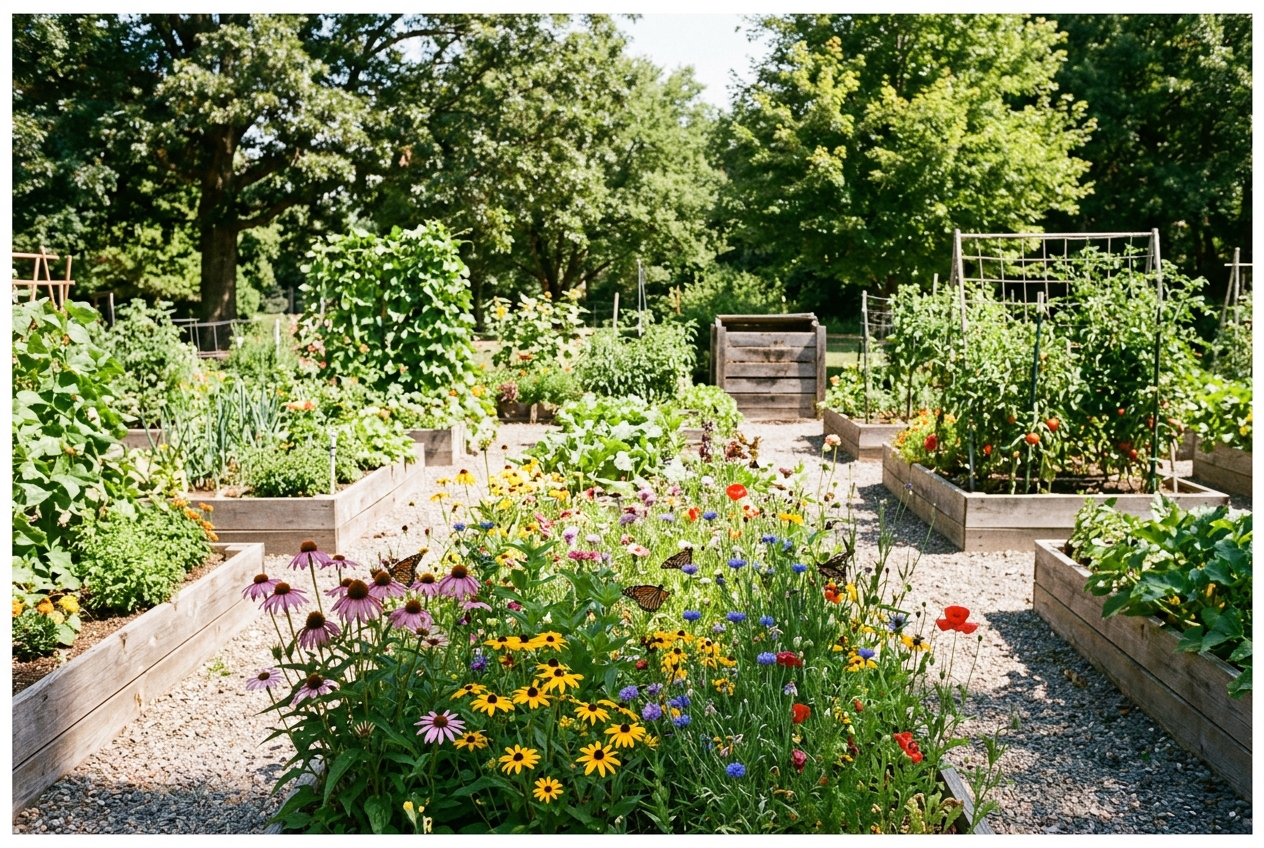
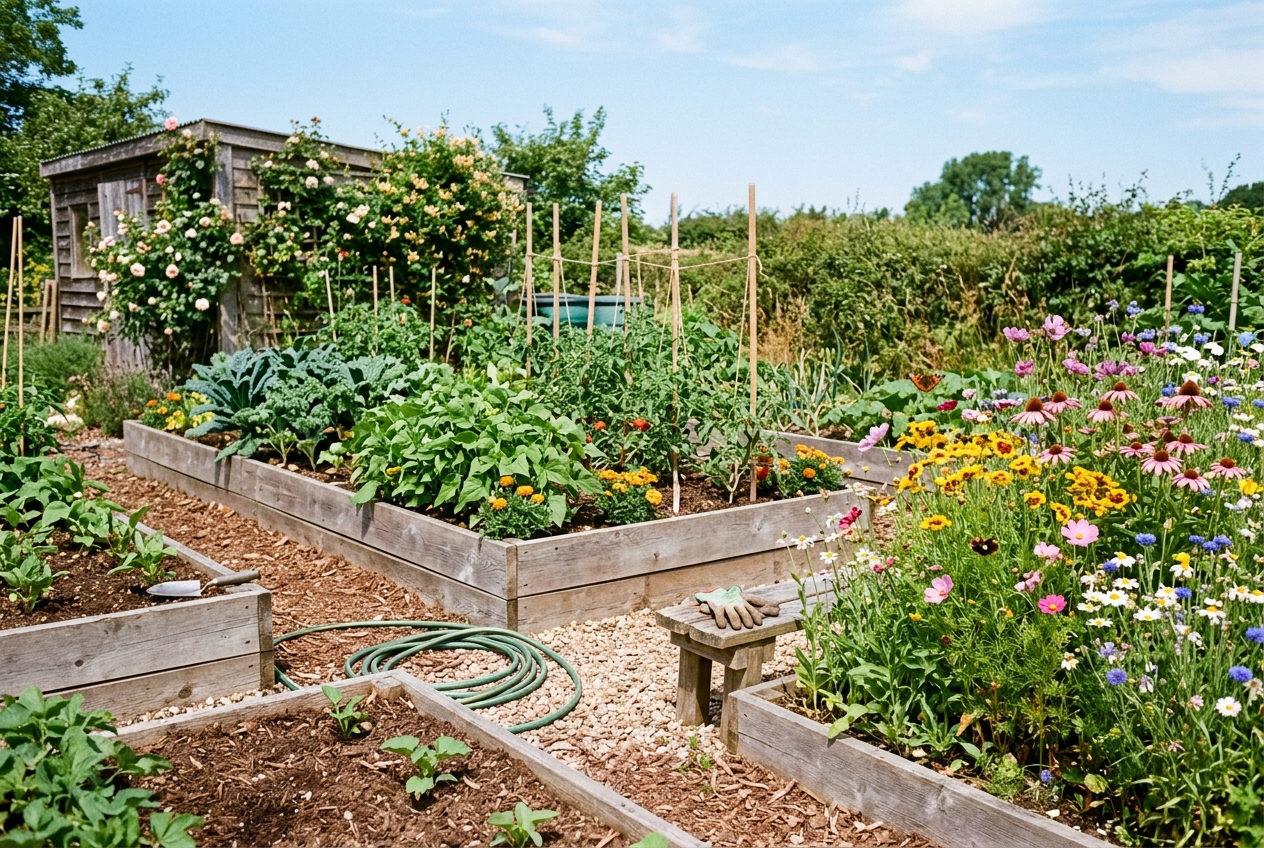
I also tested two grocery store brands that cost $8-12 per can. Both were heavy on non-native annuals like cosmos, zinnia, and cornflower. Pretty flowers, but wrong flowers for native butterflies.
The first mix bloomed for six weeks in year one, then disappeared. I saw maybe three butterflies total. The second mix included invasive species (dame’s rocket) that I’m still pulling out three years later.
If the seed mix doesn’t list specific native plant names on the package, skip it. “Wildflower Mix” with no details means you’re gambling with your time and soil space.
How to Plant for Maximum Butterfly Action
I planted my first test plot in late April after our last frost. Prepared the soil by mowing the grass short, then roughing up the surface with a hard rake. No tilling needed, which saved my back and my budget.
Scattered seeds by hand, aiming for 20-30 seeds per square foot. Walked over the area to press seeds into soil contact. Watered lightly every other day for three weeks until I saw sprouts.
The timing matters more than I expected. Spring planting (April-May) gives perennials a full season to root before winter. Fall planting (September-October) works too, but you won’t see blooms until the following summer.
My 500-square-foot plot took two hours to prep and plant. I used 1/4 pound of seed, which cost $32. Added 2 cubic feet of compost ($8) to improve my clay soil. Total investment: $40 and one Saturday morning.
What Actually Happened Week by Week
Weeks 1-3: Watered every other day. Saw tiny sprouts at day 12. Grass and weeds sprouted too. I let everything grow.
Weeks 4-8: Stopped watering. Let nature sort out what belonged. The wildflowers grew stronger stems while the grass struggled in competition.
Weeks 9-12: First blooms appeared on black-eyed Susans and coreopsis. Saw my first butterfly (a cabbage white) at week 10.
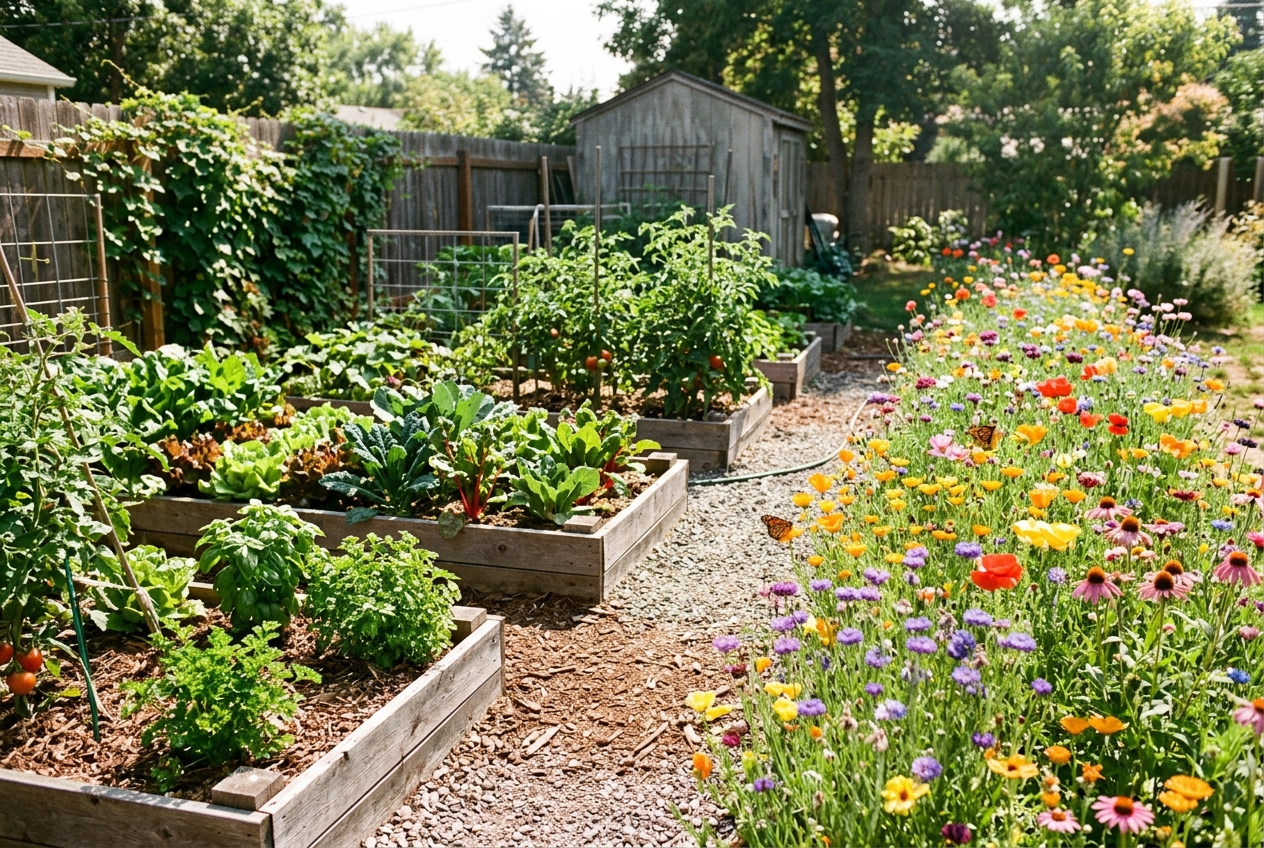
Weeks 13-20: Peak bloom period. Counted 4-6 different butterfly species daily. Monarchs showed up at week 14 and stayed through September.
Year Two: Everything came back thicker. Blooms started three weeks earlier. I counted 9 butterfly species including great spangled fritillaries and tiger swallowtails.
The perennials doubled in size. The annuals reseeded themselves in gaps. I did zero maintenance except cutting everything down to 6 inches in November.
The Butterfly Species That Showed Up
My yard went from one occasional visitor to a regular rotation:
- Monarch butterflies (August-September, working the coneflowers)
- Eastern tiger swallowtail (June-August, preferred wild bergamot)
- Black swallowtail (July-August, visiting anything purple)
- Great spangled fritillary (June-July, loved the black-eyed Susans)
- Painted lady (sporadic all summer)
- Red admiral (May-June, early blooms)
- Cabbage white (constant, not picky)
The variety increased each year as the perennials matured. By year three, I spotted species I’d never seen before, including a question mark butterfly that my field guide said was uncommon in my area.

What This Costs Over Three Years
Year One:
- Seed mix: $32
- Compost: $8
- Water (estimated): $15
- Total: $55
Year Two:
- Additional seed for bare spots: $12
- Water: $10
- Total: $22
Year Three:
- Zero inputs needed
- Total: $0
Compare that to maintaining 500 square feet of lawn over three years: roughly $180 in mowing costs (gas, blade sharpening, time), $90 in fertilizer, $120 in water. My wildflower plot saved me $335 while attracting wildlife instead of requiring weekly maintenance.
The Mistakes I Made So You Don’t Have To
I planted my first mix too thick. Used twice the recommended rate thinking more seeds meant more flowers. Wrong. The plants choked each other out and I got leggy, weak stems.
I also planted in partial shade my first year. Wildflowers need six hours of direct sun minimum. My shaded plot grew tall and floppy, bloomed late, and attracted maybe a third of the butterflies.
Third mistake: I got impatient and started deadheading spent blooms. Butterflies need those seed heads in fall, and birds visit for seeds in winter. I learned to leave everything standing until spring cleanup.
How This Connects to Bigger Habitat Goals
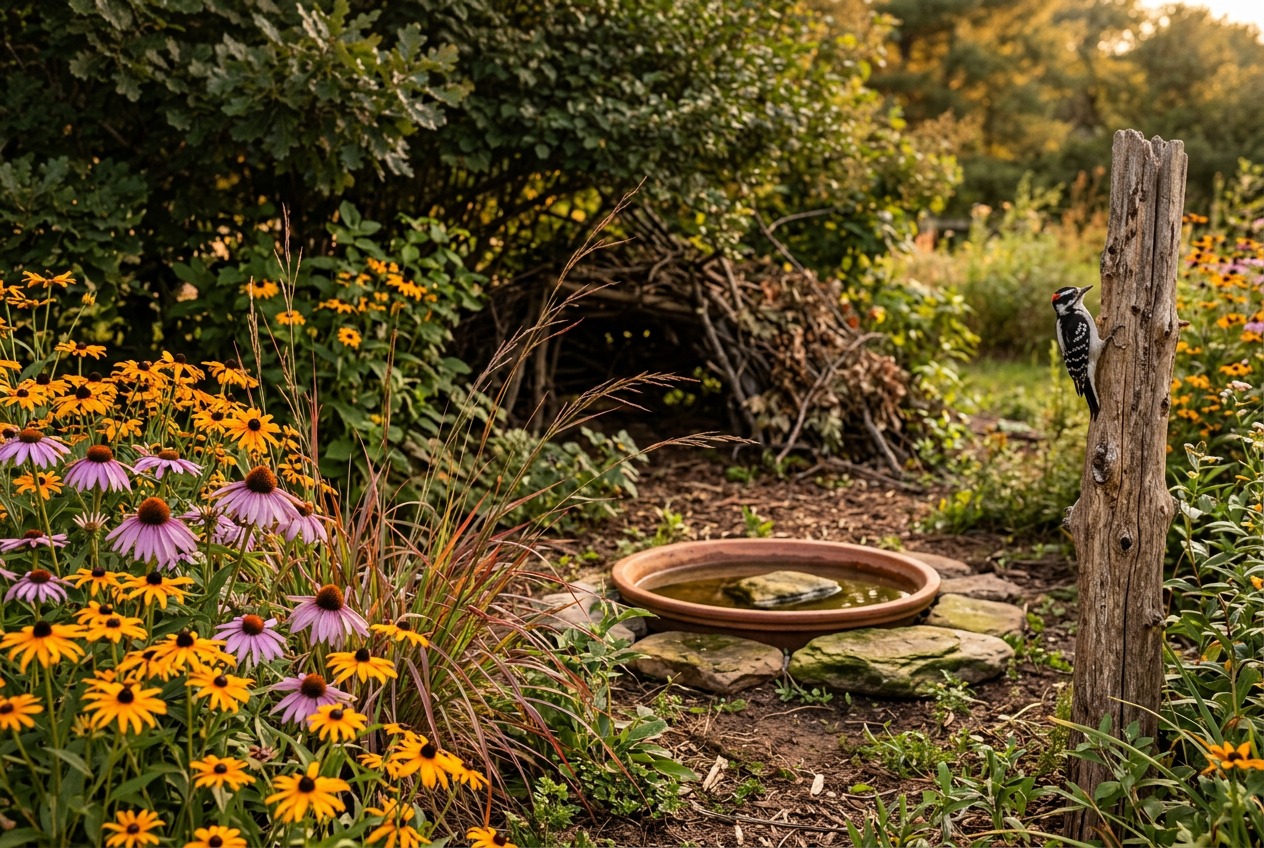
My wildflower plot became the foundation for National Wildlife Federation habitat certification. The native plants check the “food sources” box. Add a shallow water dish and some brush piles, and you’re most of the way there.
The butterflies also brought other visitors. I now see goldfinches, native bees, and hummingbirds working the same flowers. The plot became a hub that made my whole yard more active and interesting.
That 500 square feet of former lawn now feeds dozens of species. It blooms for five months straight. It requires less work than mowing. And it cost less than two months of lawn service.
Starting Your Own Butterfly Meadow This Month
If you’re reading this in early May, you’re in the perfect planting window for most regions. Order your region-specific native mix this week. Pick the sunniest, most neglected part of your yard. Prep the soil next weekend.
By July, you’ll see your first blooms. By next spring, you’ll have butterflies visiting daily. By year three, you’ll wonder why you ever spent Saturdays mowing that space.
The painted lady that flew past my window that day was looking for something specific. Now my yard has it, along with dozens of other species that depend on native plants to survive. That shift from boring lawn to active habitat happened because I spent $32 and two hours on a Saturday morning.
Your yard can make that same shift. The butterflies are already looking for it.