Direct-sow sweet peas, bachelor’s buttons, and larkspur seeds outdoors in March when soil temperature hits 40°F. These cold-hardy annuals germinate faster in cool soil than in summer heat and produce stronger root systems. In zones 5-8, March-sown flowers bloom by late May or early June.
What You Need
| Item | Details | Cost |
|---|---|---|
| Seed packets | 12 varieties listed below | $3-5 each |
| Garden fork or broadfork | Loosen top 6 inches of soil | $25-60 |
| Compost | 1-2 inches over bed | $8/bag or homemade |
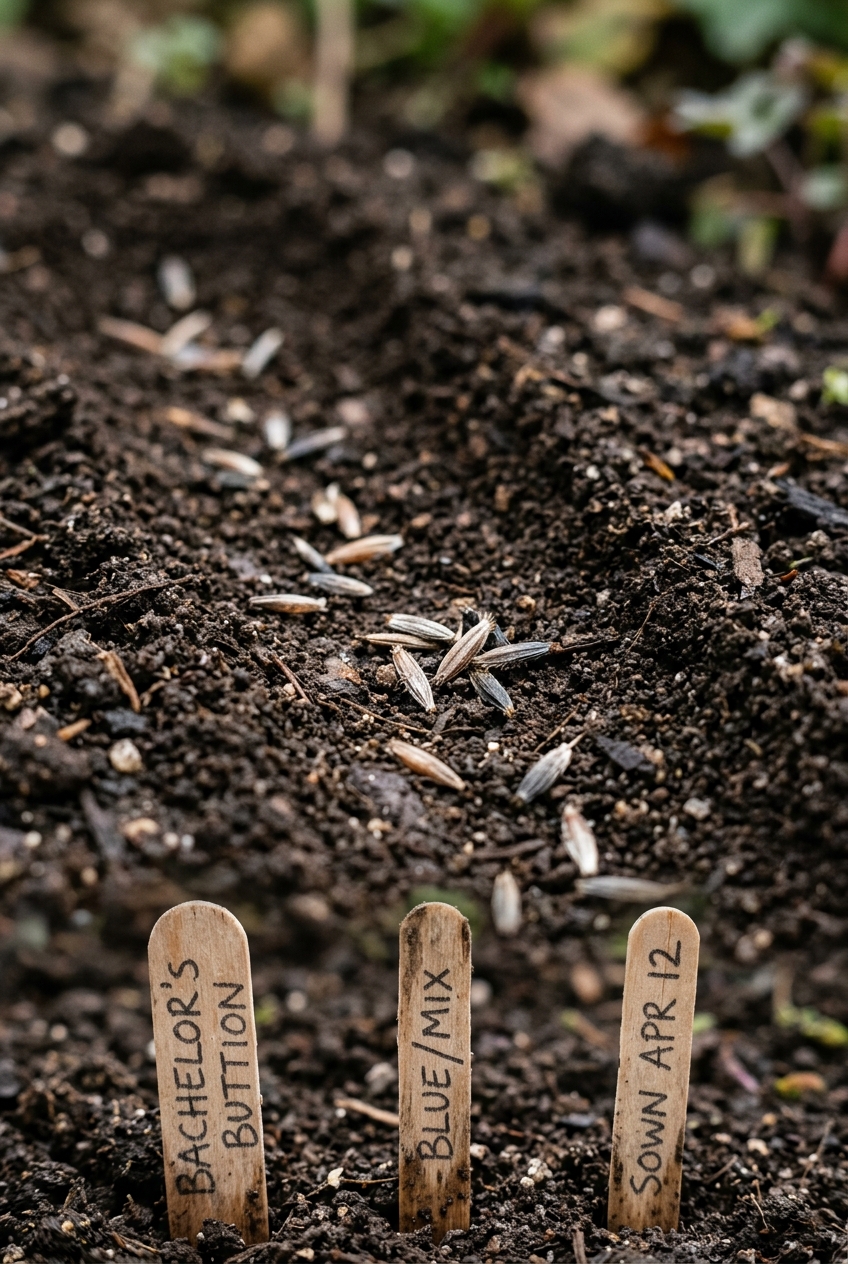
| Row markers | Popsicle sticks or wooden stakes | $5 for 100 |
| Garden twine | For sweet peas and larkspur | $6/roll |
| Soil thermometer | Verify 40°F at 2-inch depth | $8-12 |
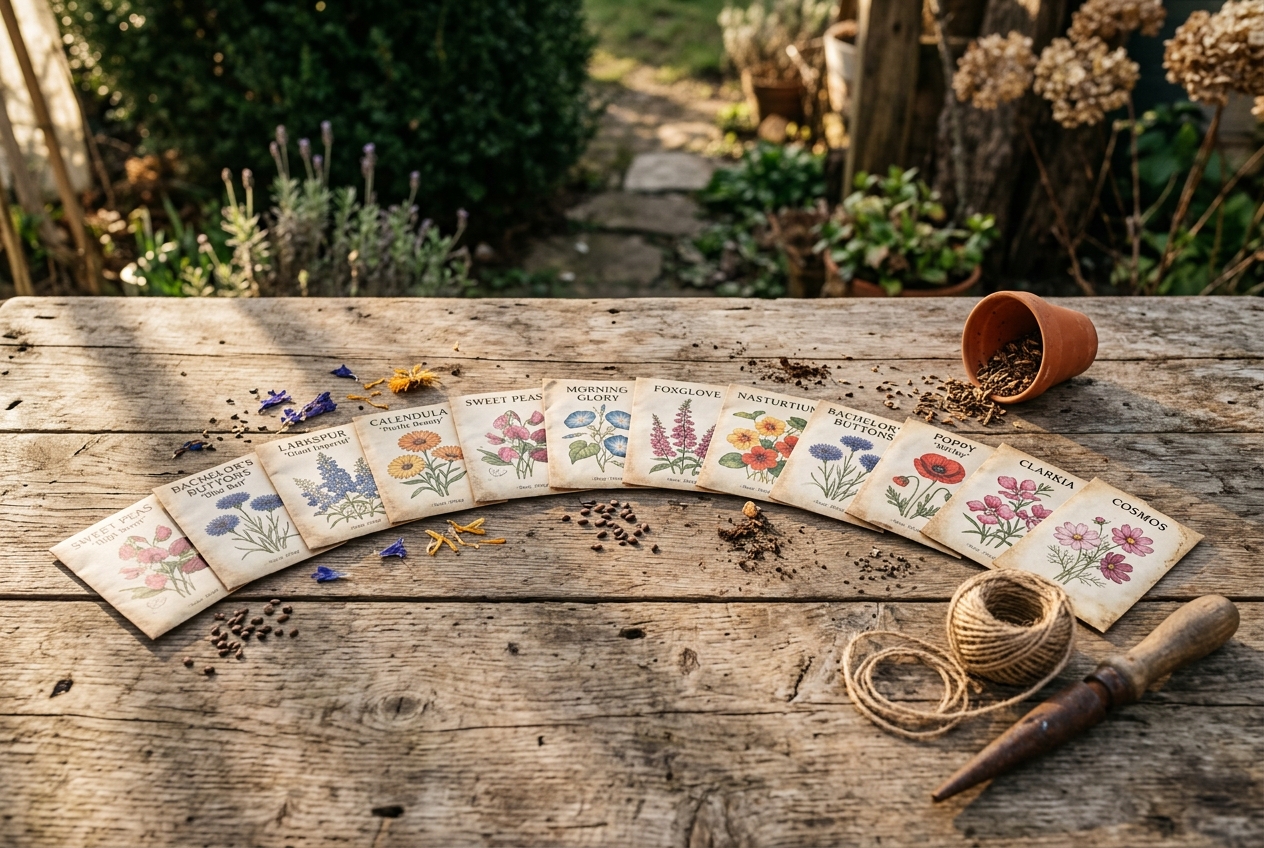
Buy seeds from Botanical Interests, Renee’s Garden, or Baker Creek. Avoid big-box store seed racks after February. Old seed loses viability.
12 Cold Hardy Flowers to Plant Now
| Flower | Sowing Depth | Spacing | Days to Germination | Bloom Time | Zones |
|---|---|---|---|---|---|
| Sweet Peas (Lathyrus odoratus) | 1 inch | 6 inches | 10-14 days | 8-10 weeks | 3-9 |
| Bachelor’s Buttons (Centaurea cyanus) | ¼ inch | 12 inches | 7-10 days | 8 weeks | 2-11 |
| Larkspur (Consolida ajacis) | Surface | 12 inches | 14-21 days | 10-12 weeks | 2-11 |
| Love-in-a-Mist (Nigella damascena) | ¼ inch | 8 inches | 10-15 days | 8-10 weeks | 2-11 |
| Calendula (Calendula officinalis) | ½ inch | 12 inches | 5-14 days | 6-8 weeks | 2-11 |
| Poppies, Breadseed (Papaver somniferum) | Surface | 12 inches | 10-30 days | 10-12 weeks | 3-9 |
| Snapdragons (Antirrhinum majus) | Surface | 12 inches | 10-21 days | 10-12 weeks | 7-10 (annual elsewhere) |
| Bells of Ireland (Moluccella laevis) | ¼ inch | 12 inches | 25-35 days | 12 weeks | 2-11 |
| Stock (Matthiola incana) | Surface | 12 inches | 7-10 days | 10 weeks | 7-10 (annual elsewhere) |
| Clarkia (Clarkia unguiculata) | Surface | 9 inches | 5-10 days | 8-10 weeks | 2-11 |
| Orlaya (Orlaya grandiflora) | ¼ inch | 10 inches | 14-28 days | 12 weeks | 5-9 |
| Ammi (Ammi majus) | Surface | 12 inches | 7-21 days | 10-12 weeks | 2-11 |
All of these prefer or tolerate cool soil. Most will sulk if sown after mid-April in zones 6-7.
How to Direct Sow in March
Step 1: Check soil temperature at 8 a.m. for three consecutive days. You need a consistent 40°F at 2-inch depth. Zones 6-7 typically hit this in early to mid-March. Zone 5 by late March.
Step 2: Loosen soil with a garden fork. Break up clumps. Rake smooth. Spread 1-2 inches of compost over the bed.
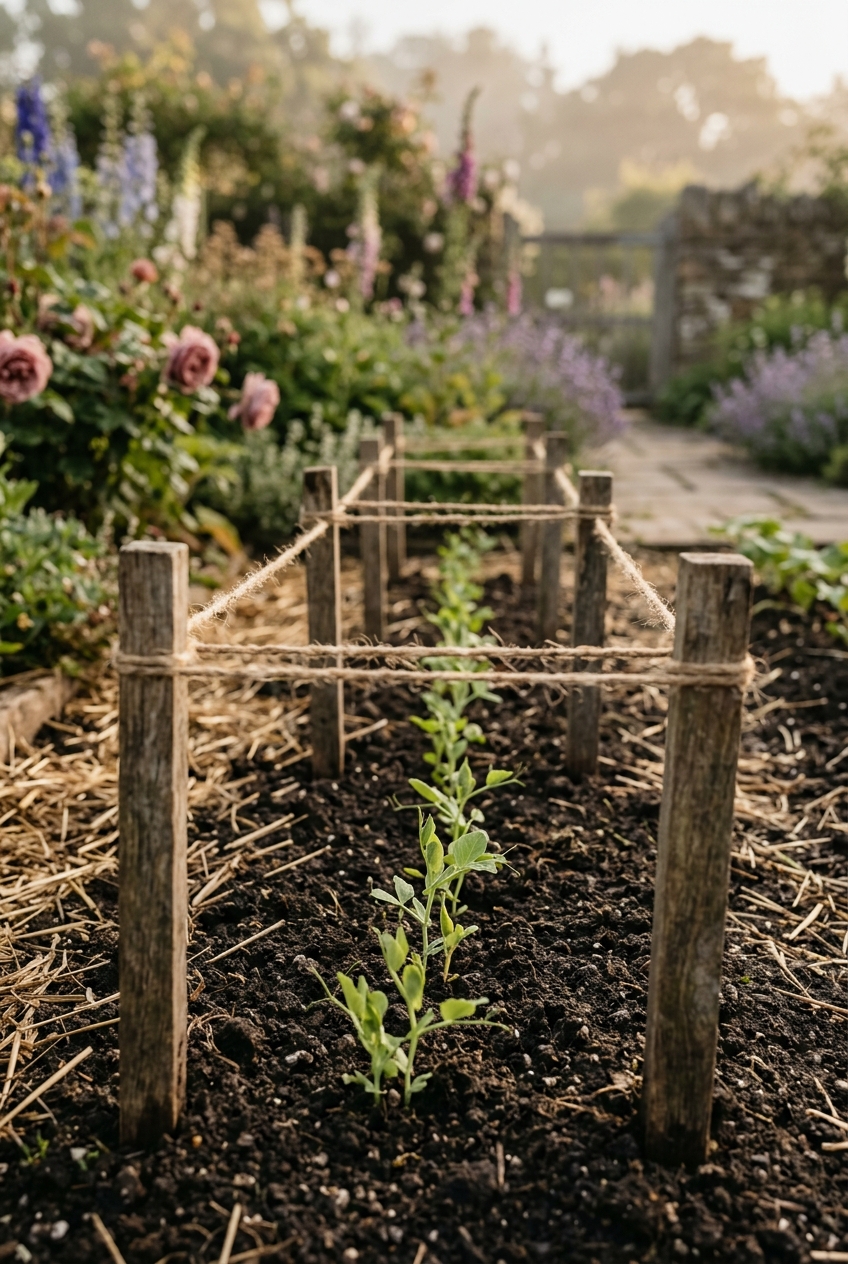
Step 3: Mark rows with garden twine stretched between stakes. Space rows 18-24 inches apart for easy weeding access.
Step 4: Sow seeds according to depth in the table above. Surface-sown seeds (larkspur, poppies, snapdragons, stock, clarkia, ammi) need light to germinate. Press them into soil but don’t cover.
Step 5: Water gently with a hose set to shower or mist. Avoid blasting seeds out of place. Keep soil moist but not soggy until germination.
Step 6: Thin seedlings to final spacing once they have two sets of true leaves. Use scissors to snip unwanted seedlings at soil level. Pulling disturbs roots.
Quick Tip: Soak sweet pea seeds in water for 12 hours before planting. Scarify the seed coat with sandpaper if you want faster germination. I skip this step and still get 80% germination in 10 days.
What to Watch For
Damping off. Seedlings collapse at soil line in overly wet conditions. Space seeds properly for airflow. Water in morning so foliage dries by evening.
Slow germination. Larkspur and bells of Ireland can take 3-4 weeks. Mark rows clearly so you don’t accidentally disturb them while weeding.
Late frost. All 12 flowers tolerate light frost (28-32°F). Hard freeze below 25°F will damage seedlings. Cover rows with row cover or old bedsheets if temperatures drop below 28°F after germination.
From my experience: I planted bachelor’s buttons on March 10 in zone 6b for three years running. They germinated in 8 days every time and survived a 26°F freeze in early April with no cover. Larkspur is slower but just as tough once it’s up.
Support for Tall Varieties
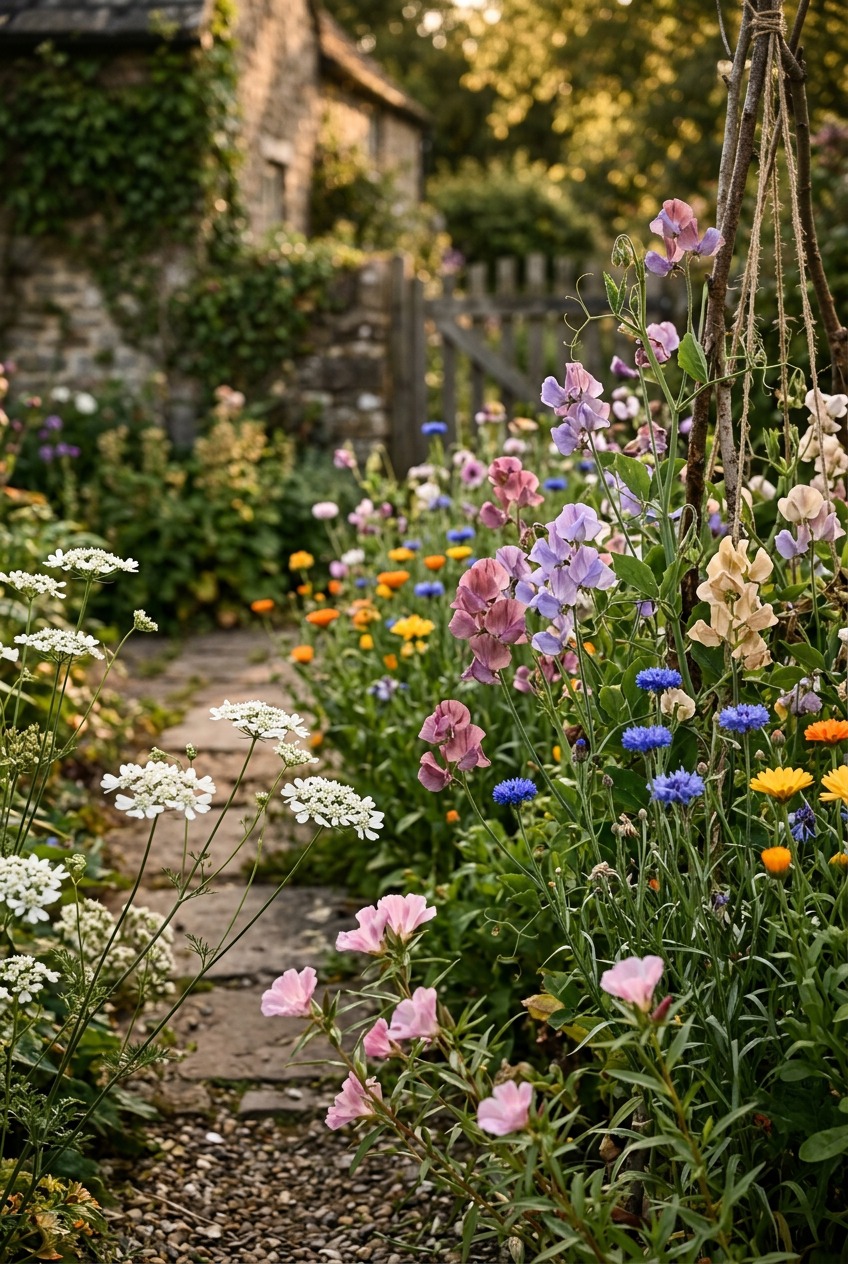
Sweet peas, larkspur, and bells of Ireland need support. Install it at planting time, not after seedlings are established.
For sweet peas: Hammer 6-foot stakes every 3 feet along the row. Run garden twine horizontally every 12 inches up the stakes. Seedlings will climb the twine as they grow.
For larkspur and bells of Ireland: Use tomato cages or a single stake per plant. Tie stems loosely with soft twine as they reach 18 inches tall.
Stock and snapdragons grow 18-36 inches tall depending on variety. They don’t need support in most gardens but appreciate a single stake in windy locations.
Make It Your Own
Zone 5: Wait until late March or early April. Soil warms slower. Focus on the fastest germinators first (bachelor’s buttons, calendula, clarkia).
Zone 8-9: Plant in late February or early March. Your bloom window is shorter before heat shuts down cool-season flowers. Prioritize sweet peas and stock.
Shade gardens: Reduce the list to love-in-a-mist, clarkia, and calendula. These three tolerate part shade (4-6 hours of sun). The rest need full sun.
Cut flower production: Double your seed quantities and sow in blocks instead of rows. Space plants at the tighter end of the range in the table. This produces more stems per square foot.
Succession planting: Sow a second round of bachelor’s buttons, calendula, and love-in-a-mist two weeks after the first. This extends bloom time into July.
Before You Start
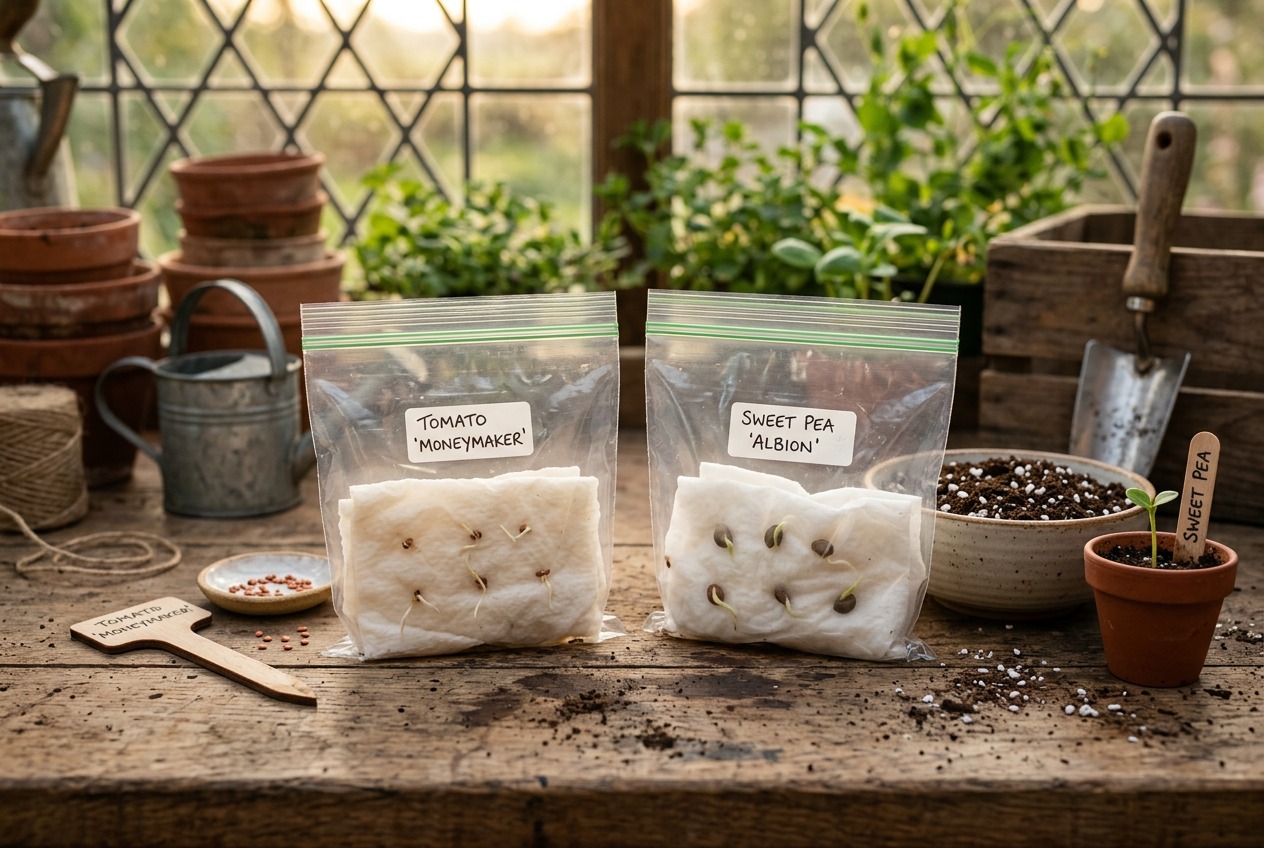
Seed viability matters. Test germination before you sow an entire bed. Place 10 seeds on a damp paper towel in a plastic bag. Check after the germination window listed in the table. If fewer than 7 germinate, buy fresh seed.
Soil prep is non-negotiable. Compacted soil causes poor germination and weak roots. If you can’t push a garden fork into the bed with one foot of pressure, your soil is too hard.
These are annuals. None of these 12 flowers will overwinter and return next spring in zones 5-8. They will self-sow if you let seed heads mature on the plant in late summer. I let bachelor’s buttons and love-in-a-mist go to seed every year. They pop up in the same bed the following March without any effort from me.
FAQ
Can I start these indoors instead of direct sowing?
Only snapdragons, stock, and bells of Ireland transplant reliably. The rest (especially sweet peas, poppies, larkspur, and love-in-a-mist) have taproots that resent disturbance. Direct sow those four in the ground. You’ll get better germination and stronger plants than trying to transplant them.
What if my soil is still frozen in March?
Wait. You can’t plant in frozen ground. Check soil temperature daily once daytime highs reach 50°F consistently. In zone 5, this often means waiting until the first or second week of April. You’ll still get blooms by late June.
Do I need to fertilize March-sown flowers?
Not if you added compost at planting time. These cottage flowers grow in lean soil. Over-fertilizing produces floppy stems and fewer blooms. If your soil is pure sand or clay with no organic matter, side-dress with compost once seedlings are 4 inches tall.
How much water do seedlings need after germination?
Water when the top inch of soil feels dry to the touch. In cool March weather, this is usually every 3-4 days. Once plants are 6 inches tall and temperatures warm up in April, increase to every 2-3 days. Mulch around plants with straw or shredded leaves to retain moisture.
Can I plant these in containers?
Bachelor’s buttons, calendula, love-in-a-mist, and clarkia work in containers at least 12 inches deep. Sweet peas need 18-inch depth for their taproots. Poppies and larkspur perform poorly in pots. Their roots need more space than containers provide.