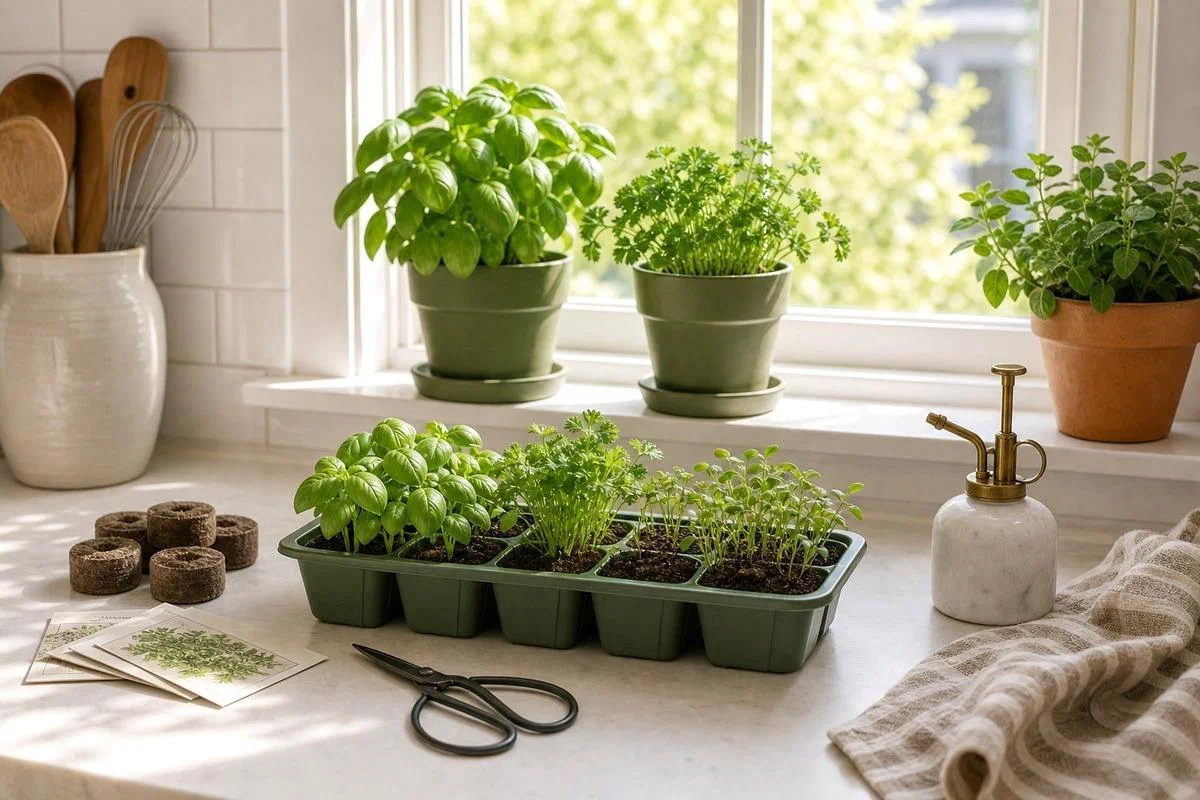
A windowsill herb garden looks simple until six packets, loose soil, and unmarked pots cover the counter. A manageable kit solves those little setup decisions, but the best choice depends on the light you have and how many herbs you will truly water.
These six Walmart herb starter kits and supplies are alternatives, not one cart. Choose one kit for the first sowing. Refill pellets and a reusable tray make sense only after seed starting becomes a routine.
The links go straight to Walmart and are not affiliate links. The dated evidence file preserves the earlier product check; confirm the current listing and availability before buying. The University of Minnesota Extension recommends checking whether an indoor growing spot has enough light and notes that supplemental light may be needed . Its guides to growing herbs and starting seeds indoors are better references for plant care than the front of a kit box.
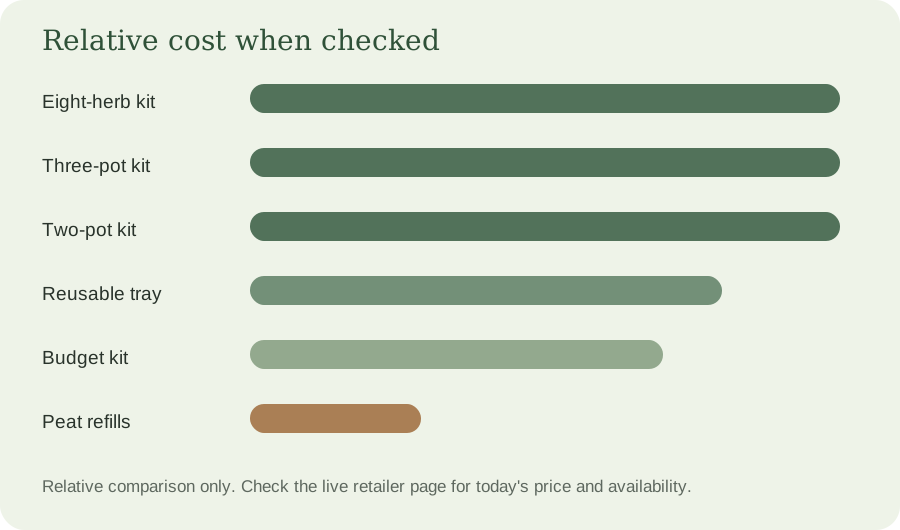
How the six Walmart herb starter kits compare
| Pick | Best for | What to confirm |
|---|---|---|
| Ten-herb starter kit | Trying several herbs in one bundle | Pot count, seed varieties, and included growing medium |
| Eight-herb deluxe kit | A wider variety | Windowsill space and realistic watering capacity |
| Three-pot kitchen kit | A smaller first round | Which herbs are included in the current listing |
| Two-pot small-space kit | A narrow sill | Container depth and drainage instructions |
| Peat pellet refills | Repeating a successful sowing | Tray compatibility and storage space |
| Reusable seed-starting tray | A continuing seed routine | Cell size, drainage, and where seedlings will be transplanted |
1. A budget kit with several herb seeds
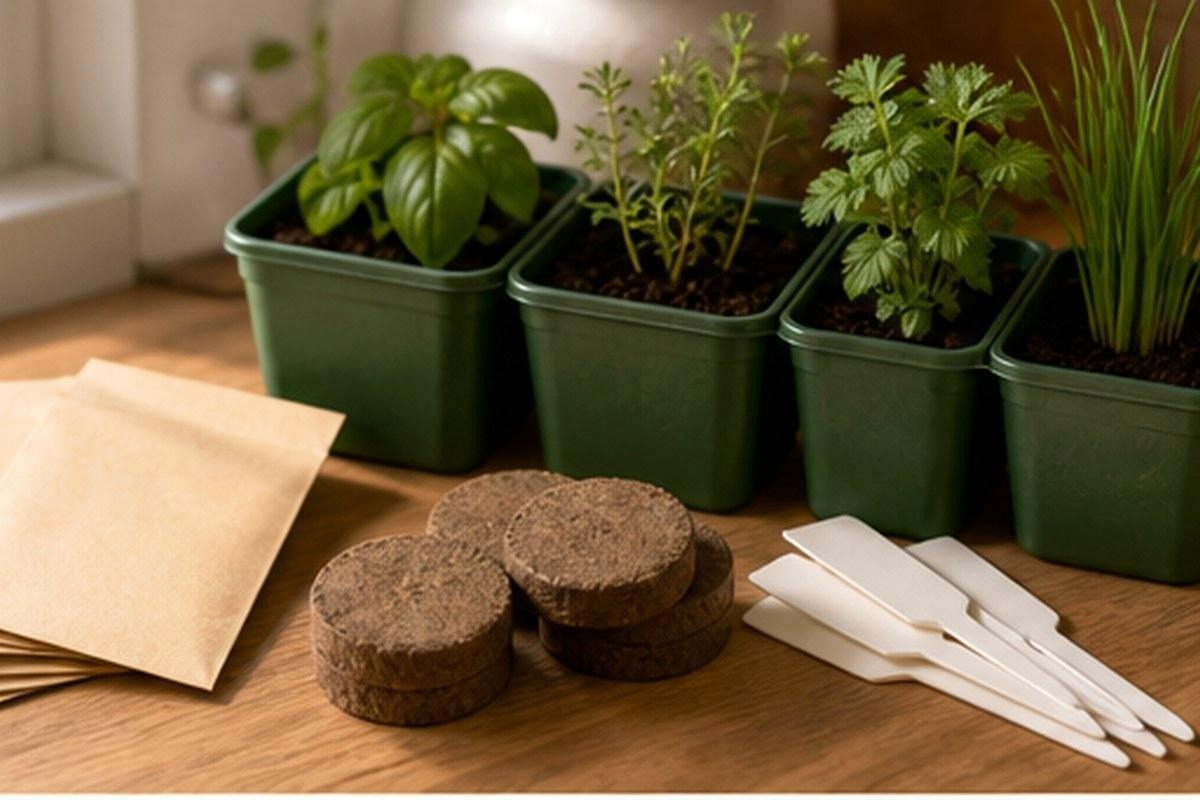
The ten-herb starter kit is the broad budget option I would compare first. It bundles the basic pieces, but ten varieties can become ten watering decisions. Sow only the herbs you have room to grow on after germination.
Best for: someone who wants to sample several herbs and does not mind labeling every pot.
2. An eight-herb kit for a bigger variety
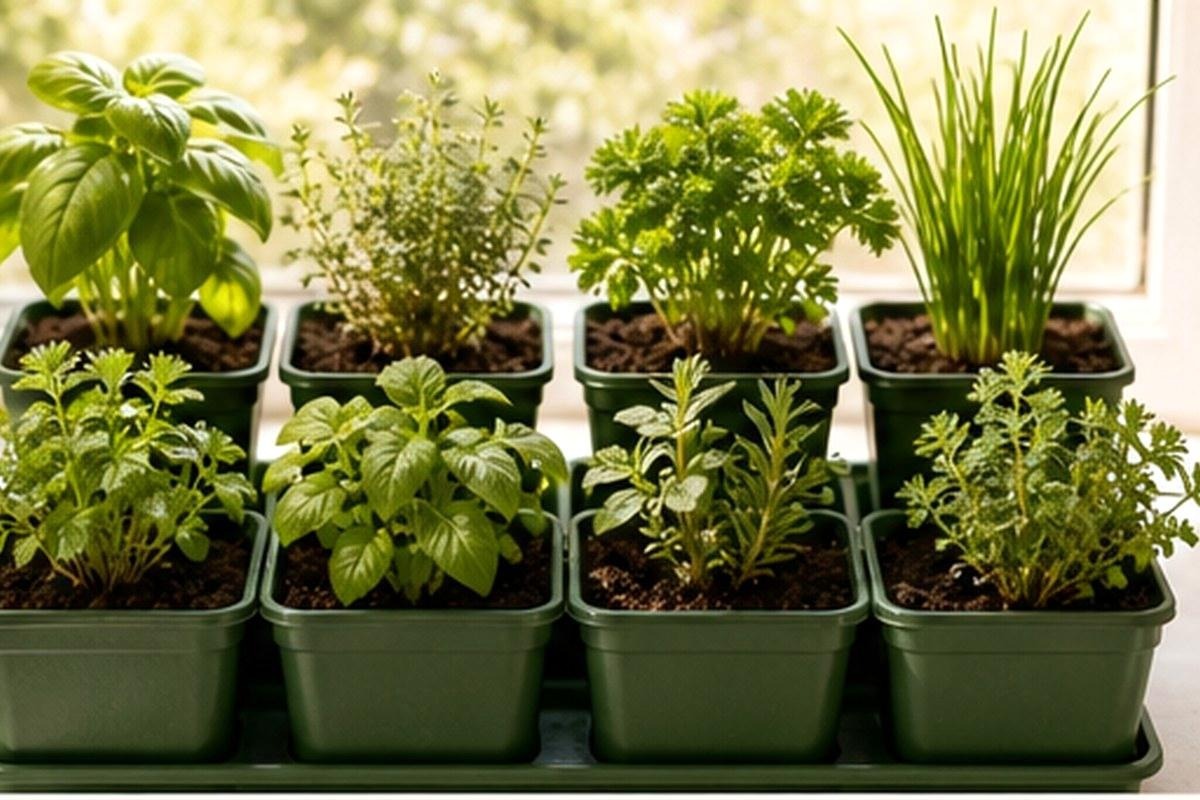
The eight-variety deluxe herb kit gives you choices, but variety is useful only if the plants receive similar care. Start three or four pots first and keep the remaining seed dry until you know which herbs suit the window.
Skip it if: the sill cannot hold the mature pots without crowding the glass or blocking the sink area.
3. A three-pot kitchen herb kit
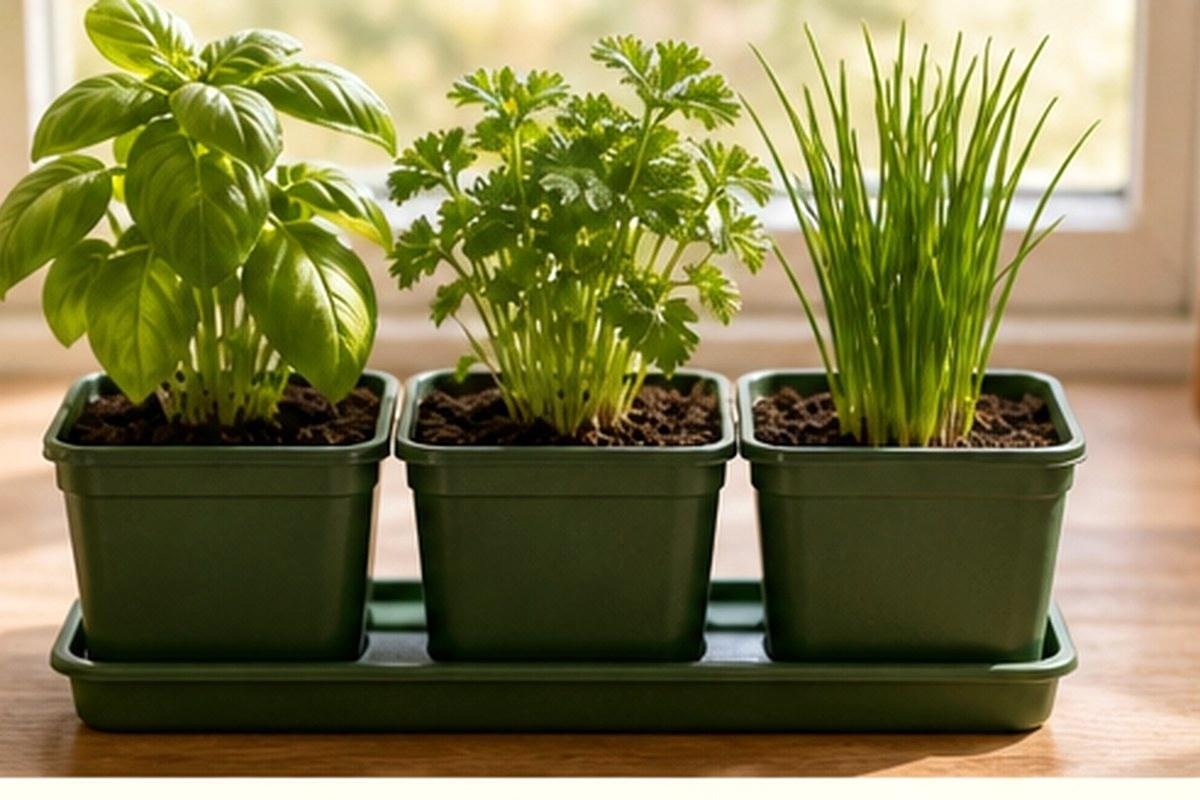
The Back To The Roots three-pack is easier to watch than a large seed tray. Three pots leave room to rotate the plants and notice which side stretches toward the light.
Check before buying: read the current listing for the included herbs and whether the containers have drainage or a separate saucer.
4. A two-pot kit for a narrow windowsill
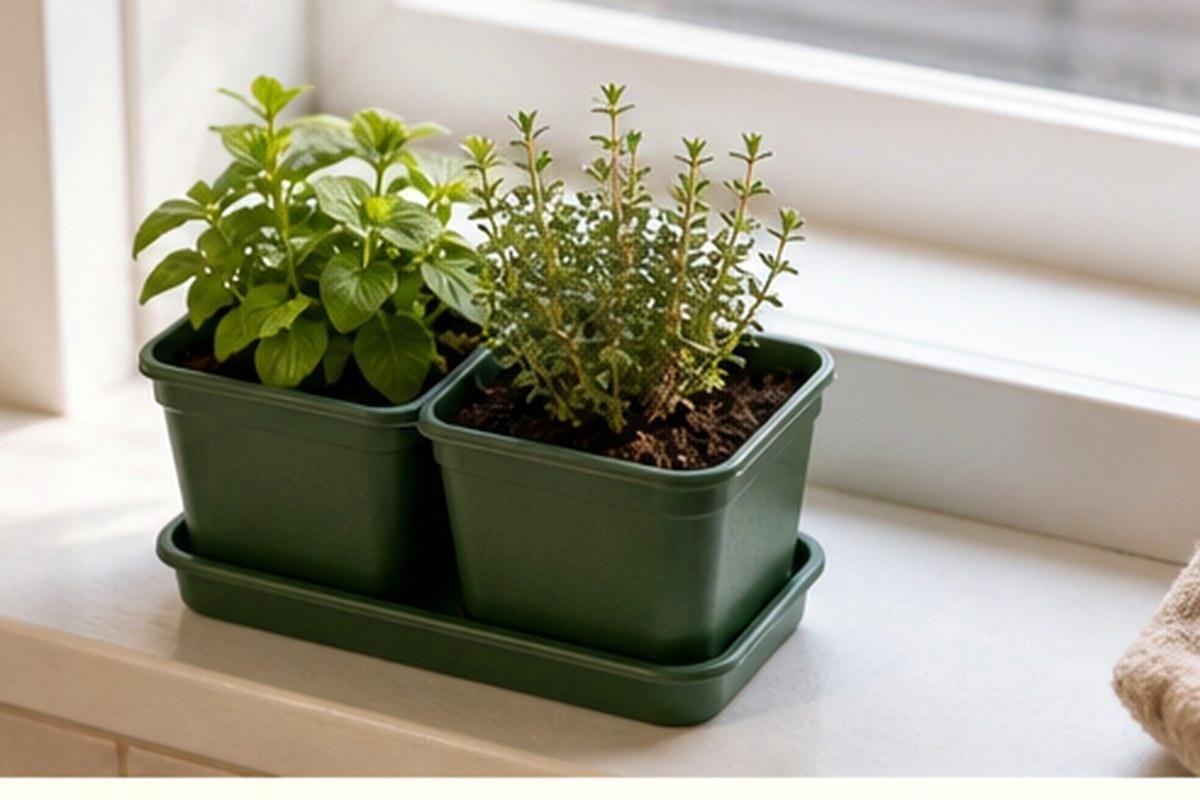
The Modern Sprout two-pack is the tiny-space choice. Two herbs are easier to turn, water, and move when the sill needs cleaning.
Best for: a first attempt where learning the light and watering rhythm matters more than growing many varieties.
5. Peat pellets for a repeat sowing
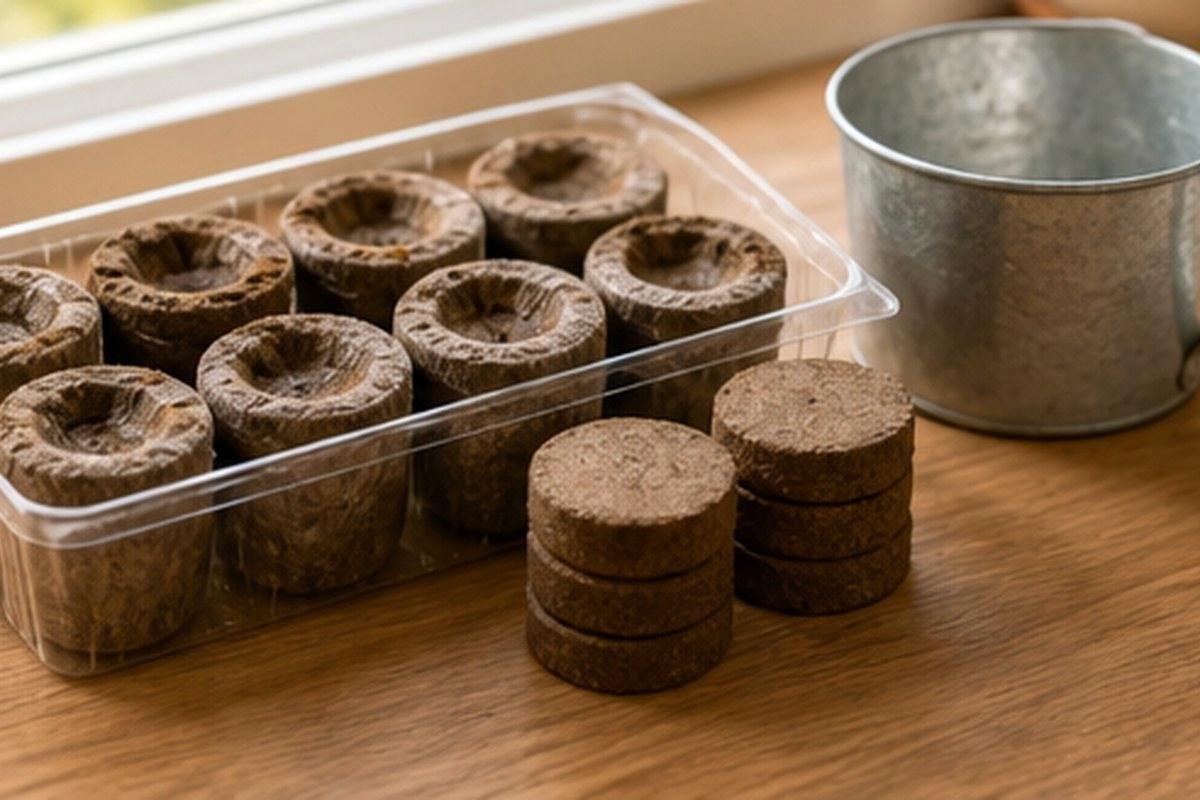
The Jiffy peat pellet refills are supplies, not a complete windowsill setup. They make sense when you already own a compatible tray and know where the seedlings will go next.
Skip them if: the first kit is still unopened or there is no plan for potting up the seedlings.
6. A reusable seed-starting tray for an ongoing routine
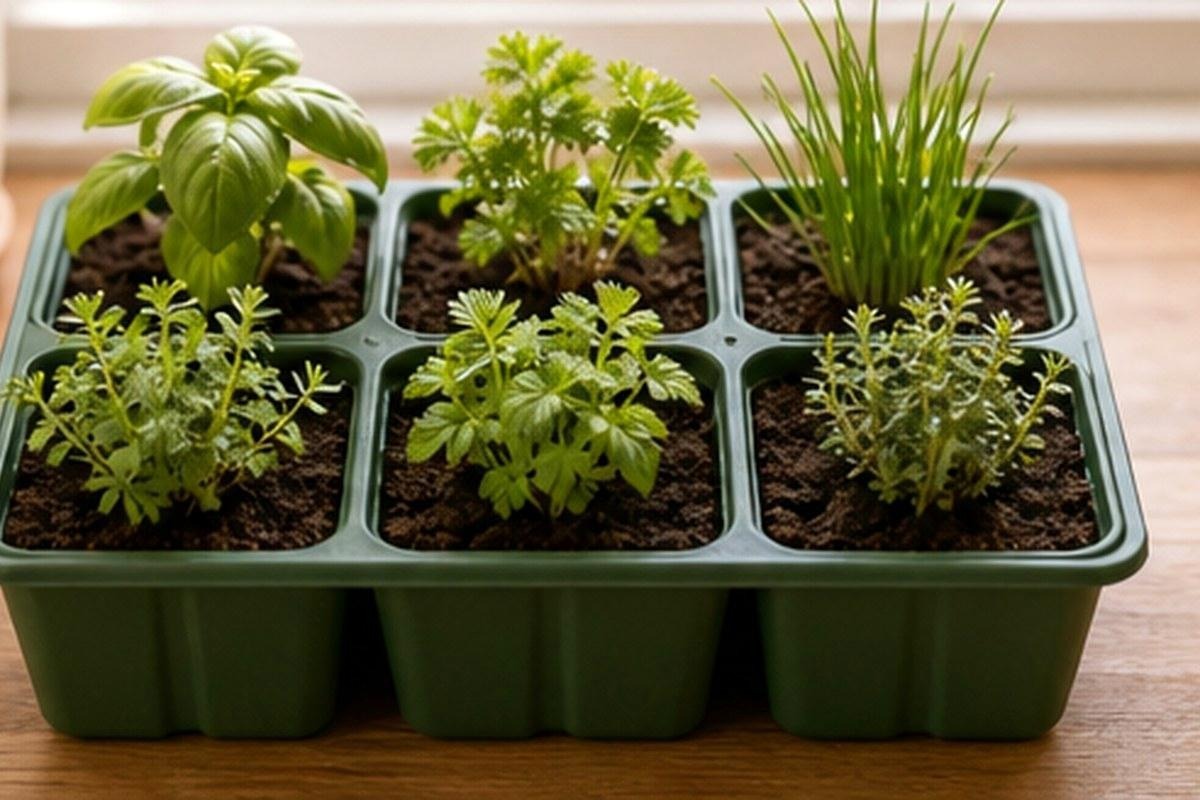
The Epic Gardening reusable tray set suits someone who plans to sow more than one round. Reuse is valuable only when the tray is washed, dried, stored, and brought back out.
Check before buying: decide where the tray will sit during germination and where every successful seedling will move afterward.
Start windowsill herbs in six steps
- Watch the window for a full day and note direct sun, bright indirect light, and late shadows.
- Choose one small kit that fits the available sill or counter space.
- Label every pot before sowing the herb seeds.
- Follow the packet depth and moisture directions instead of treating every seed alike.
- Turn containers regularly if seedlings lean toward the glass.
- Pot up or thin seedlings before roots and leaves become crowded.
Problems to catch early
- Seedlings stretching because the light is too weak.
- Pots sitting in water without a drainage plan.
- Condensation encouraging the growing medium to stay overly wet.
- Ten varieties germinating with nowhere to transplant them.
- Unlabeled pots making care and harvest timing guesswork.
A simple weekly herb routine
- Lift each pot before watering and compare its weight with the previous day.
- Turn the pots so growth stays even.
- Wipe the sill and empty standing water from saucers.
- Remove dead leaves and check stems for pests.
- Note which herb you actually cook with before sowing another round.
Related reading for the sunny kitchen window
- Companion planting herbs guide helps you decide which herbs may share outdoor space later.
- Container vegetable gardening for small spaces shows where successful seedlings can move when the sill fills up.
- The baggie method for starting seeds offers a low-space germination alternative before you buy a larger tray.