

I kept a grocery receipt log for a full year before I started growing food. Not because I planned to. I just wanted to know where the money went.
Turns out, a shocking amount went to things I could grow in 20 square feet of raised bed and a few containers on the porch.
Here are the 12 things I stopped buying, what each one actually costs to grow, and whether the savings hold up once you factor in time, failures, and startup costs.
1. Fresh Herbs (Basil, Cilantro, Parsley, Dill)
Store cost: $2.50 to $4.00 per pack. I was buying herbs two to three times a week in summer. That added up to roughly $300 per year.
What I do instead: Grow from seed in containers and raised beds. One $3 seed packet of basil produces more than I can use from June through October. Cilantro bolts fast, so I succession-sow every three weeks.
First-year cost: About $15 for seeds, a bag of potting mix, and a few 10-inch pots.
Ongoing cost: $5 to $8 per year for new seed packets.
Time investment: 10 minutes per week for watering and harvesting.
Annual savings: ~$280
Honest take: This is the single best return on effort in the entire garden. If you grow nothing else, grow herbs.
2. Salad Greens
Store cost: $4 to $6 per clamshell of mixed greens. At two containers per week, that runs about $400 to $500 annually.
What I do instead: Grow loose-leaf lettuce, arugula, and spinach in a 4x4 raised bed. Cut-and-come-again harvesting means one planting gives six to eight weeks of salads. I do three plantings per year: early spring, fall, and a winter cold frame round.
First-year cost: $40 for a basic raised bed kit, soil, and seeds. If you already have a bed, it is under $10.
Ongoing cost: $8 to $12 per year for seeds and compost top-dressing.
Time investment: 20 minutes per week for watering, thinning, and harvesting.
Annual savings: ~$350
Honest take: Greens grow fast and they taste noticeably better than store-bought. The plastic clamshells going into the recycling bin bothered me almost as much as the price.
3. Tomatoes
Store cost: Grocery store tomatoes run $2 to $4 per pound. Heirloom or vine-ripened types at the farmers market go for $5 to $6 per pound. I was spending about $150 per summer on tomatoes.
What I do instead: Grow four to six indeterminate varieties (Cherokee Purple, Sun Gold cherry, San Marzano for sauce). Each plant produces 10 to 15 pounds in a good year.
First-year cost: $25 for transplants, cages, and soil amendments. Starting from seed drops the plant cost to about $5 total.
Ongoing cost: $10 to $15 per year.
Time investment: 30 minutes per week during the season for watering, pruning suckers, and staking.
Annual savings: ~$120
Honest take: The savings are decent, but the real win is flavor. A Cherokee Purple picked warm off the vine is a different food entirely from a January grocery store tomato. You will never go back.
4. Green Onions (Scallions)
Store cost: $1 to $2 per bunch, and they go slimy in the fridge within days. I bought them weekly. About $75 per year.
What I do instead: Plant a clump of perennial bunching onions (Evergreen Hardy White). They come back every spring, divide easily, and produce from April through November in Zone 6.
First-year cost: $5 for one seed packet or a $4 bundle of starts.
Ongoing cost: $0. They are perennial.
Time investment: Almost nothing. Harvest what you need, leave the rest.
Annual savings: ~$70
Honest take: This is the laziest win in the garden. Plant once, harvest for years. No excuses not to do this one.
5. Hot Peppers and Jalapeños
Store cost: $3 to $5 per pound, depending on variety. About $50 per year for our household.
What I do instead: Grow three to four pepper plants in containers. One jalapeño plant produces 25 to 50 peppers per season. I dry the extras and grind them into chili flakes.
First-year cost: $12 for transplants and potting mix.
Ongoing cost: $5 per year if starting from seed.
Time investment: 15 minutes per week. Peppers are low maintenance once established.
Annual savings: ~$40
Honest take: Moderate savings, but the variety you get access to makes it worthwhile. Grocery stores carry maybe three pepper types. A seed catalog has hundreds.
6. Zucchini and Summer Squash
Store cost: $1.50 to $3 per pound. About $40 to $60 per summer.
What I do instead: Grow two plants. That is all you need. Seriously, do not plant more than two unless you want to become the person leaving zucchini on your neighbors’ porches at night.
First-year cost: $6 for seeds and a little compost.
Ongoing cost: $3 per year.
Time investment: 15 minutes per week. Harvest every two days once they start producing, or you will end up with baseball bats.
Annual savings: ~$45
Honest take: Two zucchini plants will produce 20 to 40 pounds of squash. The problem is not growing enough. The problem is growing too much.
7. Fresh Cut Flowers
Store cost: A $10 grocery store bouquet once a week adds up to $520 per year. Even at twice a month, you are looking at $240.
What I do instead: Grow zinnias, cosmos, sunflowers, and dahlias. Zinnias and cosmos are direct-sow annuals that bloom from July until frost. The more you cut, the more they bloom.
First-year cost: $20 for seeds and a few dahlia tubers.
Ongoing cost: $10 to $15 per year. Dahlia tubers multiply, so you dig and store them each fall.
Time investment: 20 minutes per week for cutting and deadheading.
Annual savings: ~$200 (if you were buying biweekly bouquets)
Honest take: Cut flowers are not food, but they make the house feel good and the savings are real. Zinnias are the gateway. One $3 packet fills a 4x8 bed and produces armloads of blooms.
8. Dried Herbs (Oregano, Thyme, Rosemary)
Store cost: $4 to $7 per jar at the grocery store. I used to replace three to four jars per year. About $20 to $28 annually.
What I do instead: Grow perennial herbs in one dedicated bed. Oregano, thyme, and rosemary are all perennials in Zone 5 and above (rosemary needs Zone 7+ outdoors, or bring it inside in a pot). Harvest in midsummer, hang dry in bundles, and strip into jars.
First-year cost: $15 for plants.
Ongoing cost: $0. Perennials come back.
Time investment: One afternoon per year for the big harvest and drying session.
Annual savings: ~$25
Honest take: Small dollar amount, but the quality difference is massive. Home-dried oregano smells and tastes like a completely different herb from that dusty jar you have had in the cabinet for two years.
9. Garlic
Store cost: $0.50 to $1 per head for conventional. $2 to $3 for hardneck varieties at the farmers market. About $40 per year.
What I do instead: Plant hardneck garlic cloves in October. Each clove becomes a full head by the following July. One pound of seed garlic (about $12) produces seven to eight pounds of cured garlic.
First-year cost: $12 for seed garlic.
Ongoing cost: $0 after the first year if you save your biggest heads for replanting.
Time investment: One hour to plant in fall. One hour to harvest and cure in summer. Minimal attention in between.
Annual savings: ~$35
Honest take: Garlic practically grows itself. Plant it, mulch it, forget about it for eight months. The flavor of fresh hardneck garlic is worth it even without the savings.
10. Tea (Chamomile and Mint)
Store cost: A box of 20 chamomile tea bags runs $4 to $6. Mint tea is similar. If you drink herbal tea regularly, $30 to $50 per year is normal.
What I do instead: Grow chamomile (an annual that self-seeds freely) and mint (a perennial that spreads aggressively, so plant it in a container). Dry the flowers and leaves, store in jars.
First-year cost: $8 for seeds and a container for the mint.
Ongoing cost: $0. Both come back on their own.
Time investment: 10 minutes per week of harvesting during the season, plus one drying session.
Annual savings: ~$35
Honest take: Homegrown chamomile tea tastes like flowers, not like the inside of a paper bag. Mint will try to take over your yard if you let it. Container. Always a container.
The Two That Were NOT Worth It
Not everything saves money. Two things I tried growing and went back to buying.
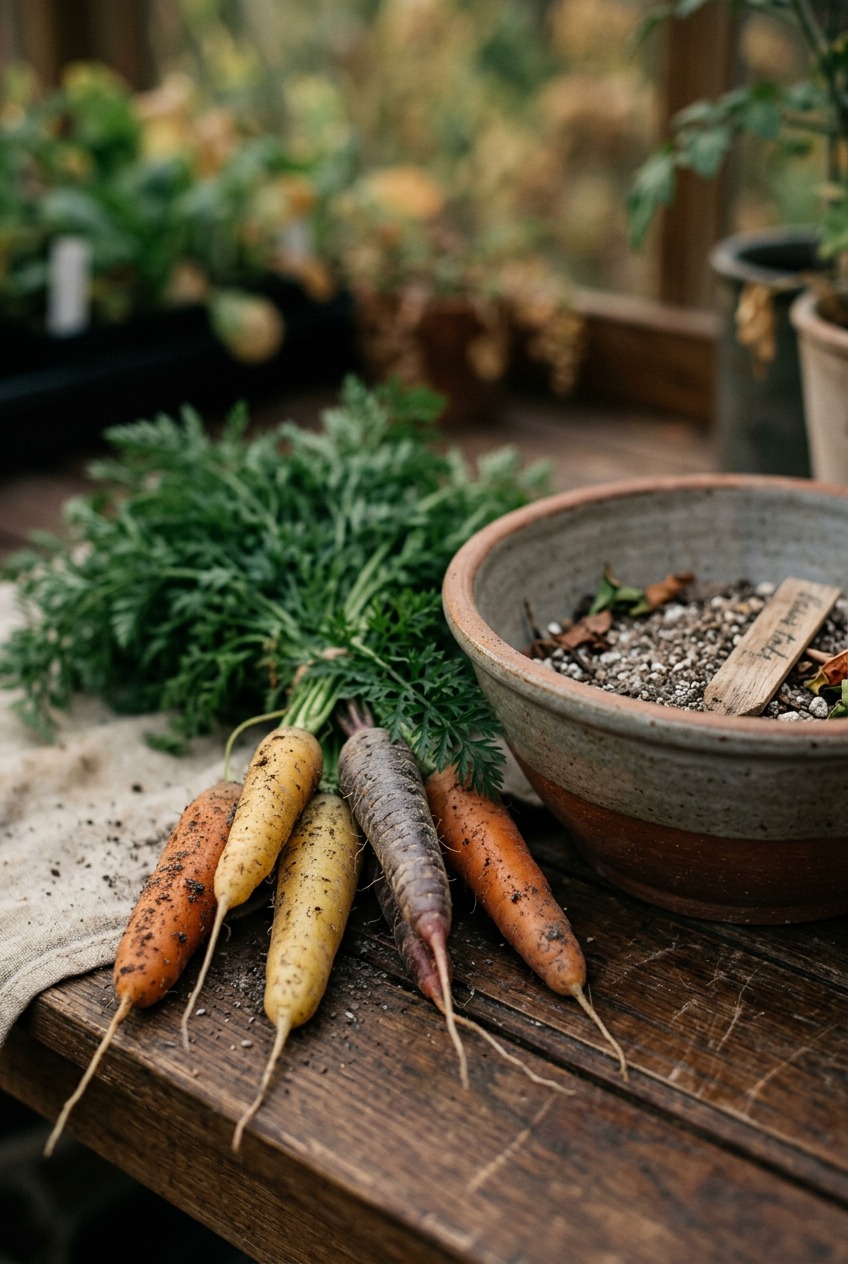
Carrots: They need deep, rock-free, sandy soil. My clay-heavy garden produced stubby, forked little things. The time I spent prepping a special bed was not justified by $15 in carrot savings. If you have sandy loam, go for it. If you have clay, skip it.
Onions (full-size bulb onions): They take up a lot of space for a long time (100+ days), and a 5-pound bag of yellow onions costs $3. The math does not work unless you really love a specific variety you cannot find in stores.
Total Annual Savings
| Item | Annual Savings |
|---|---|
| Fresh herbs | $280 |
| Salad greens | $350 |
| Tomatoes | $120 |
| Green onions | $70 |
| Hot peppers | $40 |
| Zucchini | $45 |
| Cut flowers | $200 |
| Dried herbs | $25 |
| Garlic | $35 |
| Herbal tea | $35 |
| Total | ~$1,200 |
First-year startup costs (raised beds, soil, seeds, pots, cages) run about $100 to $150 if you are starting from scratch. By year two, ongoing costs drop to $30 to $50 for seeds, compost, and replacement potting mix.
Realistic net savings in year one: $900 to $1,000. Year two and beyond: $1,100+.
Where to Start If This Feels Like a Lot
Pick three items from this list. I would suggest fresh herbs, salad greens, and green onions. Total startup cost is under $25. Total weekly time is about 30 minutes. You will save roughly $700 in your first year from those three alone.
Start small. Get those wins. Add more next year if you want to.
The grocery store is not going anywhere. But you might find yourself walking past the herb section without stopping. And that feels pretty good.