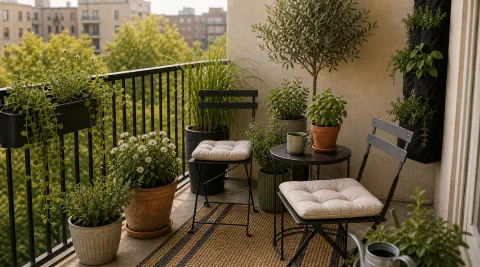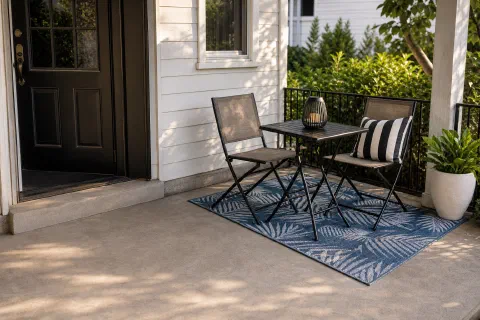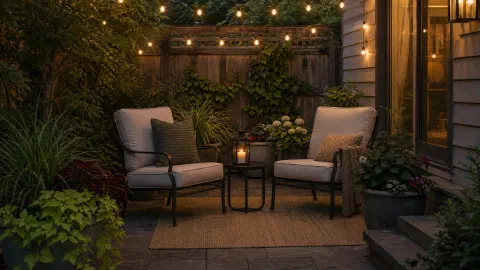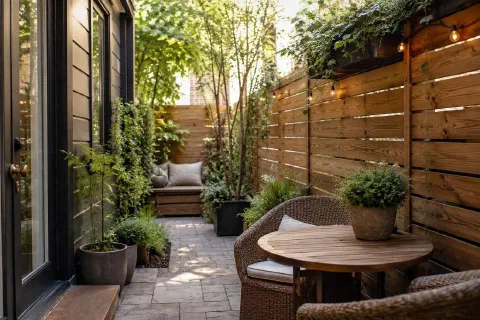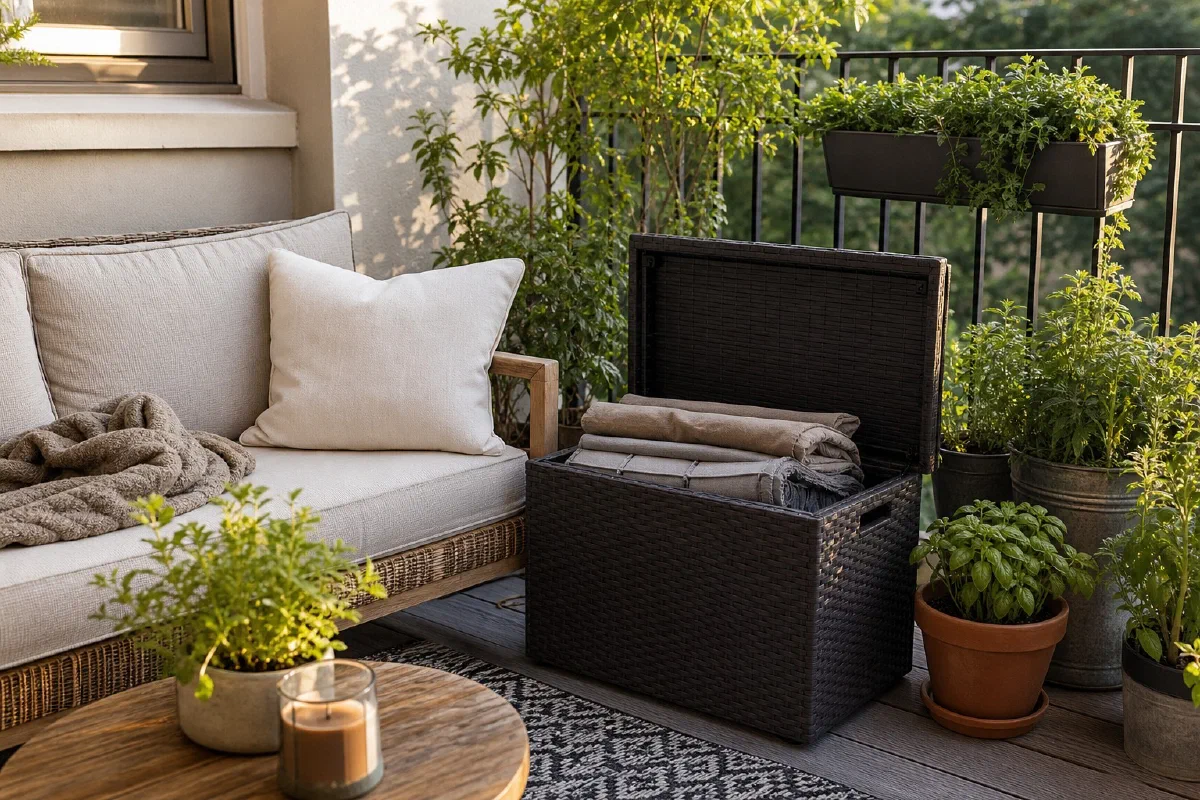
A small patio starts feeling unusable long before it is actually out of room. The chairs become cushion storage. The side table holds garden gloves. A bag of potting mix sits by the door because there is nowhere else for it to go.
That kind of clutter makes the patio feel smaller than its measurements. Before buying another plant stand or a full furniture set, give the space one real storage zone.
A deck box works best on a small patio when it has one clear job: hold the things that keep stealing the seating area. Pick a size that fits cushions and tools without blocking the walking path, then place it beside the chair zone or along the least-used wall.
The Clutter That Makes a Small Patio Feel Smaller
Most small patios do not fail because of one big mess. They fail because every little outdoor thing needs a temporary home.
Seat cushions come inside when it rains, then stay stacked by the door. Citronella candles move from the table to the floor. Hand tools, plant food, kid toys, and an outdoor blanket all drift into the same few square feet.
The first fix is not decor. It is deciding which things deserve to live outside and where they go when nobody is using them.
If your patio is also fighting tight furniture, use the storage reset with small patio ideas when you barely have room so the layout and the clutter problem get solved together.
Why a Deck Box Works Better Than Another Shelf
Shelves can look nice, but they still show everything. A deck box hides the awkward things: cushion bags, hose sprayers, bug spray, extra pot saucers, and the stack of items you do not want on display.
It also gives the patio a reset button. When the day is over, the loose pieces go back into one place instead of being carried through the house.
For a small patio, choose a deck box that can do more than store things. A flat-topped box can sit beside a chair like a side table. A bench-style box can hold cushions and offer temporary seating. A lower box can slide under a window or railing without blocking the view.
How to Choose Between Resin, Wood, and Metal
The material decides how the box ages, how heavy it is to move, and how much maintenance it asks for.
| Material | Weight when empty | Weather behavior | The look | Watch for |
|---|---|---|---|---|
| Resin | Lightest | No finish needed, will not rot | Reads as plastic up close | Fades in strong sun over several seasons |
| Wood | Heaviest | Needs re-sealing every year or two | Ages into the patio rather than sitting on it | Holds dampness against whatever is inside |
| Metal | Medium | Paint chips and rust shows at hinges and the base | Reads like furniture | Gets hot to the touch in direct sun |
- Resin is the practical default on a balcony. It is the easiest to drag out of the way when you are rearranging, and it never needs a coat of anything.
- Wood earns its weight if the box is going to be visible as furniture rather than tucked against a wall. It needs a re-seal to stay that way.
- Metal looks the most like a real side table and weighs less than wood, but it is the one to keep out of full afternoon sun.
On a small patio, weight matters more than it sounds. A box you can move on your own is a box you will actually reposition when the seating layout changes.
What Size Storage Box Actually Fits a Tight Patio
The right deck box is usually smaller than the one that looks tempting online.
Start by measuring the things you truly need to store. Cushions are the biggest driver. If the box only needs to hold two chair cushions, a small 50 to 70 gallon box may be enough. If it needs to hold deep sofa cushions or several outdoor pillows, measure the cushion stack first.
Then tape the box footprint on the patio floor. Leave space for the door swing, chair legs, and a walking path. If the taped shape makes you turn sideways to sit down, the box is too large.
On balconies and narrow patios, depth matters more than width. A long shallow box along a wall often works better than a deep cube that eats the center of the space.
What to Store Outside and What to Keep Indoors
A deck box should make the patio easier, not become a damp junk drawer.
Good deck box items include outdoor cushions, washable pillows, clean pot saucers, small hand tools, clipped plant ties, an outdoor tablecloth, lanterns, and citronella candles in sealed containers.
Be careful with paper goods, fabric that is not meant for outdoor humidity, battery packs, extension cords, and anything that could be ruined by heat or moisture. Even weather-resistant boxes can sweat inside during hot weather.
If you garden in containers, pair this with container garden ideas for small patios so the storage box supports the plants instead of competing with them.
Where to Place the Box So It Feels Like Furniture
The box should support the way you use the patio. Put it near the seating if it holds cushions. Put it near the planting corner if it holds tools. Put it by the grill only if it stores grill-safe accessories and does not create a heat hazard.
Avoid placing it as the first thing people see when they step outside. If possible, tuck it along a wall, under a railing, or beside the largest chair so it reads like part of the furniture plan.
On a porch, a deck box can also help with the entry clutter that gathers around cushions and shoes. If that is your problem, porch cushions, old chairs, and the stuff that makes an entry feel used is a useful companion.
The Small Details That Keep It From Looking Like a Plastic Bin
Choose a finish that already appears somewhere nearby: black metal, warm brown wicker, muted gray resin, or a wood tone that works with the door and chairs.
Then style the top lightly. A tray, a small lantern, or one potted herb can make the box feel like part of the patio. Do not cover it with decor that has to be removed every time you open it.
If the patio still feels unfinished after the storage is handled, add one grounded detail from a weekend patio refresh you can do with what you already own .
Cleaning and Winter Care for a Deck Box
A deck box that goes into winter damp comes out in spring smelling like a basement. The whole job takes about twenty minutes.
- Empty it completely, including the things you forgot were in the bottom. Cushion bags, half-used plant food, and the spare hose washer all come out.
- Prop the lid open for a full day so the inside dries. A closed lid over a damp interior is how mildew starts, since EPA’s guide to mold and moisture notes that mold won’t grow without water or moisture.
- Wash the inside with mild soap and water, then wipe it dry rather than letting it air-dry in the shade.
- Look at the lid after the next rain. A lid that has sagged or dented holds a puddle, and a puddle on a plastic cover is exactly the sort of site EPA’s mosquito guidance lists among the places some species lay eggs.
- Wipe the lid lip or gasket so it seats again. Most boxes that start letting water in are seating badly, not cracked.
- Bring the cushions and anything fabric indoors for the cold months, and leave the box itself slightly open so moisture can escape through freeze-thaw cycles.
A 20-Minute Patio Reset Plan
Start by taking everything off the chairs and floor. Sort it into four piles: belongs outside, belongs inside, trash, and not sure.
Wipe the deck box before loading it. Put the things used most often toward the top. Keep anything damp out until it is dry. Then reset the seating area with only what you would want to see if you stepped outside with coffee.
The final test is simple: can someone sit down without moving a pile first? If yes, the patio is already more usable.
For a finished small-space setup, keep going with tiny patio outdoor room ideas with two chairs and lighting or budget patio ideas that do not look cheap .
What I’d Buy First
- A 50- to 75-gallon deck box for cushions, candles, and small tools.
- A bench-style storage box if seating is also tight.
- A weather-resistant resin box for the lowest-maintenance option.
- Small bins inside the box so it does not become a black hole.
What to Read Next
- Small backyard patio ideas on a budget if the storage fix is step one of a longer patio plan.
- Cozy patio ideas for small spaces for layouts that keep a walking path clear once the box is in place.
- Tiny patio outdoor room ideas when two chairs and a small table is the whole footprint you have.
- A weekend patio refresh for the finishing details once the clutter has somewhere to live.