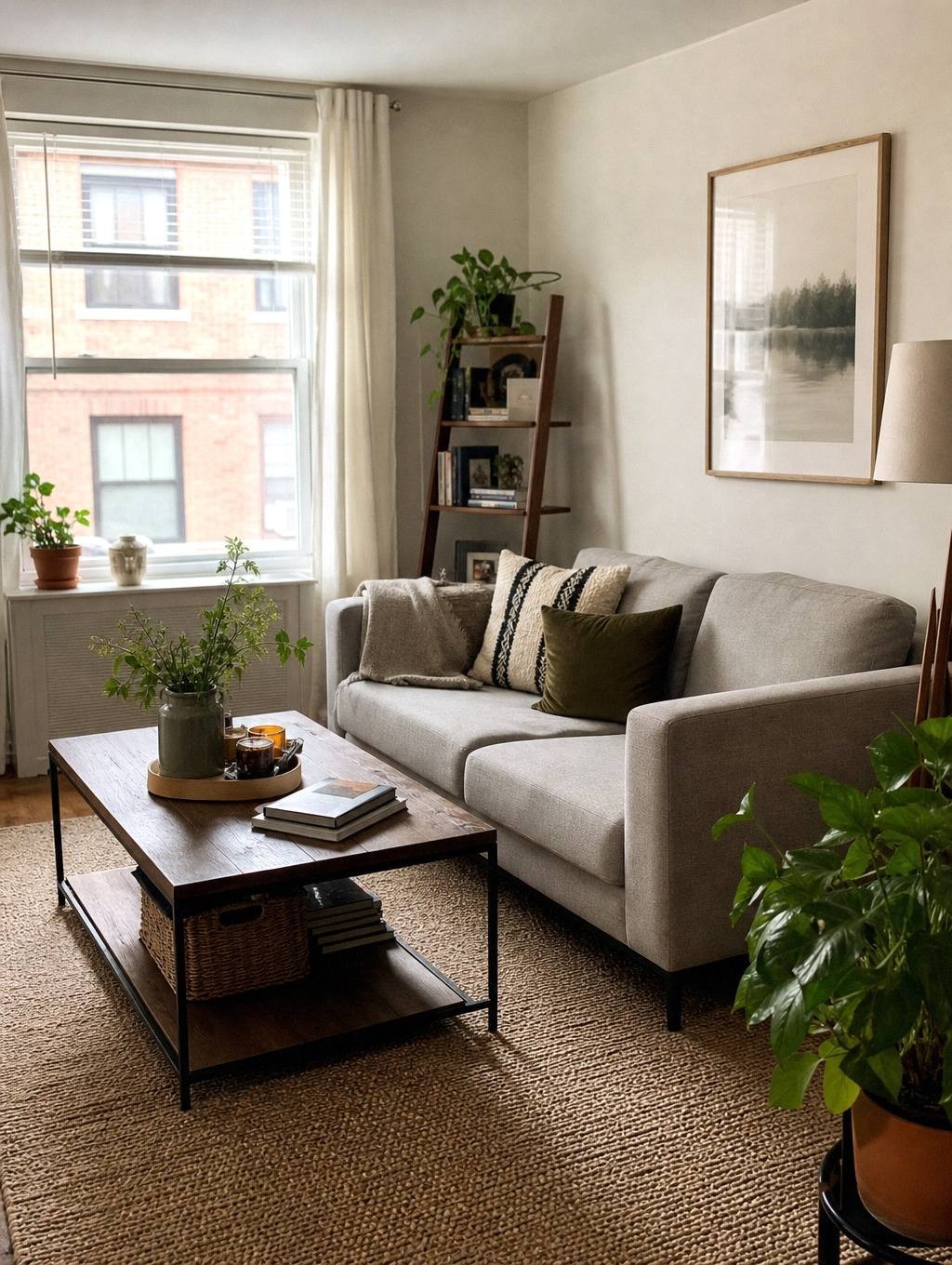
A small apartment living room can feel settled without turning your lease into a list of risks. Start with the furniture footprint, then add the renter-friendly wall and lighting choices that make the room easier to use. The best pieces can move to your next apartment, and the best layout leaves a clear path for laundry, guests, and the front door.
Before you buy: renter constraints and move-out evidence
Read the lease before you paint, drill, or stick anything to a wall. Photograph walls, baseboards, flooring, and existing marks as soon as you move in, and keep the original files with the move-in date. The U.S. Consumer Product Safety Commission’s Anchor It guidance says top-heavy furniture should be secured according to the manufacturer’s directions. That matters in a rental too: a freestanding bookcase is not a damage-free solution if it can tip.
The U.S. Fire Administration recommends showing doors and windows on a home escape plan and keeping them unblocked in its home fire escape guidance . Keep the front door, windows used for escape, heaters, and vents accessible when you place a sofa, shelf, mirror, or curtain.
Use this renter-friendly wall hanging checklist before you order anything:
- Check the lease and ask for written permission for paint, shelving, or anchors.
- Photograph the wall surface and test an adhesive in a hidden spot.
- Weigh the frame or mirror, then compare it with the exact product’s package limit.
- Keep the instructions, spare paint information, and move-in photos in one folder.
Choose furniture scale before color
Measure the room, doorway, elevator, and stair turns before shopping. A loveseat or apartment sofa often leaves more passage space than a full sofa, but the room’s actual width decides the fit. Mark each footprint with painter’s tape and include the depth of the arms, not only the listed width.
| Piece | Measure first | Small-room choice |
|---|---|---|
| Sofa or loveseat | width, depth, arm height | the smallest seat that still works for the people using it |
| Coffee table | width, depth, corner clearance | a nesting pair or side table when the center path feels tight |
| Storage ottoman | footprint and lid clearance | a firm top that can hold feet, a tray, or one extra seat |
| Bookshelf | width, depth, and anti-tip method | a narrow freestanding unit that does not narrow the entry route |
| Area rug | full seating footprint | large enough for the front legs of the seating, not a floating mat |
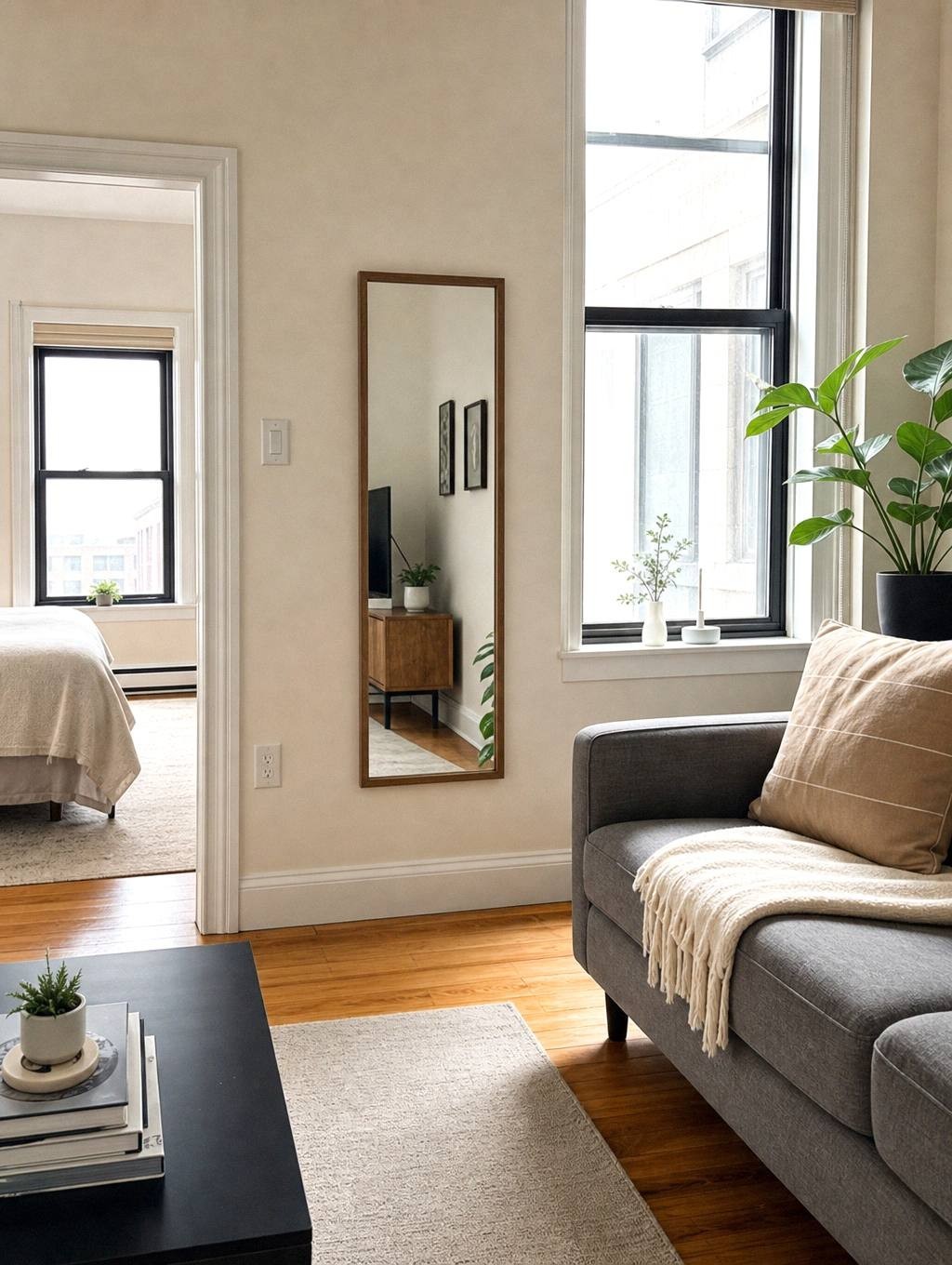
In a narrow room, skip the coffee table and use a side table that can move when you need the floor. A storage ottoman earns its footprint when it holds blankets and books and doubles as a seat. Leave enough room to open the sofa bed, cabinet, or window without moving three other pieces.
For another small-home layout, compare the studio apartment floor layout plans before you place a sofa back-to-back with a bed or kitchen.
Build layered lighting at three useful heights
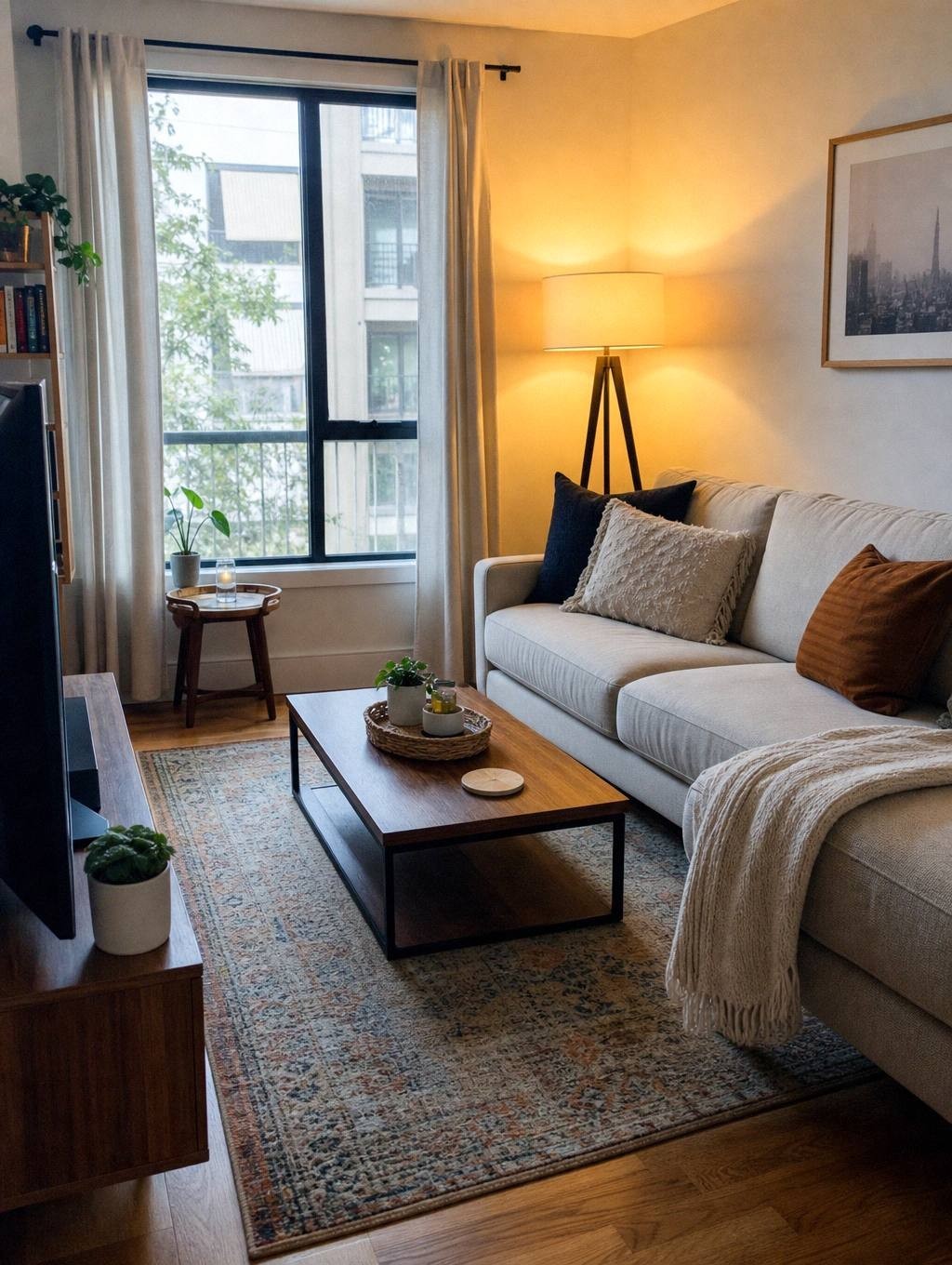
One ceiling fixture makes a small living room look flatter than it needs to. Use a floor lamp in the darker corner, a table lamp at seating height, and the overhead light only when you need broad task light. The result is three smaller pools of light instead of one bright spot in the middle.
Warm white is a useful starting point for a living room. ENERGY STAR’s lighting guide identifies 2700K as soft white and warm white, while higher Kelvin numbers look cooler. Check the bulb label and keep the fixtures in the same room close in color temperature so cream walls and wood do not shift from yellow to blue as you move around.
Plug-in sconces can free the floor beside a sofa, but check the lease and the mounting instructions. A lamp on a narrow shelf may be the safer choice when the wall is textured or the cord would cross the main path.
Use renter-friendly wall hanging with the exact weight limit
The phrase renter-friendly wall hanging does not mean every adhesive works on every wall. Command’s official weight-limit guide lists large picture hanging strips at up to 4 pounds per set. Its FAQ says to follow the package instructions, press firmly, wait the listed time, and stay within the product’s limit. The package for the product in your hand is the authority, not a generic number copied from another strip.
| Wall change | Best use | Main caution |
|---|---|---|
| Adhesive picture hanging strips | light frames and small art | smooth, clean surfaces and the exact package weight limit |
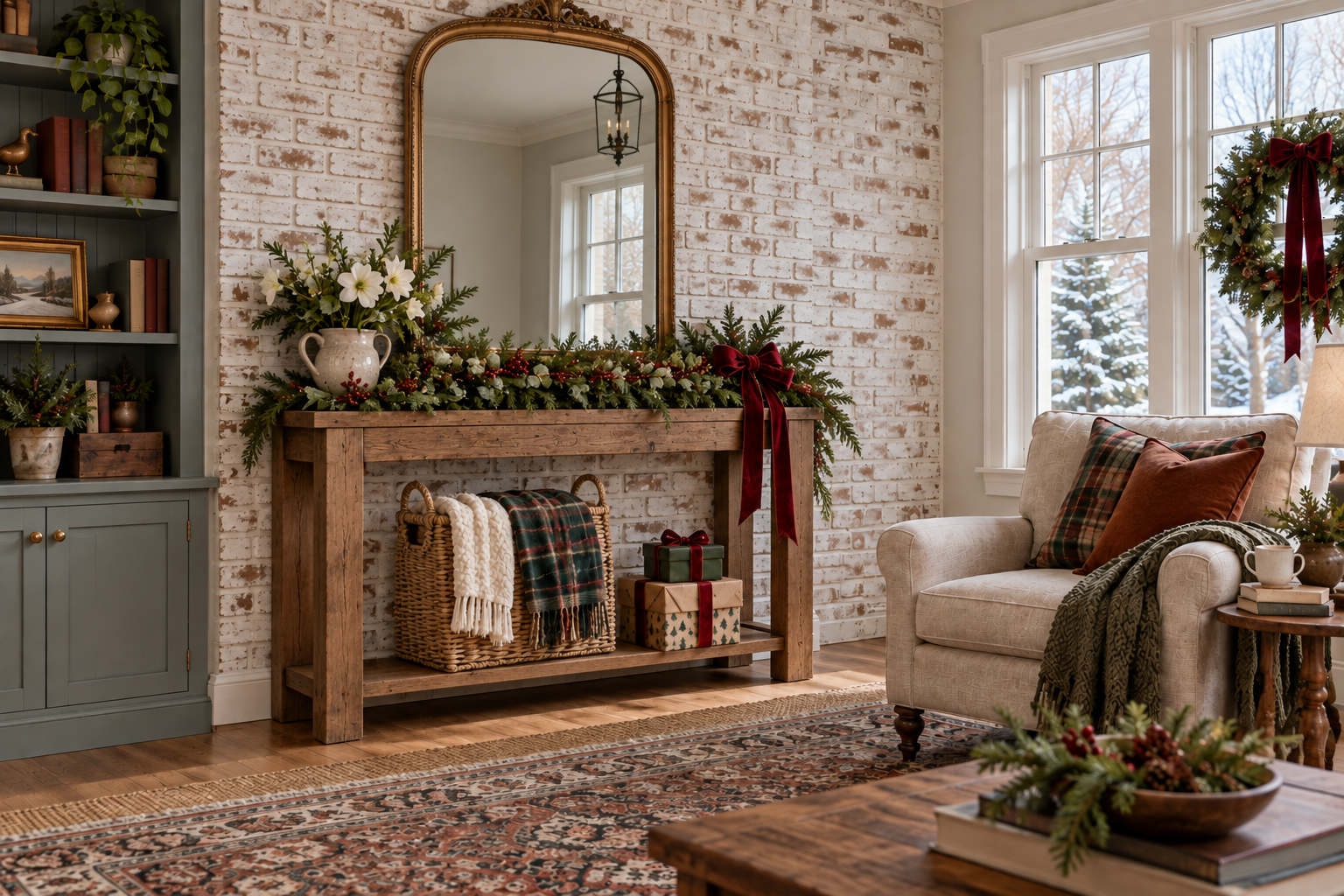
| Leaning mirror or art | larger pieces | secure the base so it cannot slide into the walkway |
| Tension rod | lightweight fabric at a window or alcove | use only across a span the rod is rated to hold |
| Freestanding shelf | books, baskets, and plants | anchor tall units when the manufacturer requires it |
For a gallery wall, use fewer, lighter frames with a shared line or frame color. The gallery-wall guide can handle the arrangement while this page handles the rental limits.
Add one removable wall treatment, then wait
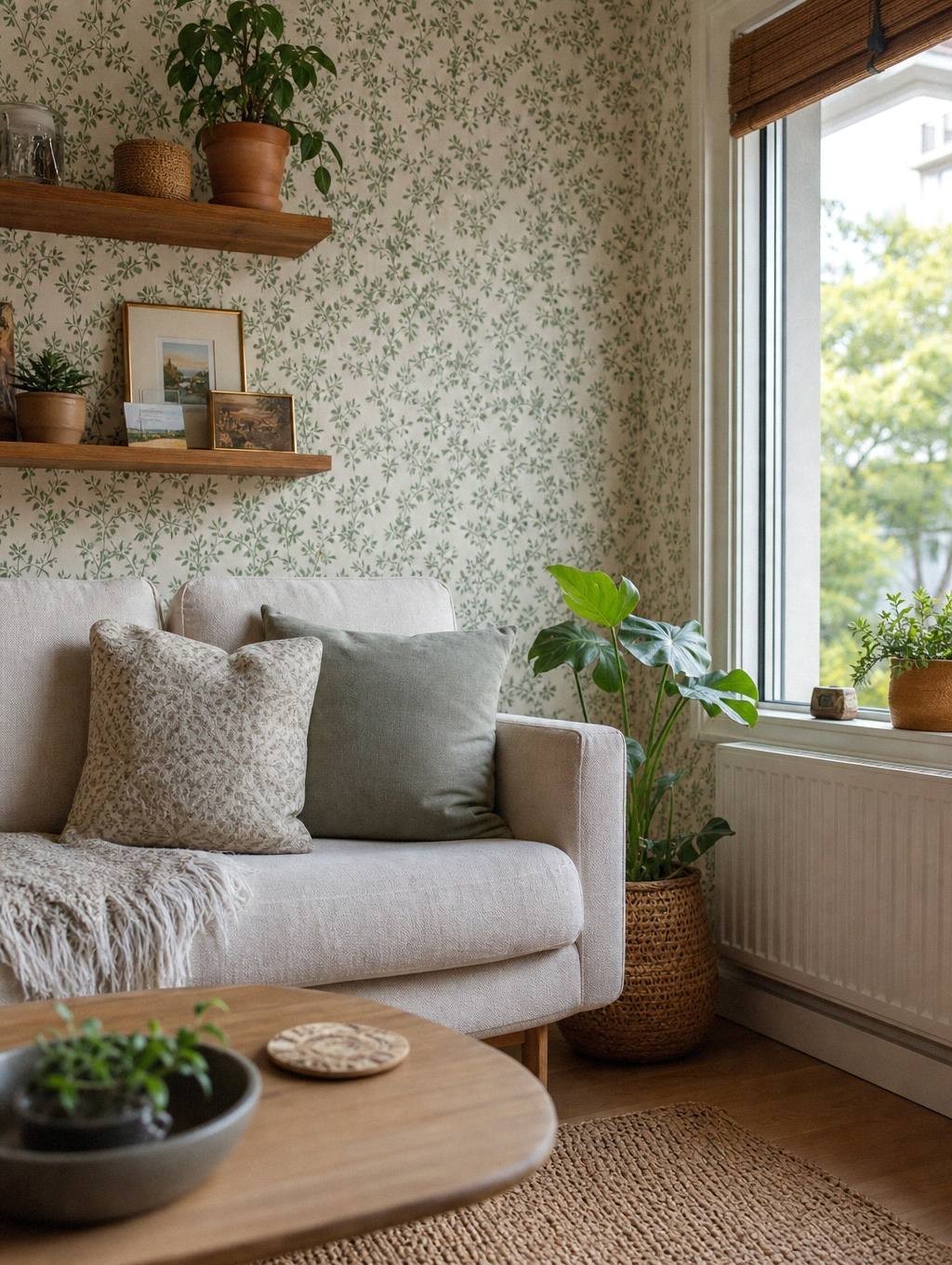
Peel-and-stick wallpaper and decals can add pattern without paint, but their removal depends on the wall surface, paint, age, humidity, and product. Order a sample. Test it in a closet or behind furniture for a week, then remove it slowly according to the manufacturer’s instructions. Do not treat a successful test on one wall as a guarantee for every wall in the apartment.
If the test pulls paint, use art, textiles, or a leaning mirror instead. A painted accent wall is worth asking about only when the landlord gives written permission and you have the original color recorded.
Set up the floor and the room zones
An area rug can make the seating zone readable even when the living room shares space with a kitchen or bed. Place the front legs of the sofa and chairs on the rug when the room allows. On a hard floor, use a rug pad that fits the rug so it does not slide. On carpet, test the rug’s edge during a normal walk before adding a pad that may create a hump.
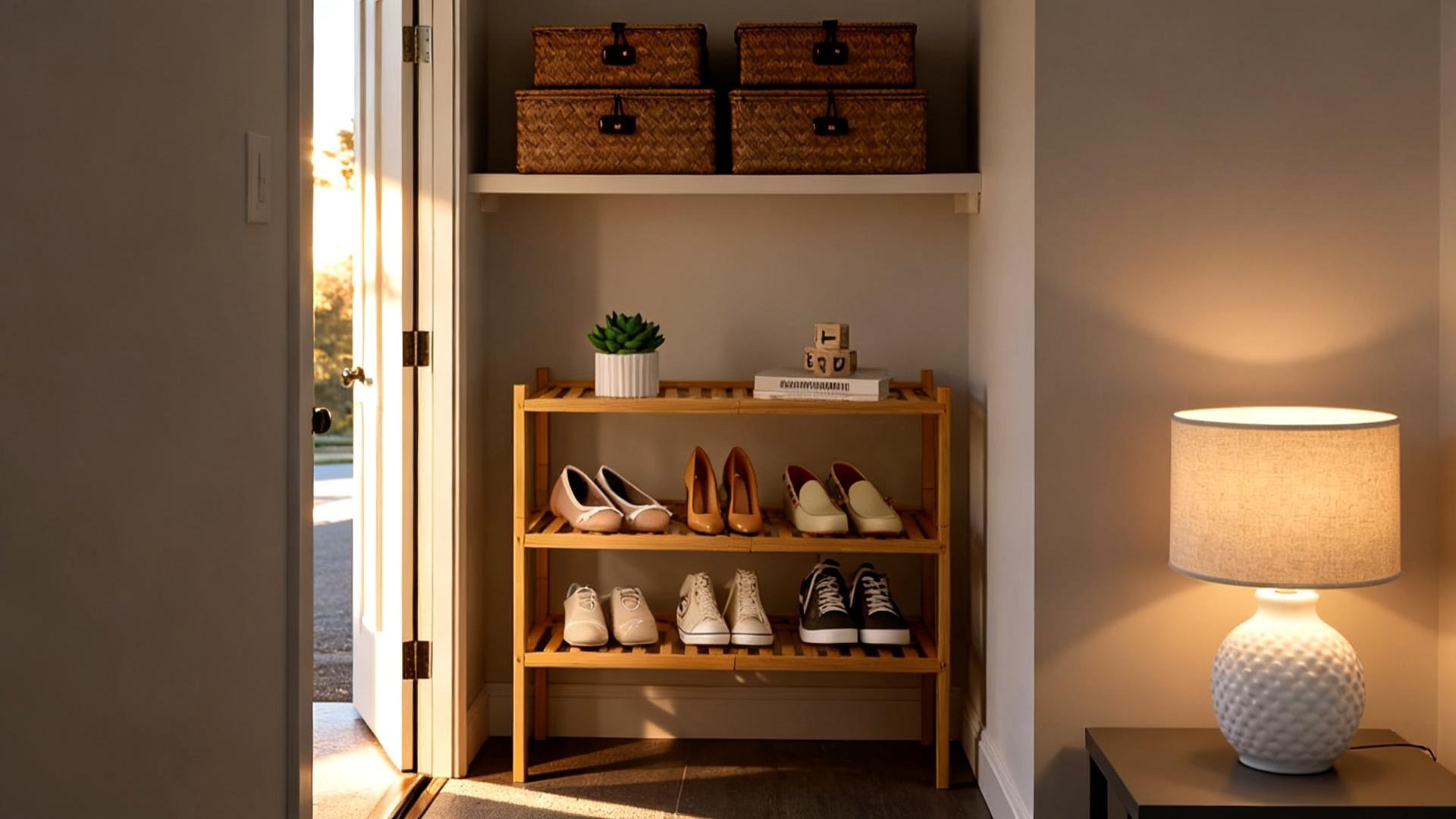
Use the sofa back, an open shelf, or a tall plant to mark the living room edge. Keep the divider low or open when it would block daylight. A small entryway plan can help when shoes and bags are the things shrinking the living room’s usable floor.
Carry earthy texture instead of extra furniture
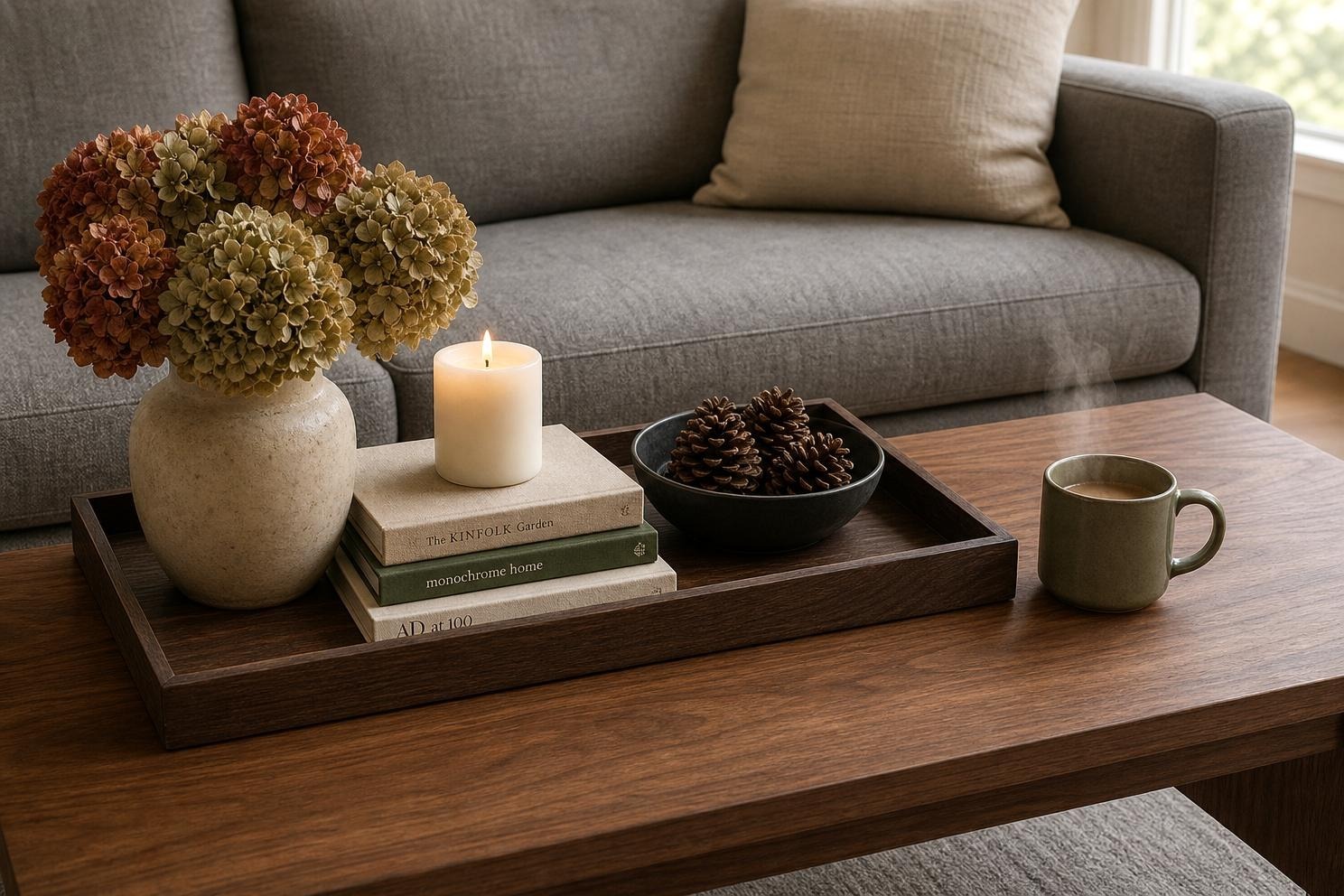
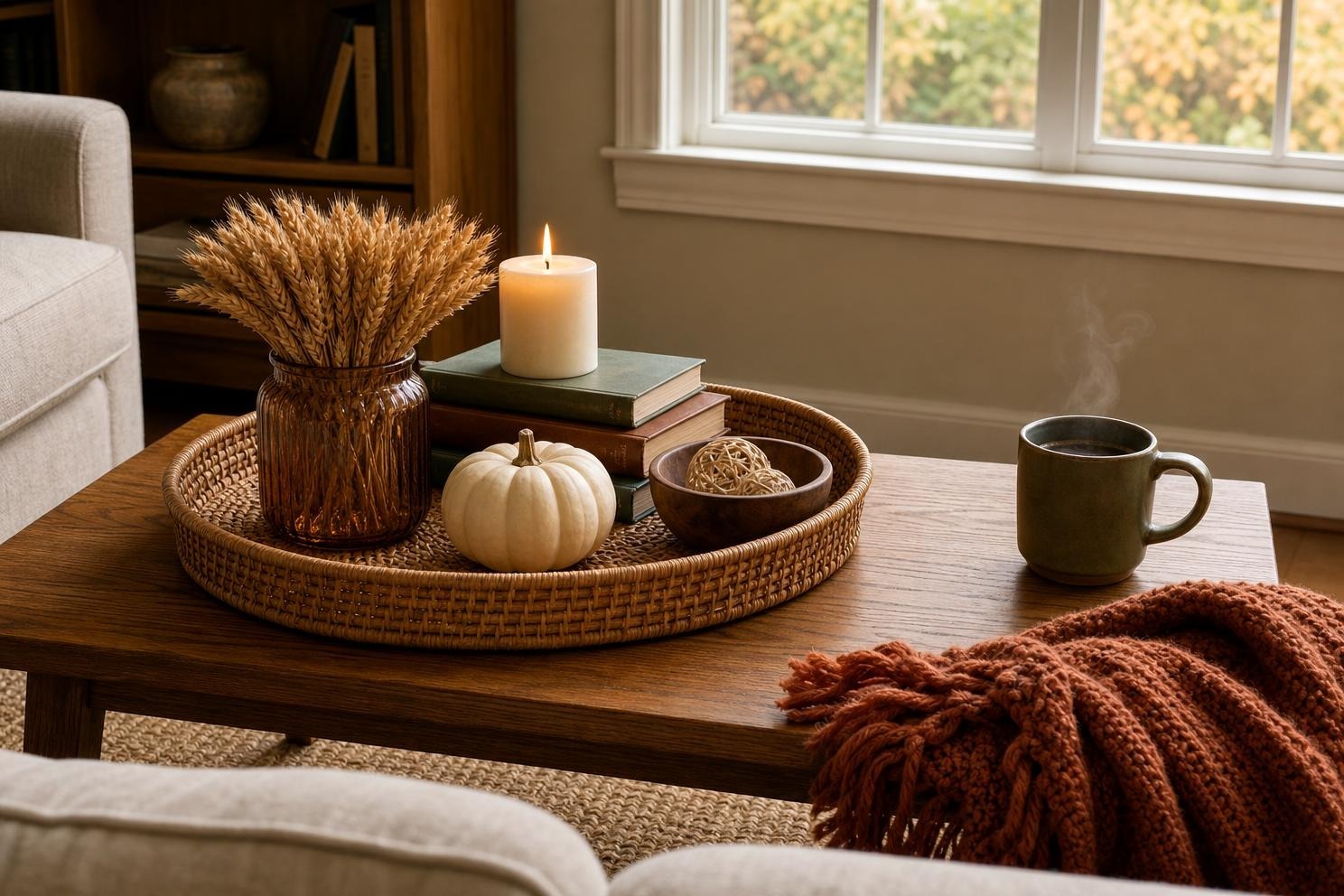
When the layout is right but the room still feels bare, add texture at the places your hands and eyes meet: a wood tray, a woven basket, a washable throw, or one plant in a pot with a saucer. The earthy apartment texture guide explains how to use wood, woven fiber, and terracotta without filling every surface.
Plants need a real light match. A north-facing or shaded room can work for a snake plant, but low light does not mean no light. The living-room plant guide is a better next step than buying a tall plant for a dark corner and hoping it adjusts.
A one-evening setup test
Before you drill or buy a larger piece, use tape and boxes to test the room:
- Tape the sofa, rug, table, shelf, and lamp footprints on the floor.
- Walk from the front door to the window and kitchen while carrying a basket.
- Open cabinets, closets, windows, and doors inside the taped layout.
- Sit on the sofa and check the lamp height, screen glare, and table reach.
- Leave the tape overnight, then remove the piece that causes the first daily annoyance.
The right small apartment living room ideas make an ordinary Tuesday easier. A room that looks good only when nobody walks through it needs a different layout.
Care and move-out preparation
Keep adhesive instructions and paint information with the move-in photos. Dust lamp shades, check rug edges, and tighten furniture hardware during the season. If a tall shelf needs an anti-tip bracket, ask the landlord how to install and repair it before you place the shelf.
Two weeks before moving, compare every wall and floor with the original photos. Remove adhesive slowly and follow the product instructions. Fill only the holes and scuffs you are responsible for, use the approved paint color, clean the room, and photograph the condition after repairs. Do not promise that a repair will protect a deposit; the lease and the final inspection control that decision.
More help with this project
- These warm living room colors help existing renter furniture look related without painting every wall.