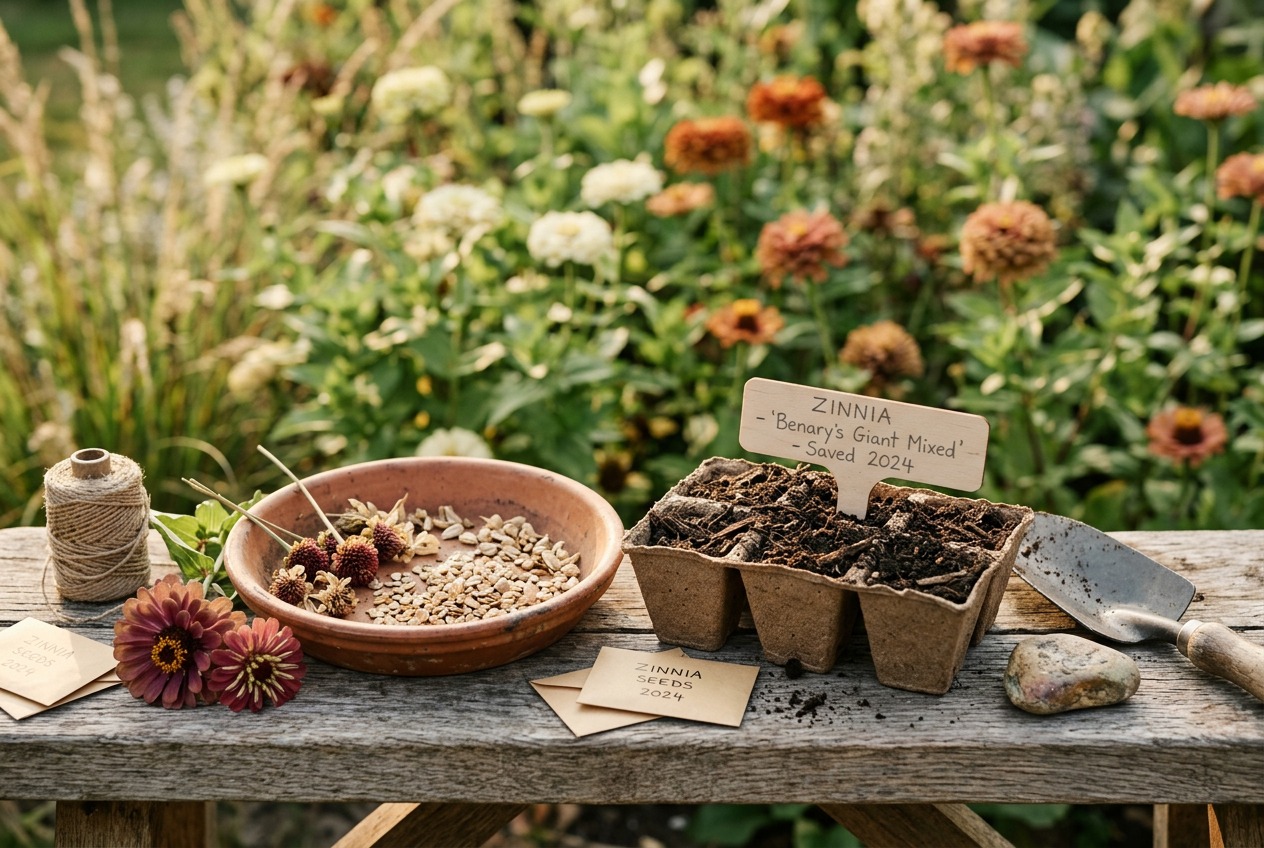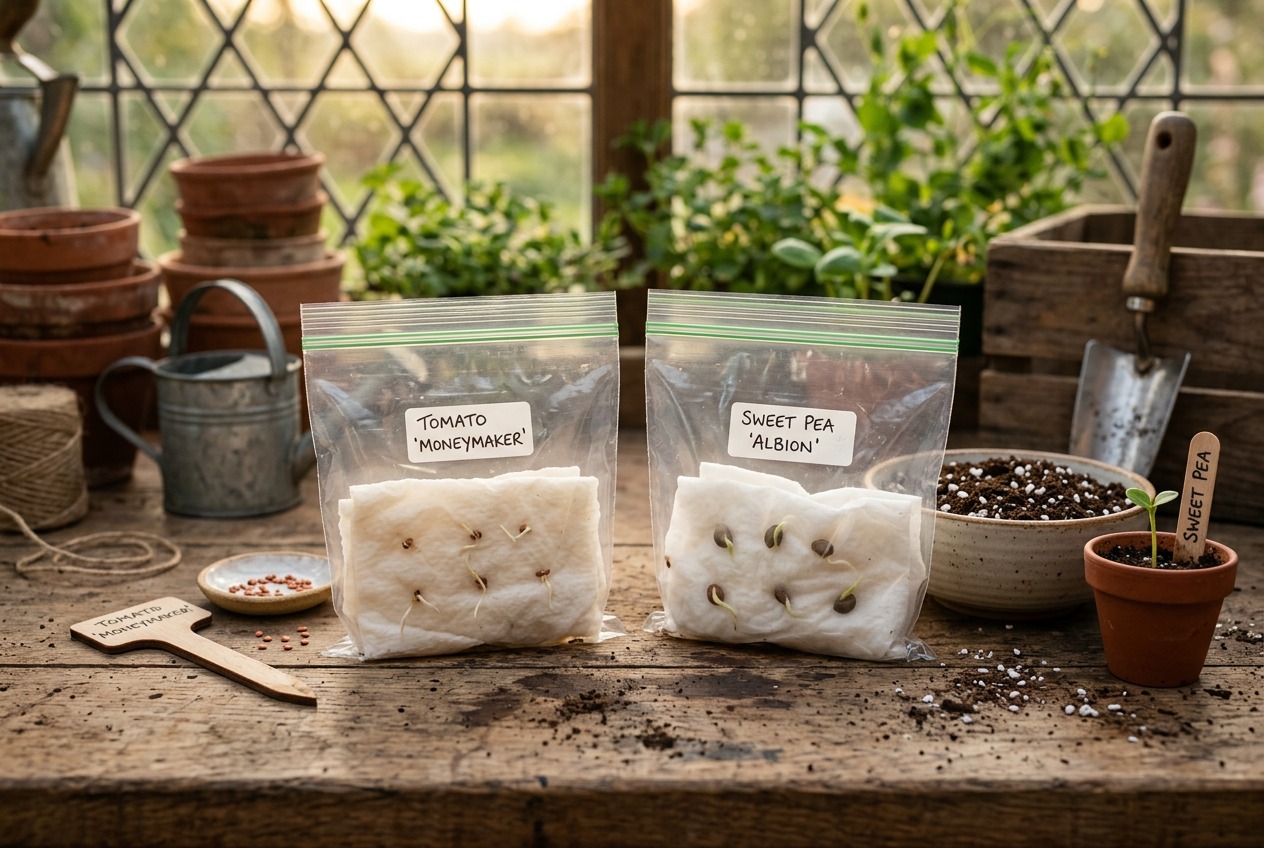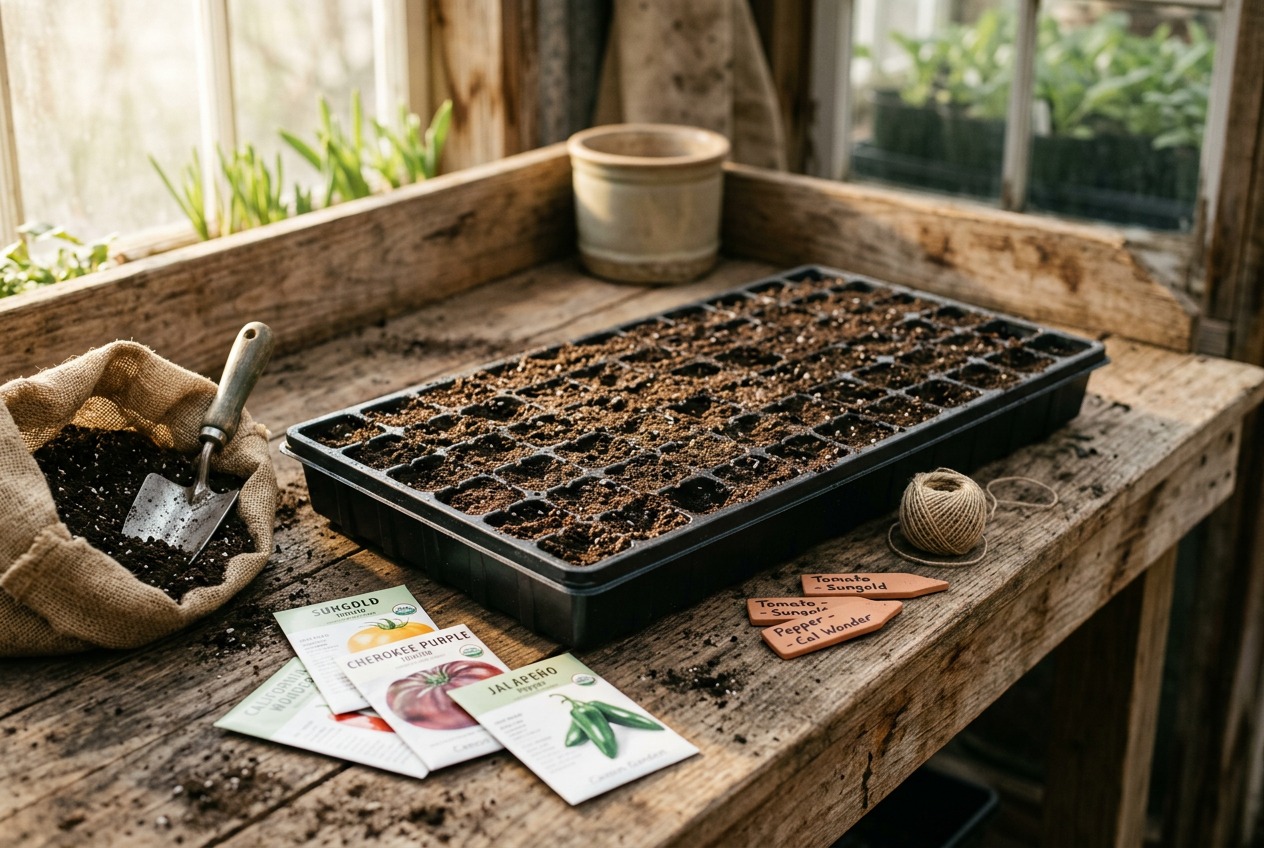
Zone 6 gardeners should start tomato seeds indoors 6-8 weeks before the last frost date (typically April 15-May 1). Peppers need 8-10 weeks, while quick growers like basil only need 4-6 weeks. Starting too early creates leggy seedlings that struggle after transplant. Starting too late means you miss your planting window and lose weeks of growing time.
What You Need
| Item | Cost | Notes |
|---|---|---|
| Seed starting mix (8 qt bag) | $8-12 | Sterile mix prevents damping off |
| 72-cell seedling trays | $3-5 each | Reusable for 3-4 seasons |
| Humidity domes | $4-6 each | Clear plastic, fits standard trays |
| LED grow light (2ft) | $25-40 | 6500K spectrum, adjustable height |
| Heat mat (10x20") | $20-30 | Maintains 70-75°F soil temp |
| Seeds | $2-4 per packet | Buy from Johnny’s, Burpee, or Baker Creek |
You’ll also need plant labels, a spray bottle, and a timer for your grow light. Total startup cost runs $75-120 if buying everything new. I’ve used the same trays and heat mat for six years.
Zone 6 Indoor Seed Starting Calendar
Your last spring frost date determines everything. Zone 6 spans a range. Northern parts (6a) see last frost May 1-10. Southern areas (6b) clear by April 15-25. Use your actual local date, not the zone average.
| Crop | Weeks Before Last Frost | Start Date (April 25 frost) | Start Date (May 5 frost) |
|---|---|---|---|
| Onions, leeks | 10-12 weeks | Feb 1-15 | Feb 11-25 |
| Peppers, eggplant | 8-10 weeks | Feb 15-Mar 1 | Feb 25-Mar 10 |
| Tomatoes | 6-8 weeks | Mar 1-15 | Mar 10-25 |
| Broccoli, cabbage, cauliflower | 6-8 weeks | Mar 1-15 | Mar 10-25 |
| Lettuce, kale, chard | 4-6 weeks | Mar 15-Apr 1 | Mar 25-Apr 10 |
| Herbs (basil, parsley, cilantro) | 4-6 weeks | Mar 15-Apr 1 | Mar 25-Apr 10 |
| Cucumbers, squash, melons | 3-4 weeks | Apr 1-10 | Apr 10-20 |
| Marigolds, zinnias | 4-6 weeks | Mar 15-Apr 1 | Mar 25-Apr 10 |
Direct sow after last frost: Beans, peas, carrots, radishes, corn. These hate transplanting or germinate so fast indoors isn’t worth it.
How to Start Seeds Indoors
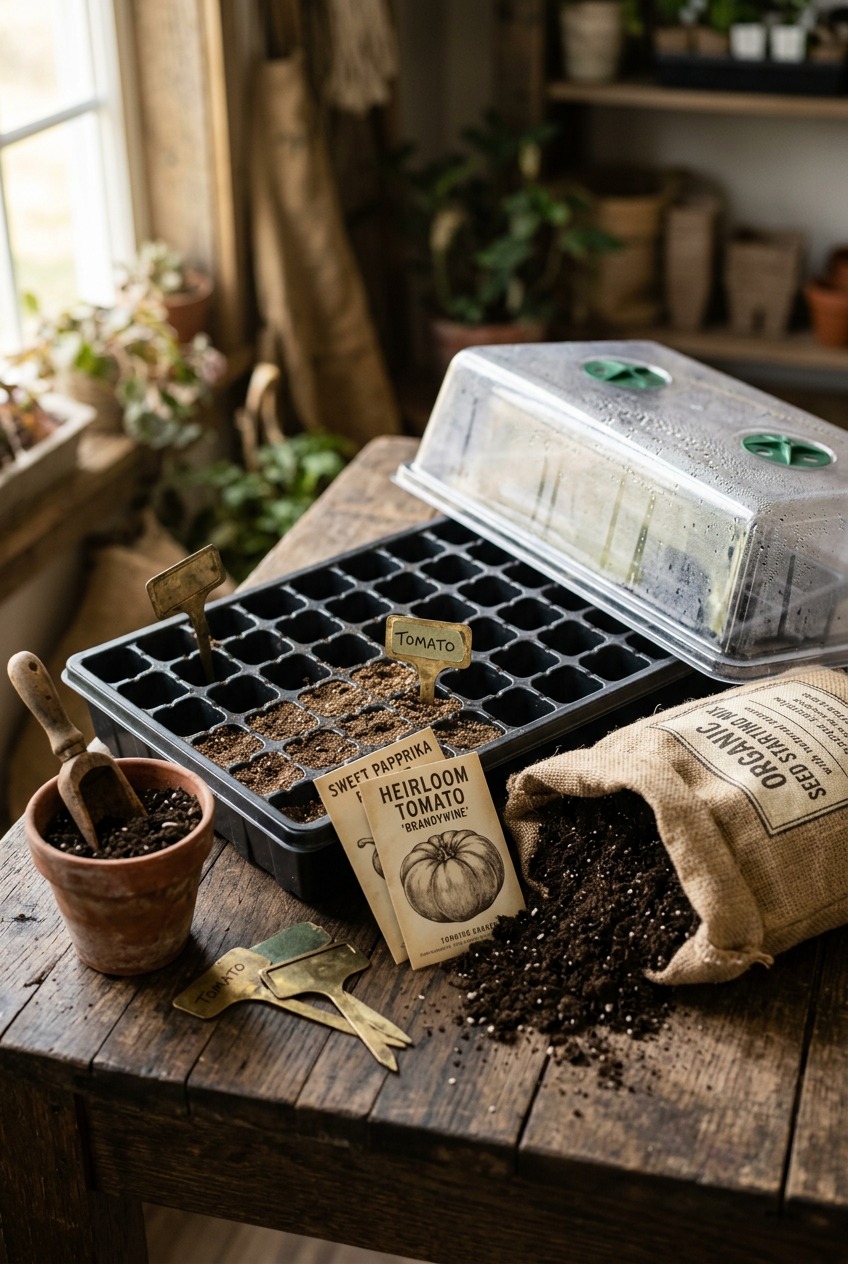
Step 1: Fill cells with moistened seed starting mix. Pack lightly. The mix should feel like a wrung-out sponge.
Step 2: Plant seeds at the depth listed on the packet. General rule: plant twice as deep as the seed is wide. Tiny seeds (lettuce, basil) need light to germinate, so press them onto the surface.
Step 3: Label everything immediately. You will not remember which tray is ‘Early Girl’ versus ‘Cherokee Purple’ two weeks from now.
Step 4: Cover trays with humidity domes. Place on heat mat set to 70-75°F. Most vegetables germinate faster with bottom heat.
Step 5: Check daily. Remove dome as soon as you see green. Seedlings under a dome for too long get leggy and weak.
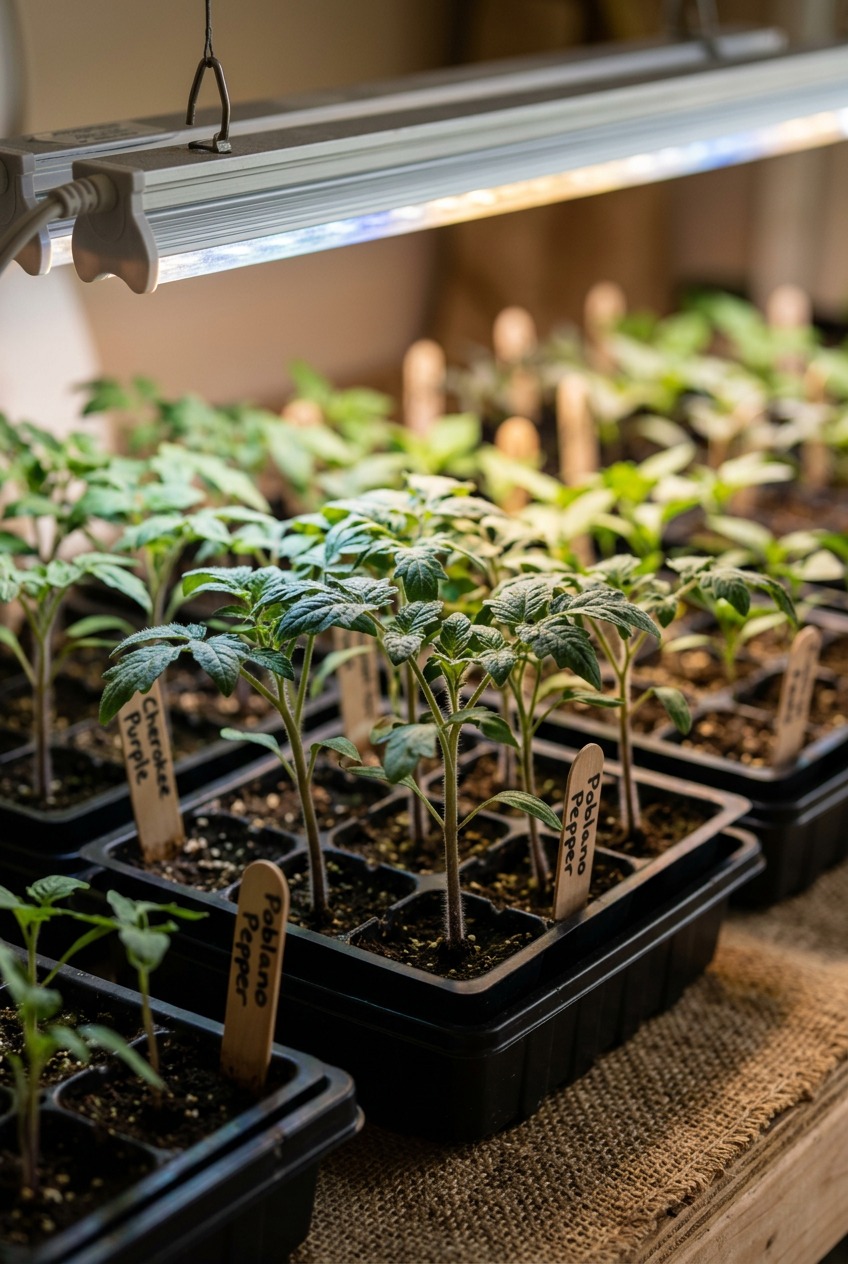
Step 6: Move trays under grow lights immediately after germination. Position lights 2-3 inches above seedlings. Run lights 14-16 hours per day.
Quick Tip: Set your grow light on a timer. Consistent light duration prevents stretching. I use a basic plug timer from the hardware store ($8).
Step 7: Water from below. Pour water into the tray, let cells wick it up for 15-20 minutes, then dump excess. This prevents damping off disease.
Step 8: Feed with half-strength liquid fertilizer once seedlings have two sets of true leaves. I use fish emulsion diluted to 1 tablespoon per gallon.
What to Watch For
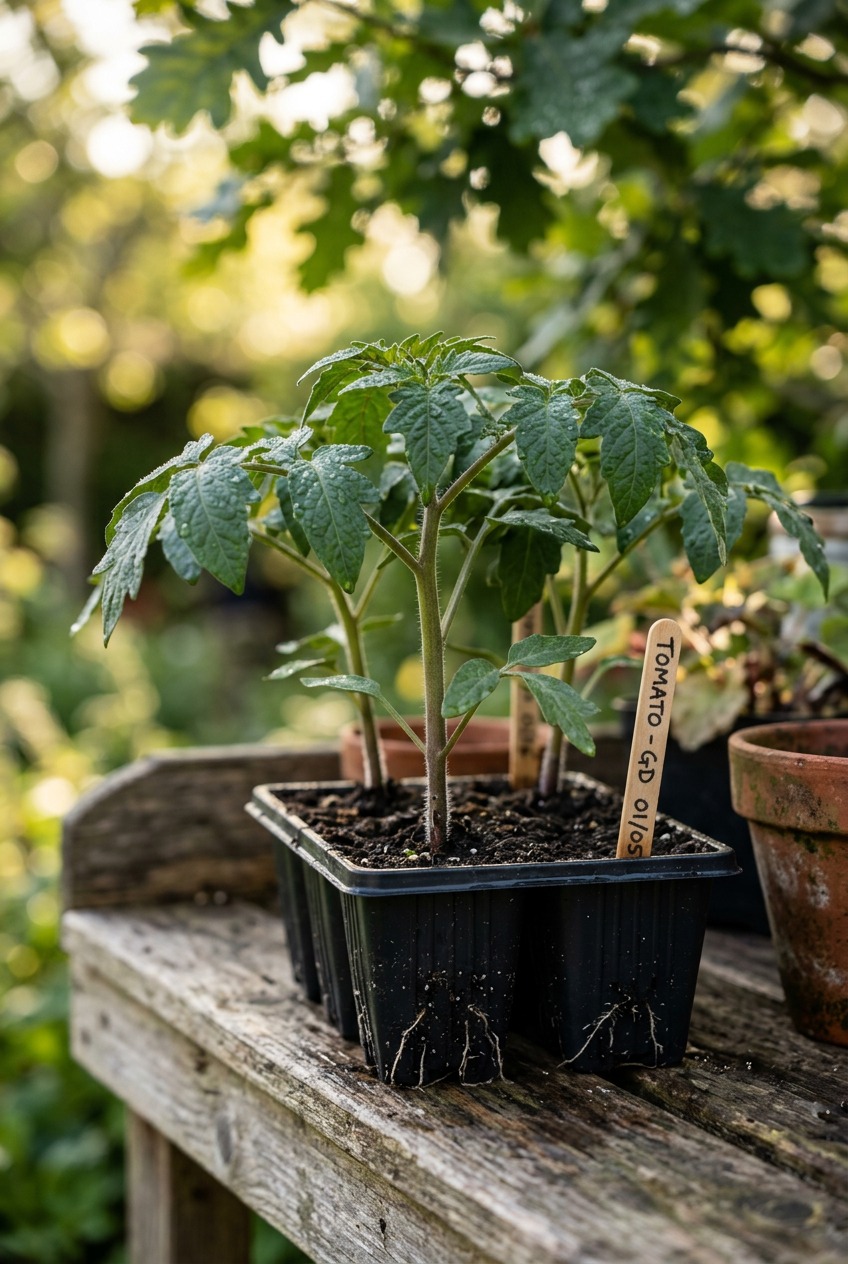
Leggy seedlings: Caused by insufficient light or lights positioned too high. Lower your grow light to 2 inches above the plants. If they’re already stretched, you can bury tomato stems deeper when transplanting, but peppers won’t recover.
Damping off: Seedlings fall over at soil line and die. This fungal disease thrives in wet, poorly ventilated conditions. Always use sterile seed starting mix, water from below, and remove humidity domes immediately after germination.
Slow germination: Peppers and eggplant need consistent 75-80°F soil temperature. Without a heat mat, they can take 3-4 weeks to sprout instead of 7-10 days. Tomatoes are more forgiving but still germinate faster with warmth.
From my experience: I killed three trays of peppers my first year by overwatering. The surface looked dry but the bottom stayed soggy. Now I lift trays to check weight. Light tray means water, heavy tray means wait.
Hardening Off Schedule
Start hardening off seedlings 7-10 days before transplant date. This process acclimates indoor plants to outdoor conditions. Skip it and your seedlings will sunburn, wilt, or die.
Day 1-2: Set trays outside in full shade for 2-3 hours. Bring inside.
Day 3-4: Increase to 4-5 hours in dappled shade.
Day 5-6: Move to morning sun (6-8 AM), shade rest of day. 6-8 hours outside.
Day 7-8: Full sun for 4-5 hours, then shade. Outside all day.
Day 9-10: Full sun all day. Leave out overnight if temps stay above 50°F.
Watch the weather. A surprise cold snap or heavy rain means bringing trays back inside. I’ve hauled trays in and out at 10 PM more than once.
Make It Your Own
Small space adaptation: Start fewer varieties but more plants per variety. Six ‘San Marzano’ tomato plants produce more usable harvest than two each of three heirloom varieties.
Budget version: Skip the heat mat for tomatoes and herbs. They’ll germinate 3-5 days slower but still work. Peppers really do need bottom heat though.
Extended season: Start a second round of cool-season crops (broccoli, cabbage, lettuce) in mid-July for fall harvest. These transplant outside in August when spring seedlings would bolt.
Variety swaps by microclimate: If you garden in a sheltered south-facing bed or use row covers, start seeds 1 week earlier. Exposed northern slopes or windy sites need an extra week indoors to compensate for slower outdoor growth.
Before You Start
Timing matters more than perfection. Seedlings started on schedule in basic conditions outperform late seedlings grown under ideal conditions. Mark your calendar now.
Budget for lights. A sunny windowsill works for herbs. Vegetables need supplemental light or they stretch into useless stalks. One 2-foot LED shop light ($25-30) handles four standard trays.
Plan your transplant dates. Knowing when seeds go outside determines when they start inside. Zone 6 transplant schedule: cool-season crops (broccoli, lettuce, kale) go out 2-4 weeks before last frost. Warm-season crops (tomatoes, peppers, cucumbers) wait until after last frost when soil hits 60°F.
FAQ
When exactly is the last frost date in Zone 6?
Zone 6a averages May 1-10, Zone 6b averages April 15-25. Check your local extension office for your specific county. I’m in central Ohio (6b) and use April 25 as my planning date, but I’ve seen frost as late as May 8.
Can I start seeds in regular potting soil?
No. Potting soil is too heavy and often contains fertilizer that burns seedlings. It also harbors fungi that cause damping off. Seed starting mix is sterile, lightweight, and drains well. An 8-quart bag costs $8-12 and starts 200+ seedlings.
What if my seedlings get too big before transplant date?
Pot them up into 4-inch containers with potting soil. This gives roots more room and prevents plants from becoming rootbound. I’ve potted up tomatoes twice in cold springs, moving from 72-cell trays to 4-inch pots to 1-gallon pots before finally transplanting outside.
Do I really need a heat mat for peppers?
Yes. Peppers germinate in 7-10 days at 75-80°F soil temperature. Without heat, they take 3-4 weeks and germination rate drops from 80% to 40-50%. Tomatoes tolerate cooler soil (65-70°F) but peppers and eggplant are tropical plants that need consistent warmth.
How do I know if seedlings are getting enough light?
Healthy seedlings have short, thick stems and dark green leaves close together. Leggy seedlings stretch tall with pale leaves spaced far apart. Measure the distance from soil to first set of true leaves. It should be under 2 inches for most vegetables. If it’s 3+ inches, add more light or lower your fixture.