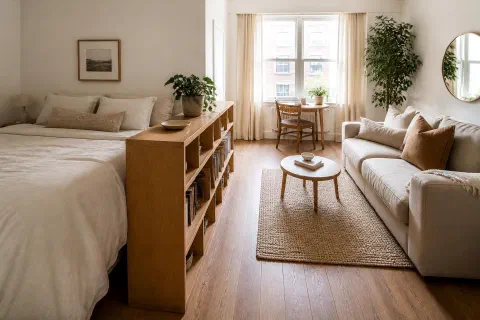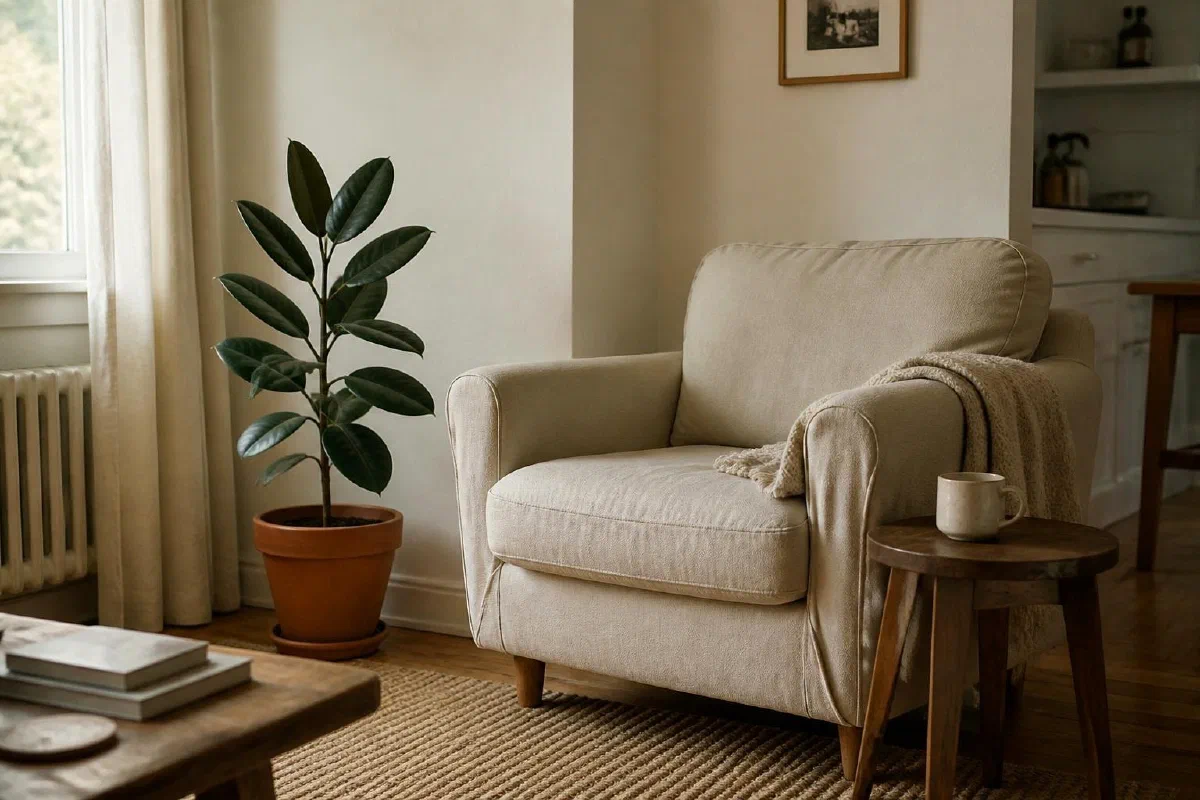
Some apartments look clean but feel a little lifeless. White walls, flat blinds, rental floors, and temporary furniture can make the whole place feel like you are waiting to move again. Plants help because they add shape, shadow, growth, and something to care for that is not another storage bin.
The best plants for making an apartment feel less sterile are pothos, snake plant, peace lily, fern, rubber plant, herbs by a bright window, and one flowering patio or windowsill plant. Choose plants by light and care tolerance, then place them where they soften the hardest edges.
1. Pothos for Shelves That Feel Too Hard
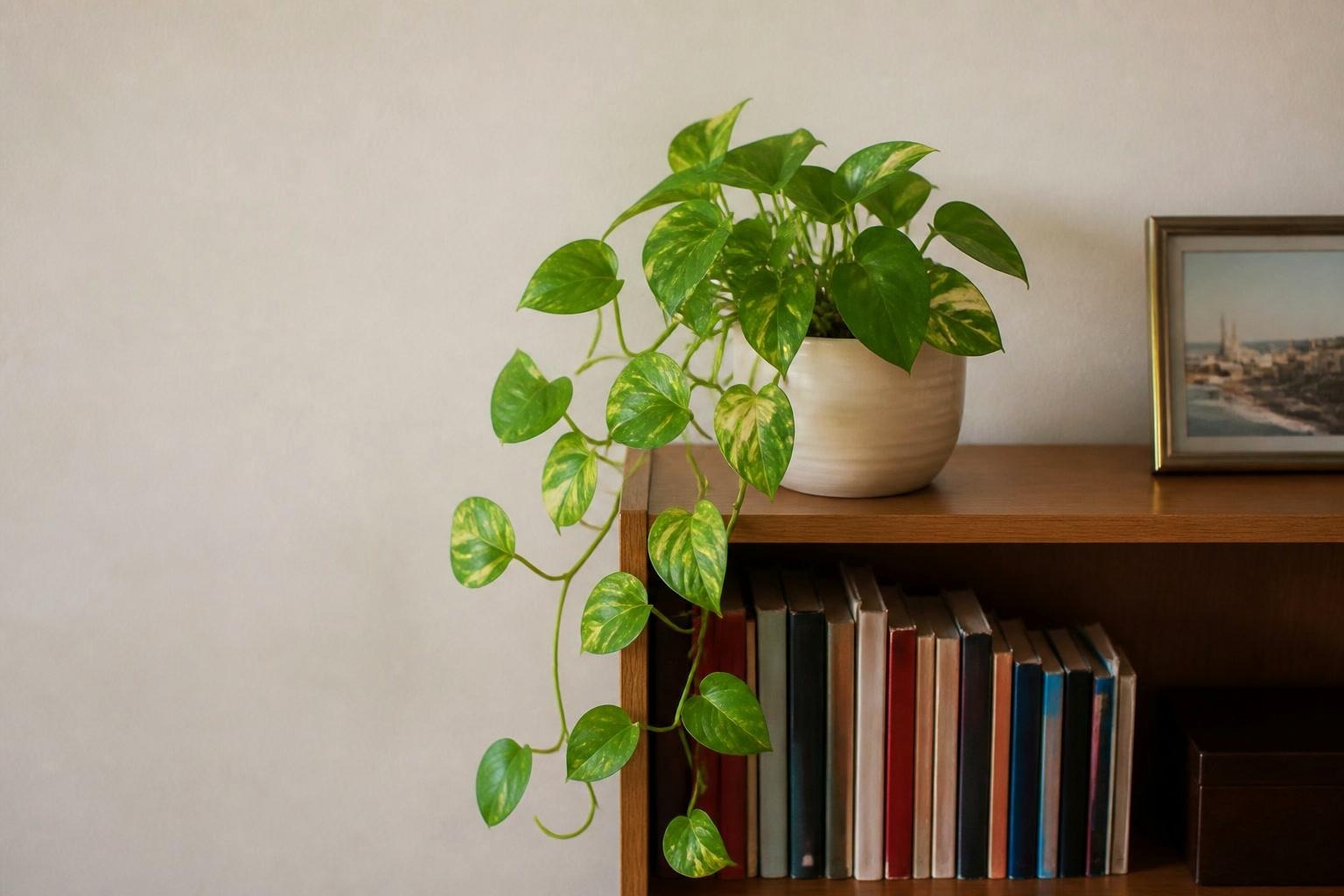
Pothos is forgiving, trailing, and useful where a shelf or cabinet feels stark. Let it soften one edge instead of turning the whole room into a jungle.
2. Snake Plant for Corners That Need Shape
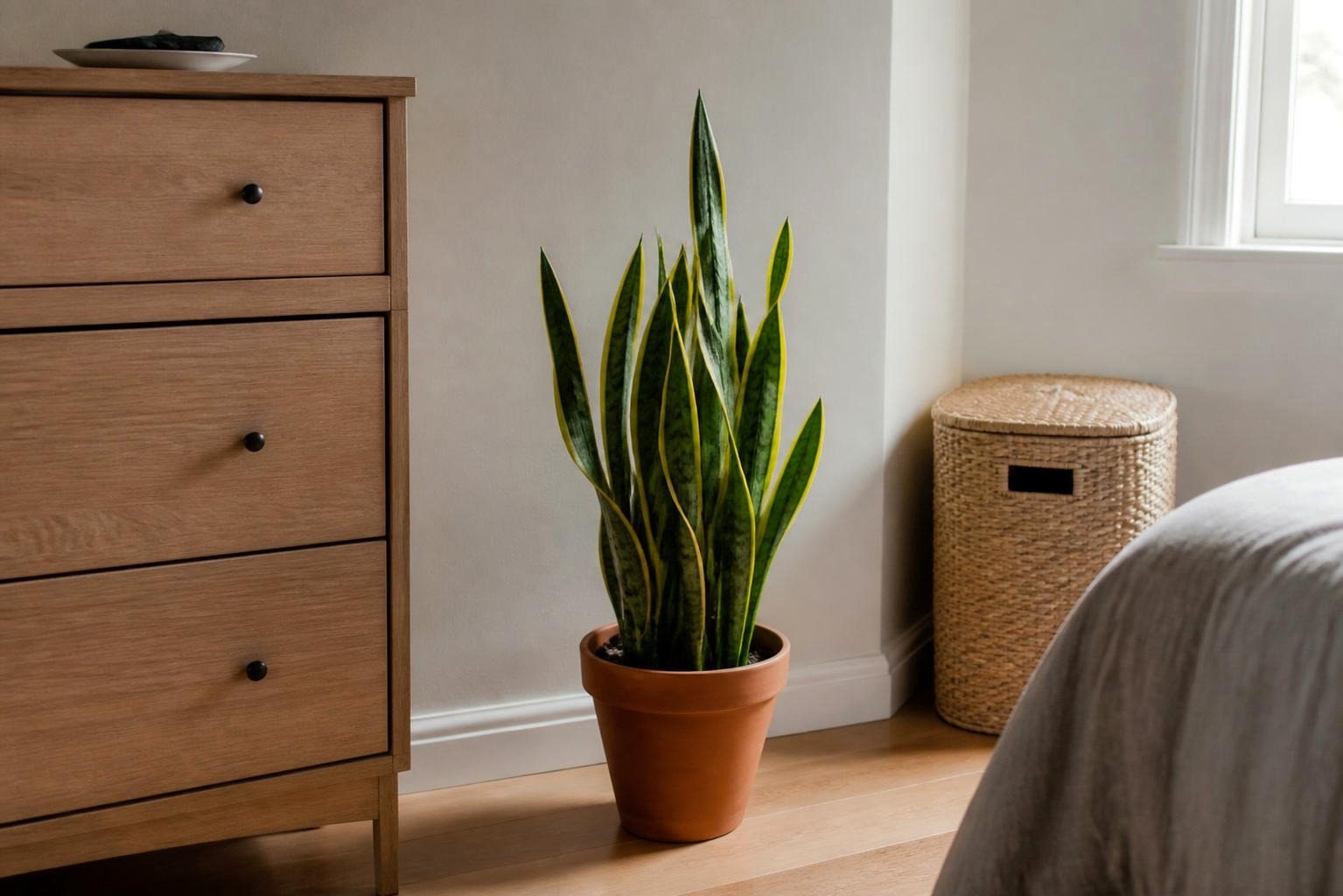
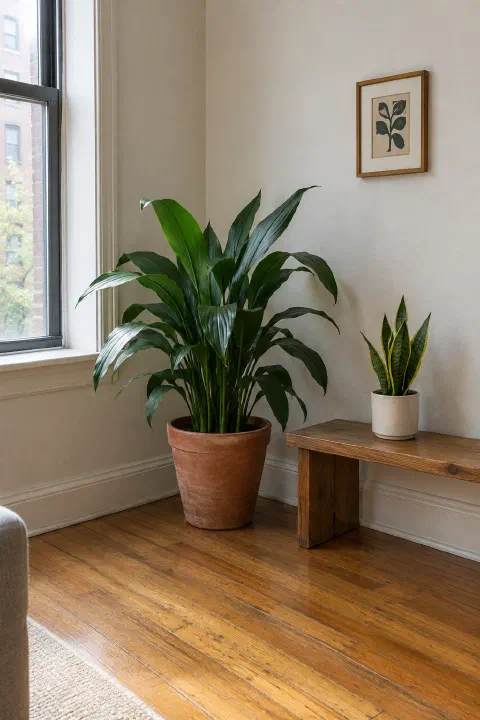
Snake plants add structure without demanding daily care. They work well near a door, beside a dresser, or in the corner that currently feels like dead space.
3. Does a Peace Lily Need a Lot of Light?
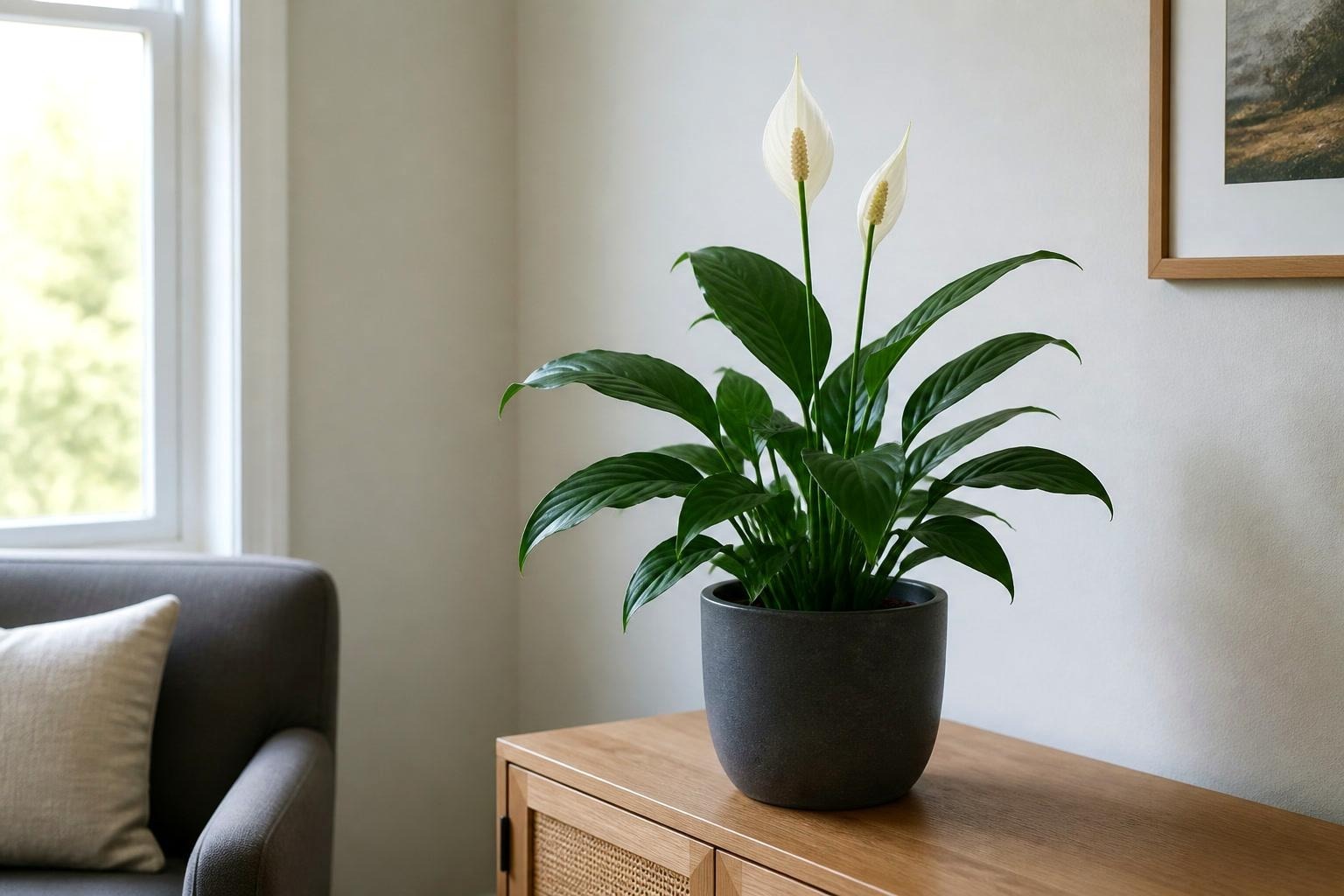
No. A peace lily is a low-light plant, and it is a good fit for the corner of a rental that never gets direct sun. Clemson HGIC’s indoor plant light guide puts it in the medium-light group at 100 to 150 foot-candles, and notes that the interior of a well-lighted home is often under 100. Expect it to hold its shape and grow slowly rather than romp.
One thing to check before it goes on the floor: the ASPCA lists the peace lily as toxic to dogs and cats because of insoluble calcium oxalates, with mouth burning, drooling, and vomiting if an animal chews a leaf. A shelf or a tall cabinet solves it.
It can make a rental room feel calmer, especially where everything else is square and hard. Keep it out of harsh direct sun and water when it starts to tell you it is thirsty.
4. Ferns for a Bathroom or Shady Balcony
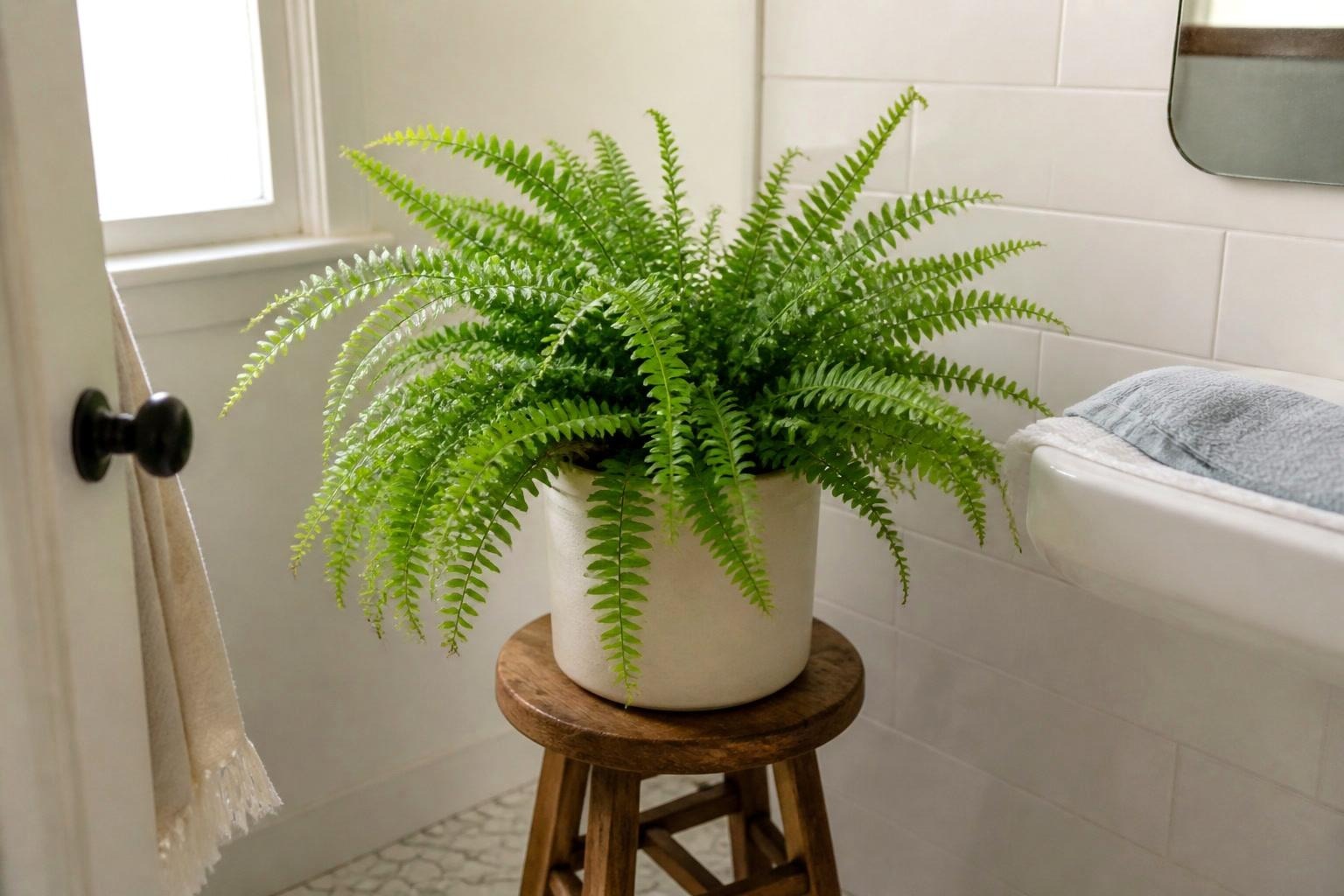
Ferns bring texture and movement. They like humidity more than dry heat, so bathrooms, protected balconies, and softer light can suit them better than a hot windowsill.
5. Rubber Plant for a Real Furniture Moment
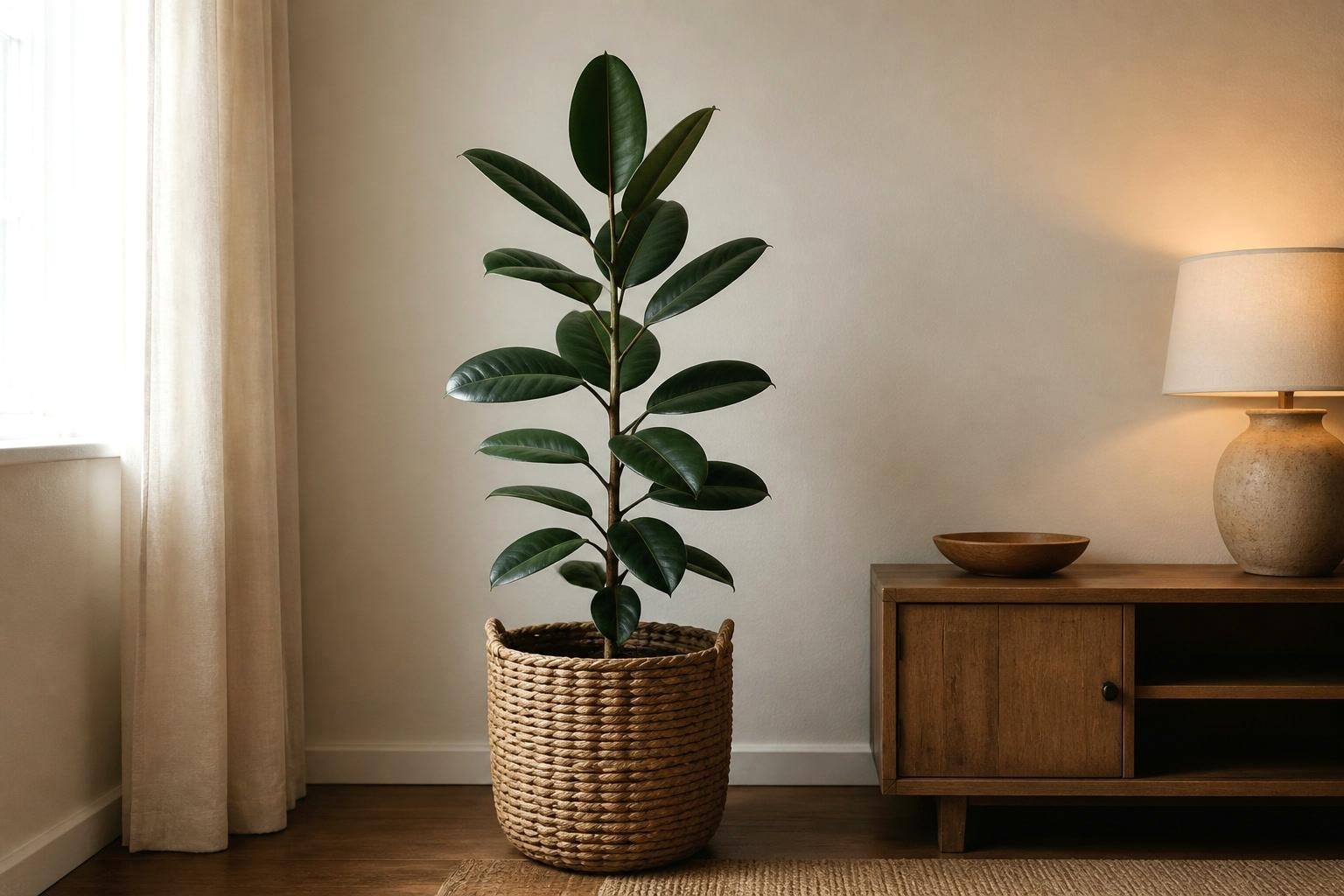
A rubber plant has enough presence to anchor a room without needing a huge collection around it. One good pot matters here because the plant becomes part of the furniture.
6. Herbs That Make the Apartment Feel Used
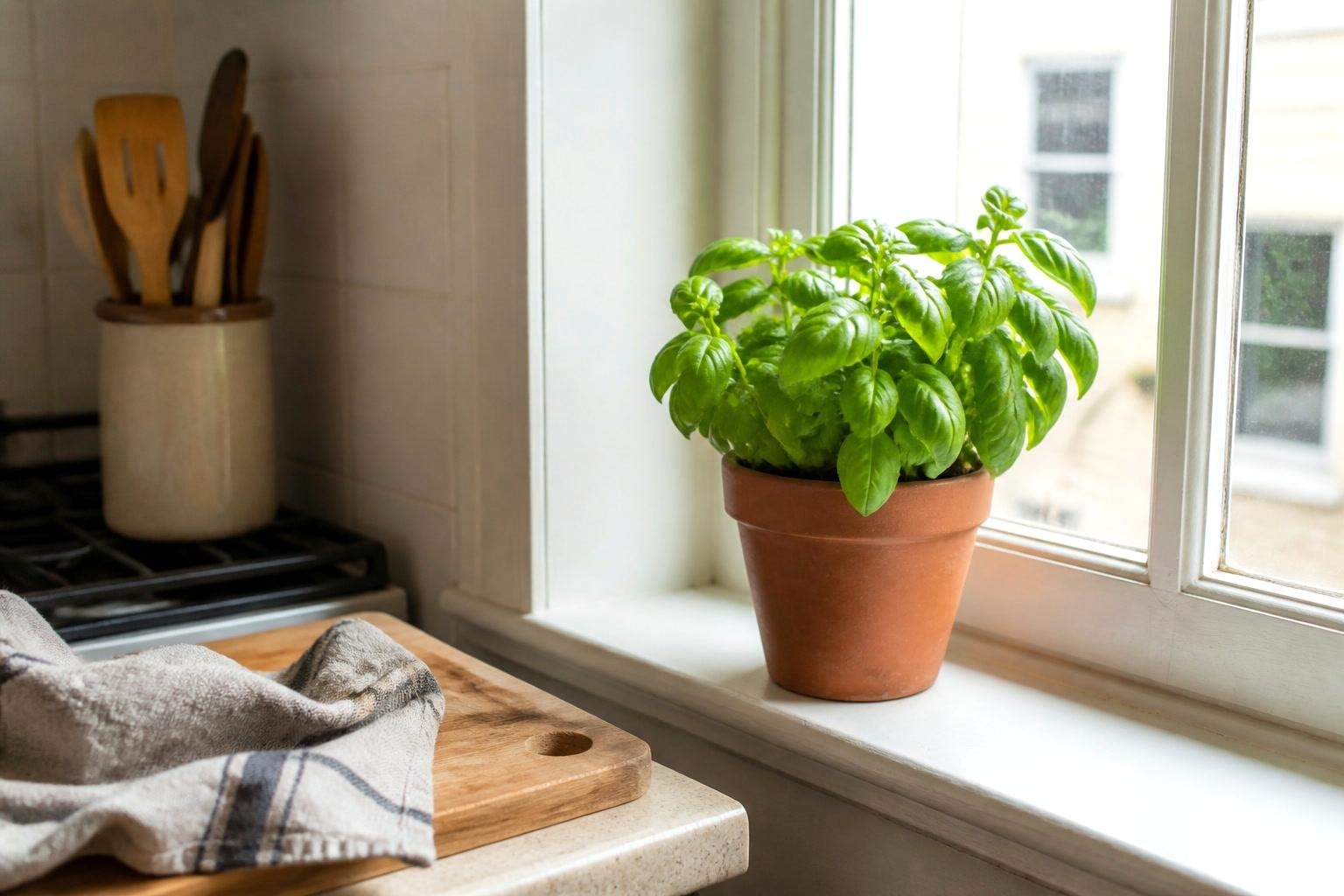
Basil, mint, rosemary, or parsley near a bright window can make a rental feel lived in. Even one herb pot by the balcony door changes the mood because it connects the kitchen to the outside.
The word bright is doing a lot of work there. Basil and rosemary want what Penn State Extension calls full sun, six or more hours of direct light a day, and a north-facing sill will not give them that. They go thin and leggy instead, and feeding does not fix it.
7. One Blooming Plant for Proof of Life
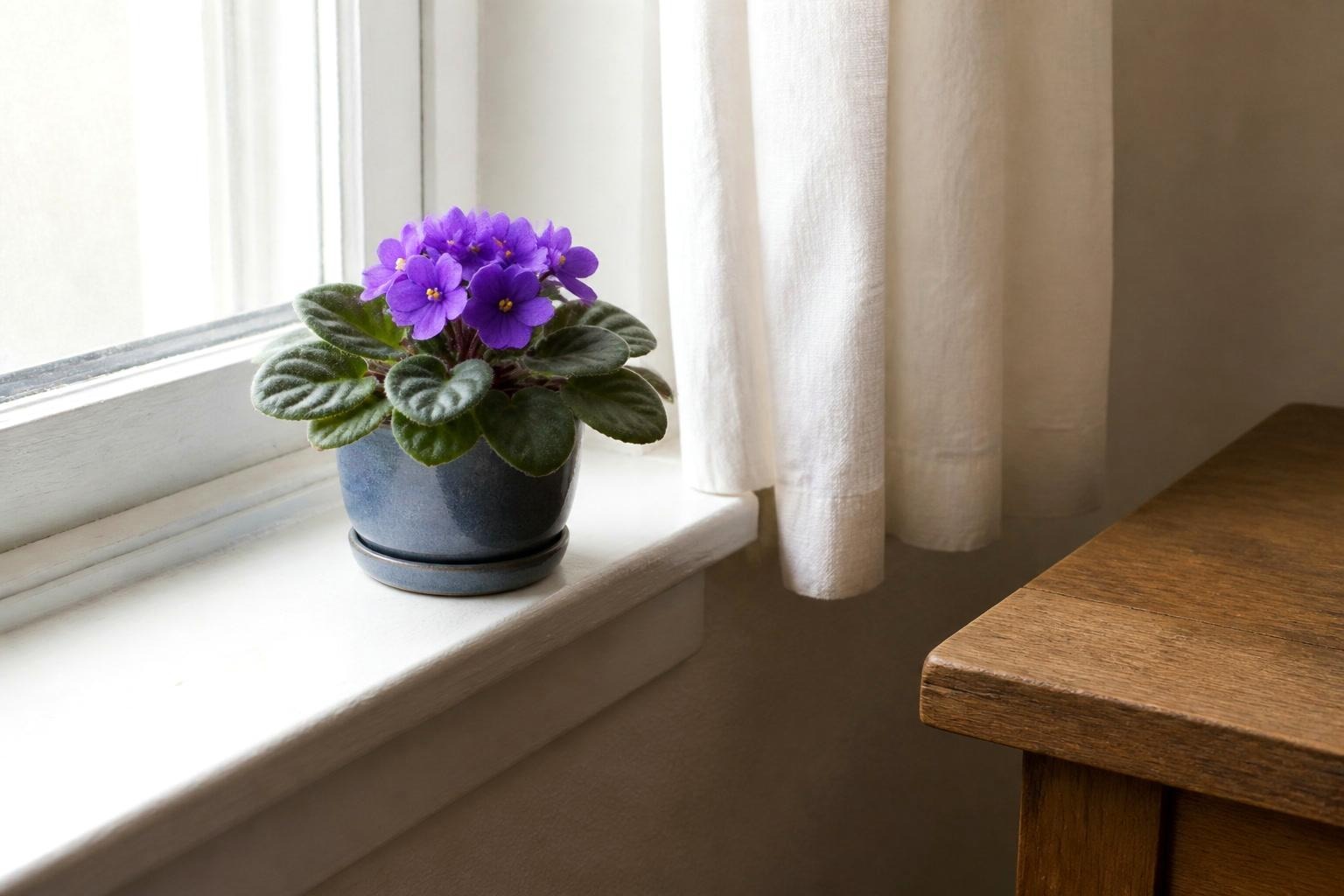
A flowering pot on a balcony, windowsill, or table adds color where the apartment feels flat. Try begonias, kalanchoe, African violets, or a small outdoor annual if the light works.
How to Choose a Plant for the Light You Have
Seven plants is a list, not a plan. What decides whether they live is the light in the spot you already have in mind. Clemson’s guide sorts houseplants into bands measured in foot-candles, with low starting at 100 and medium at 100 to 150.
| The spot | Roughly what it gets | Plants from this list |
|---|---|---|
| A south or west window, sun for hours | Full sun | Basil and rosemary |
| A bright room, a few feet back from the glass | Medium light, 100 to 150 foot-candles | Rubber plant, peace lily, fern, African violet |
| A hallway or an inside corner away from any window | Low light, around 100 foot-candles | Snake plant, pothos |
Two signals tell you when a spot is wrong. A plant that stretches toward the window and loses its shape wants more light than it is getting. A plant that goes pale, or scorches brown on the side facing the glass, has more sun than it wants. Move the pot two feet and give it two weeks before you decide the plant is the problem.
Mistakes That Make an Apartment Feel More Sterile
- Every pot at ankle height. A row of plants on the floor reads as a nursery rather than a room. Lift two of them onto something.
- One big plant doing all the work. A single specimen in an otherwise empty room reads as furniture, not as life.
- A row of identical pots. Matching containers on a windowsill look like a display. Two materials is enough variety.
- Leaving them in the nursery pot. The pot is half the effect, and a black plastic nursery pot on a wooden floor reads as unfinished.
- Buying by looks instead of light. A plant that sulks for three months makes the room feel worse than the empty corner did.
What I’d Buy First
- Pothos for shelves or trailing softness.
- Snake plant for upright structure.
- A fern or peace lily for gentle leaves.
- Herbs near a bright window or balcony door.
- One blooming plant for color. African violets are the medium-light pick of the four named above, so give that one the brightest sill you have.
What to Read Next
Low light indoor plants if the corner you want to fill is nowhere near a window and you need a shorter list that actually tolerates it.
Indoor house plants without the clutter if seven plants sounds like five too many and you want the edited version of this room.
What size planter does a tall indoor plant need before you pot the rubber plant, since the pot is doing half the work in that corner.
Herb garden layouts for a kitchen window if the bright window in step 6 is where you want to start.
Living room plant ideas for empty corners to match a plant to the specific dead corner rather than the room in general.