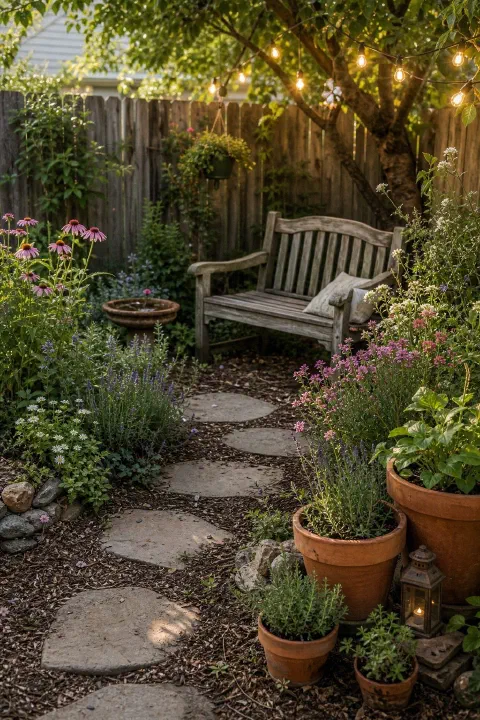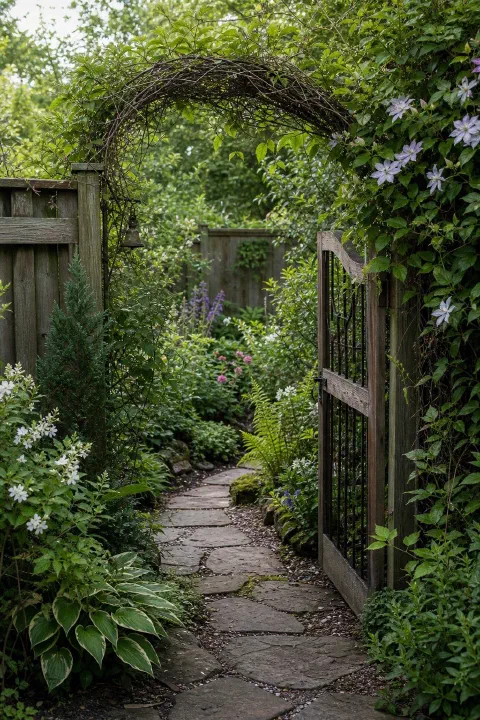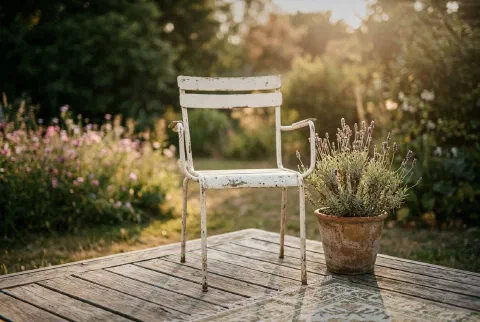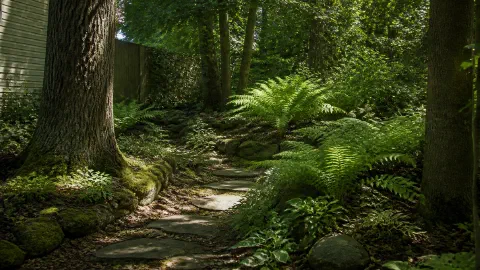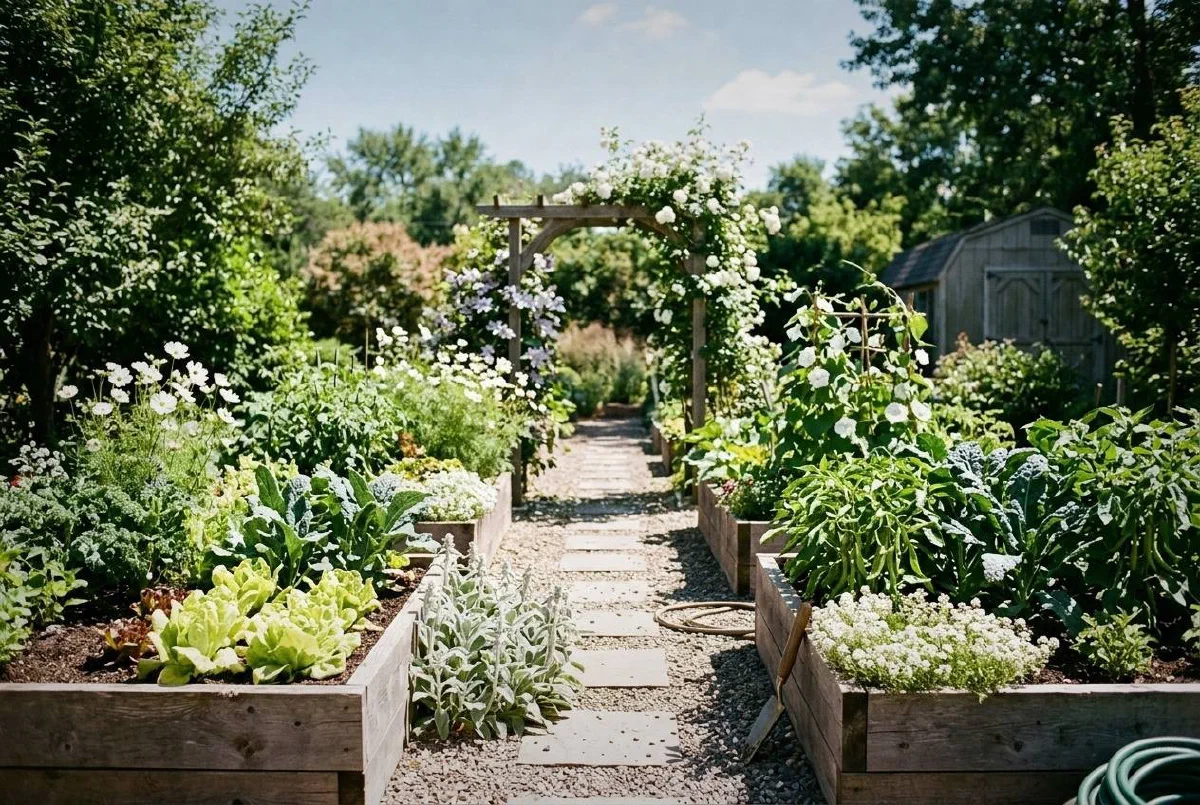
A moon garden uses pale flowers, silver foliage and sometimes evening fragrance where you spend time at dusk. The plants reflect available light; they do not generate their own glow. On a very dark night, even white petals may be hard to see. Keep practical path lighting where you need safe footing.
Start with the view from a kitchen window, a back step or a seat you already use. A small planting beside that route can be more useful than a large bed at the far end of the yard.
White Flowers and Silver Foliage Do Different Jobs
| Layer | Candidates to research | Decision before buying |
|---|---|---|
| Low white flowers | Suitable petunia or alyssum cultivars | Sun, root space, annual replacement |
| Taller white flowers | White coneflower or suitable flowering tobacco | Mature height, hardiness and toxicity |
| Silver foliage | Lamb’s ear or suitable artemisia | Drainage, spread and local suitability |
| A flowering climber | Moonflower vine, Ipomoea alba | Support, growing season, local status and seed safety |
These are design candidates, not a universal native or pet-safe list. Check the actual species, cultivar and conditions; plants sold for one region may be annuals or unsuitable in another.
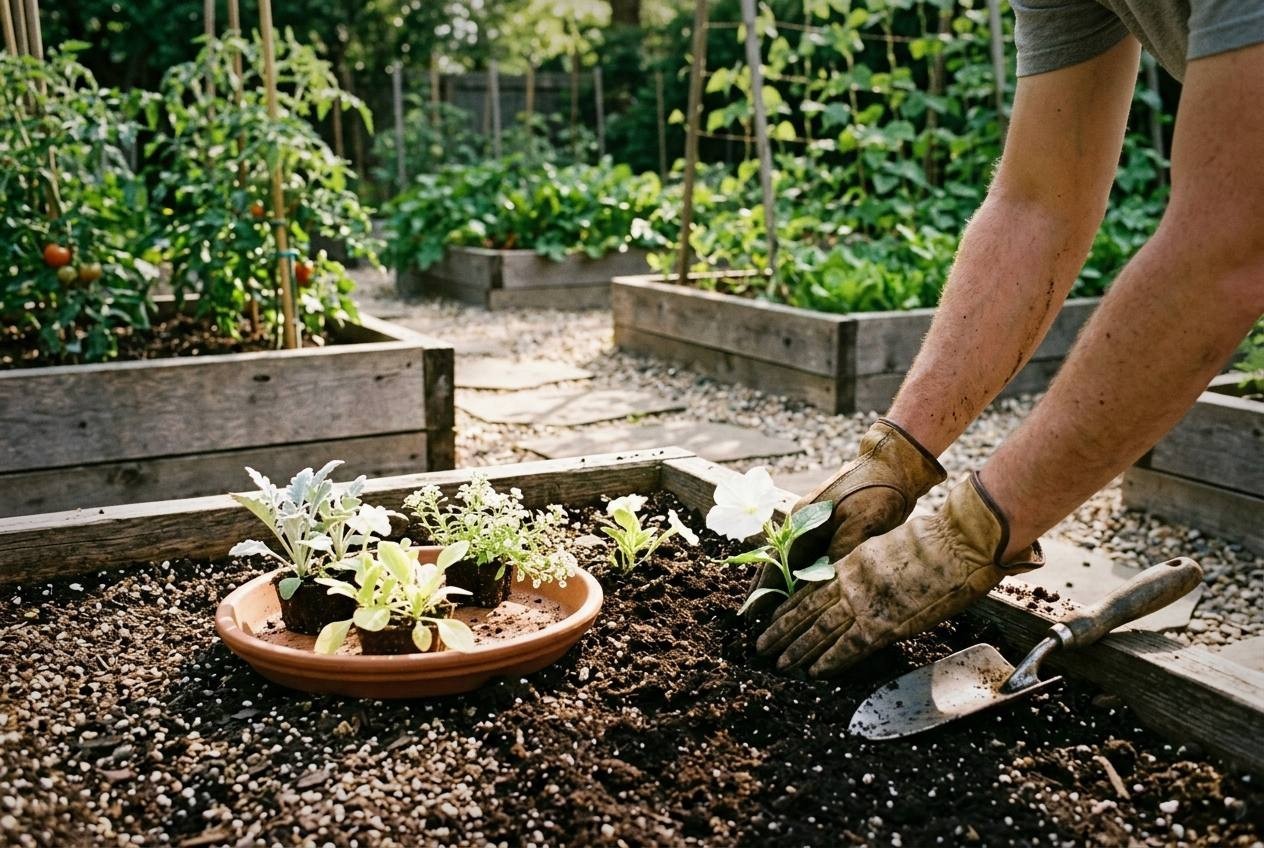
Moonflower: Confirm the Botanical Name
The name moonflower is used for different plants. NC State’s Ipomoea alba entry identifies the vine and notes poisonous seeds. Do not assume a plant with the same common name has the same growth habit or safety profile. Check the label before choosing supports or leaving seed pods within children’s reach.
Choose a trellis suited to the mature vine and locate it without narrowing the path. Use packet instructions for starting seed and a local frost estimate for outdoor timing. No fixed May date suits every climate.
How to Plan the Moon Garden from the Evening View
Mark the sightline from your seat or window before digging. Put taller plants where they will not block the view or brush the path, and keep lower flowers where they can be seen. Compare mature spread, not only nursery-pot size.
Repeat a few plants instead of choosing every white-flowered species in a catalog. Use plants with similar moisture needs together; dry-site silver foliage may not suit the same watering routine as a moisture-loving flowering shrub.
Fragrance Is Optional
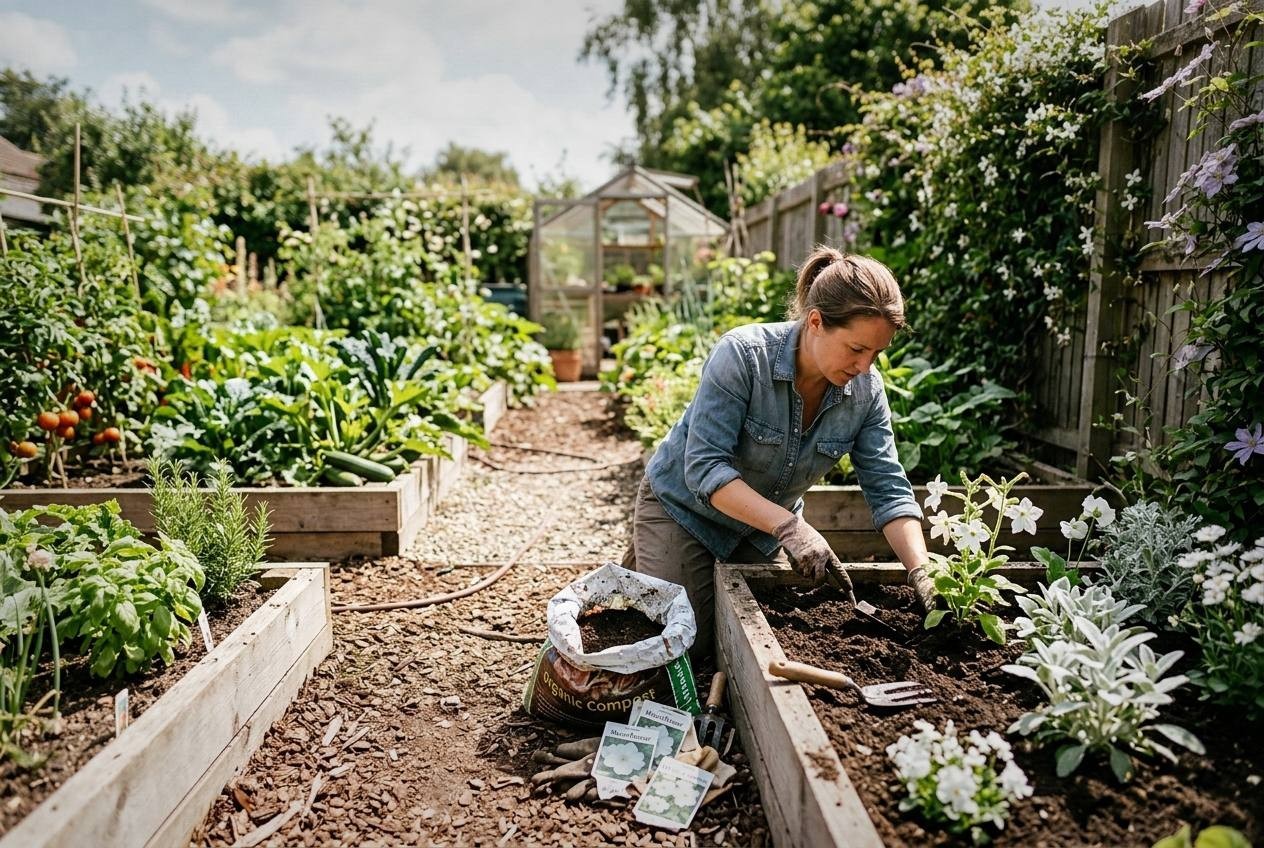
Check when a specific plant releases scent and whether it suits your region before buying it for an evening seat. Strong fragrance can become unpleasant close to a door or chair. One scented plant may be enough; there is no dependable seven-to-nine, nine-to-eleven fragrance timetable for every yard.
Pet access matters. ASPCA identifies Lilium lilies as toxic to cats, so Oriental lilies are a poor casual recommendation for a space cats can reach. Check all proposed plants against a reliable safety reference and choose alternatives where needed.
Light the Path without Flooding the Bed
Use dusk-friendly lighting for steps, trip hazards and the route back indoors. Position light for the task rather than shining a bright fixture into the seating area. Pale flowers are decoration, not a substitute for a safe path.
Look at the proposed spot on a cloudy evening as well as in moonlight. An existing porch light, nearby window, shadowing fence and tree canopy all change what can be seen. You do not need to paint a fence based on an invented twice-as-bright result.
Budget and Seasonal Care
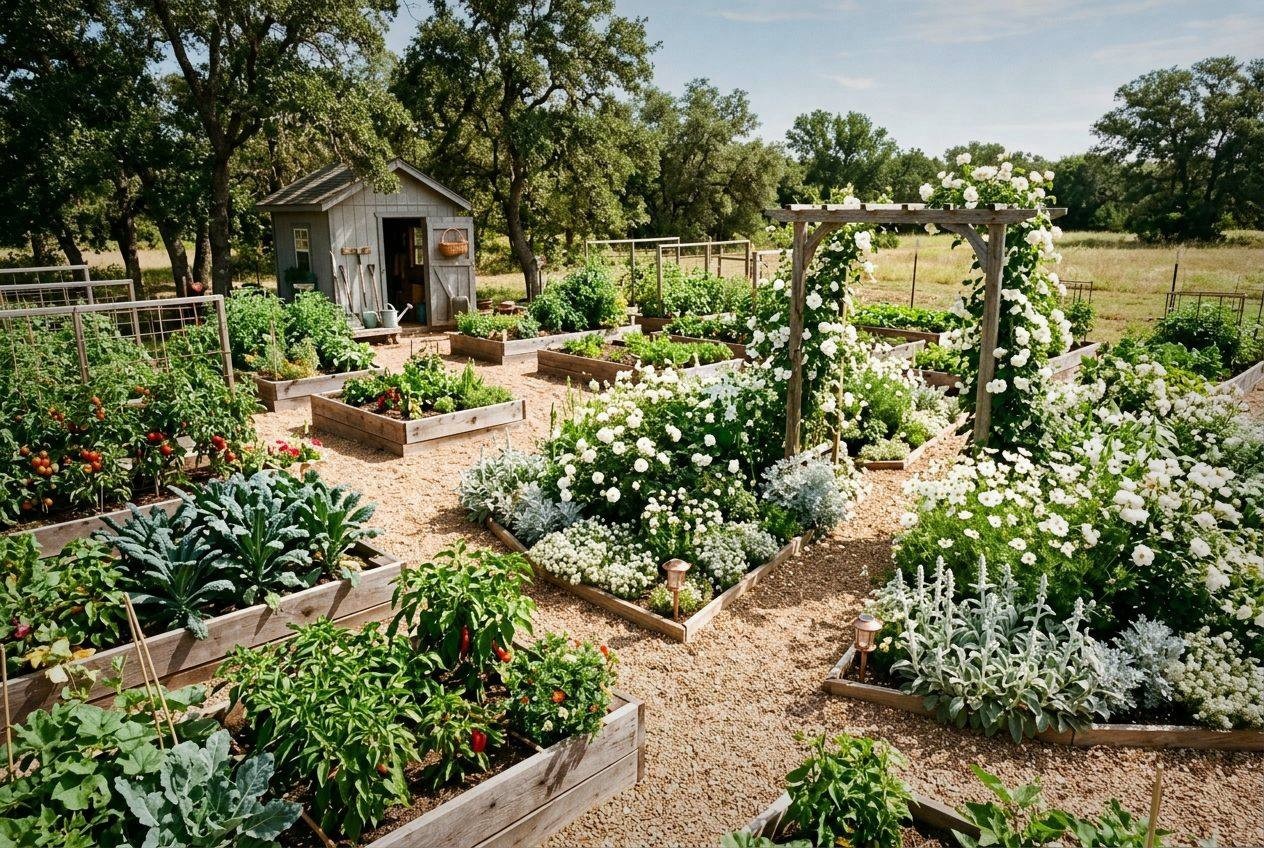
List plants, mix or soil work, supports and lighting separately. Annual replacements are recurring costs, while perennials still need care and may fail. A bed’s second year is not automatically larger, cheaper or maintenance-free.
Use local planting windows and each plant’s instructions for spacing, watering and winter protection. Check moisture rather than watering every plant twice a week. Retain suitable seed heads or stems where they provide habitat, and manage unwanted reseeding deliberately.
Begin with a small visible section, then record which plants flower when you are outdoors, which spread too far, and which need more care than expected. Add plants to solve a real gap in season or structure. That gives the next purchase a purpose without claiming tested results from an imaginary garden.
What to Read Next
- Secret Garden Ideas for a Backyard Hidden Away: enclosure and path ideas for the part of the yard you actually use after dark.
- Dusk-Friendly Backyard Lighting Ideas: the low, warm light that keeps a night garden calm instead of flooded.
- Backyard Night Lighting for Soft Summer Evenings: lighting layers for the same hours, without washing out the flowers.
- Whimsical Garden Ideas for a Backyard: more ways to make a plain yard feel a little magical.