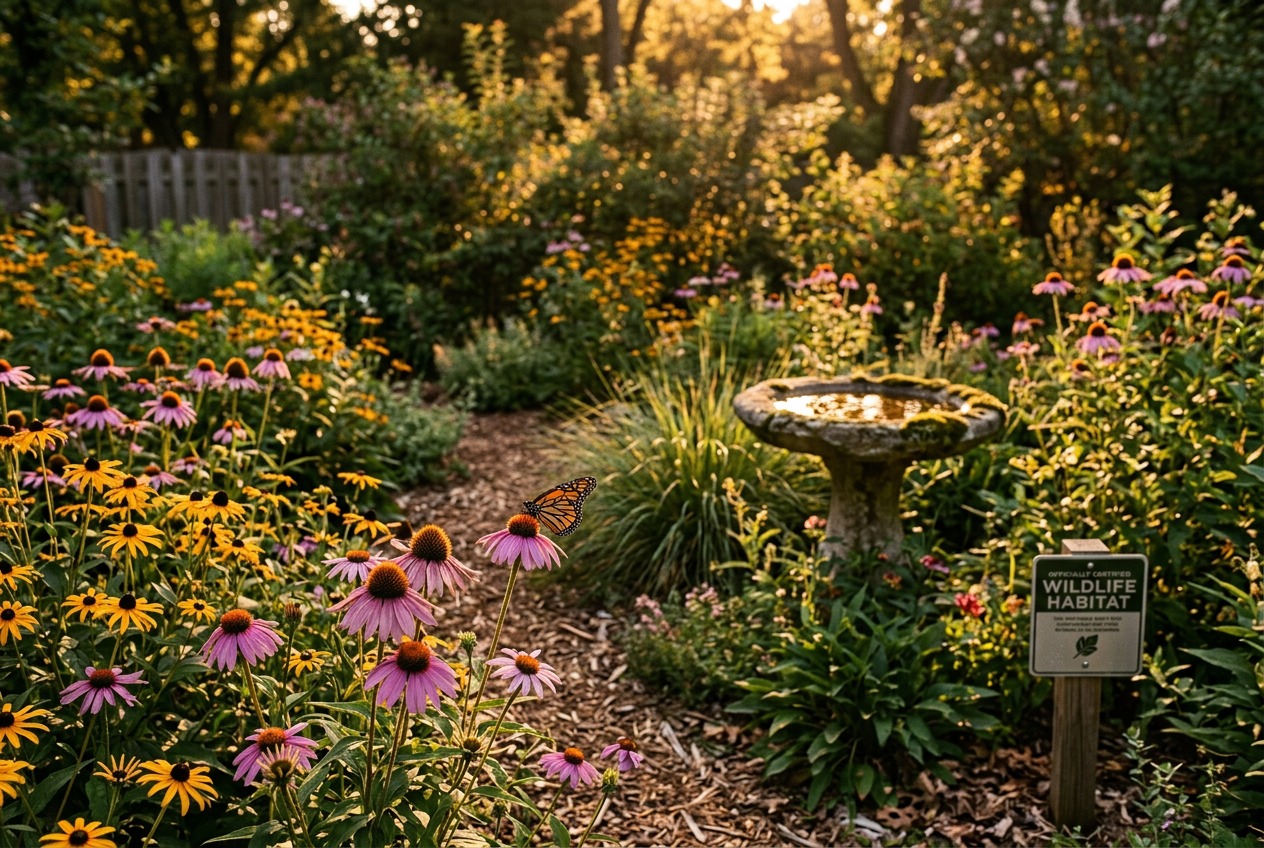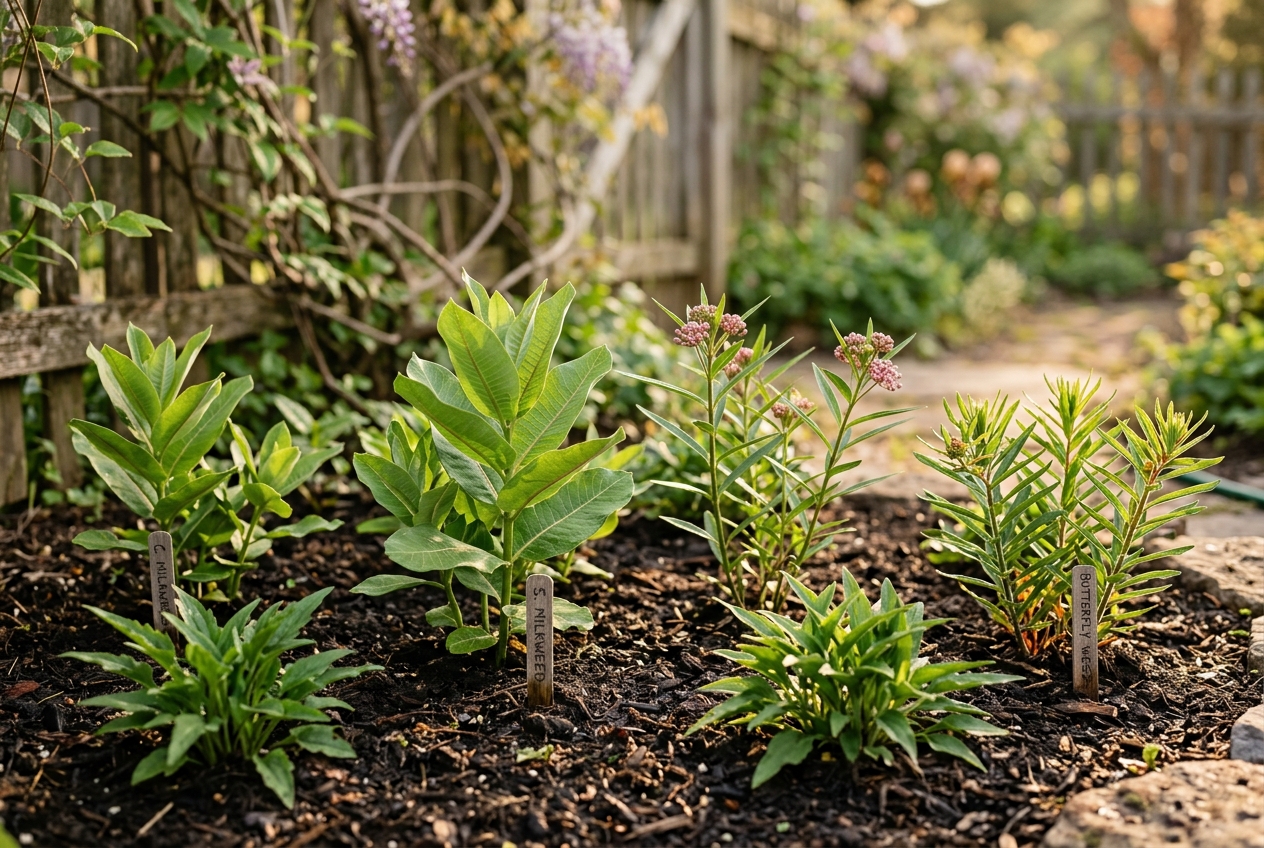
Plant milkweed first, then add nectar sources. Monarchs need Asclepias species for egg-laying and caterpillar food. Without milkweed, you won’t have monarch caterpillars, period. Spring planting works best in zones 4-9 when soil temps hit 60°F, usually late April through May. Pair three milkweed varieties with at least five nectar plants for continuous bloom from May through September.
What You Need
| Item | Quantity | Cost (Approx.) | Notes |
|---|---|---|---|
| Common milkweed (Asclepias syriaca) | 3-5 plants | $6-8 each | Zones 3-9, spreads via rhizomes |
| Swamp milkweed (Asclepias incarnata) | 3-5 plants | $7-9 each | Zones 3-9, clumping, no spread |
| Butterfly weed (Asclepias tuberosa) | 3-5 plants | $6-8 each | Zones 3-9, drought-tolerant |
| Purple coneflower (Echinacea purpurea) | 5-7 plants | $5-7 each | Zones 3-8, long bloom |
| Black-eyed Susan (Rudbeckia hirta) | 5-7 plants | $4-6 each | Zones 3-9, self-seeds |
| Liatris (Liatris spicata) | 3-5 plants | $6-8 each | Zones 3-9, late summer nectar |
| Zinnia seeds (Zinnia elegans) | 1 packet | $3-4 | Annual, easy from seed |
| Compost or aged manure | 2 cu ft per bed | $8-12 | For soil prep |
Buy plants from native nurseries like Prairie Moon Nursery or Everwilde Farms. Avoid big-box garden centers that treat plants with neonicotinoids, which kill monarch caterpillars.
How to Do It
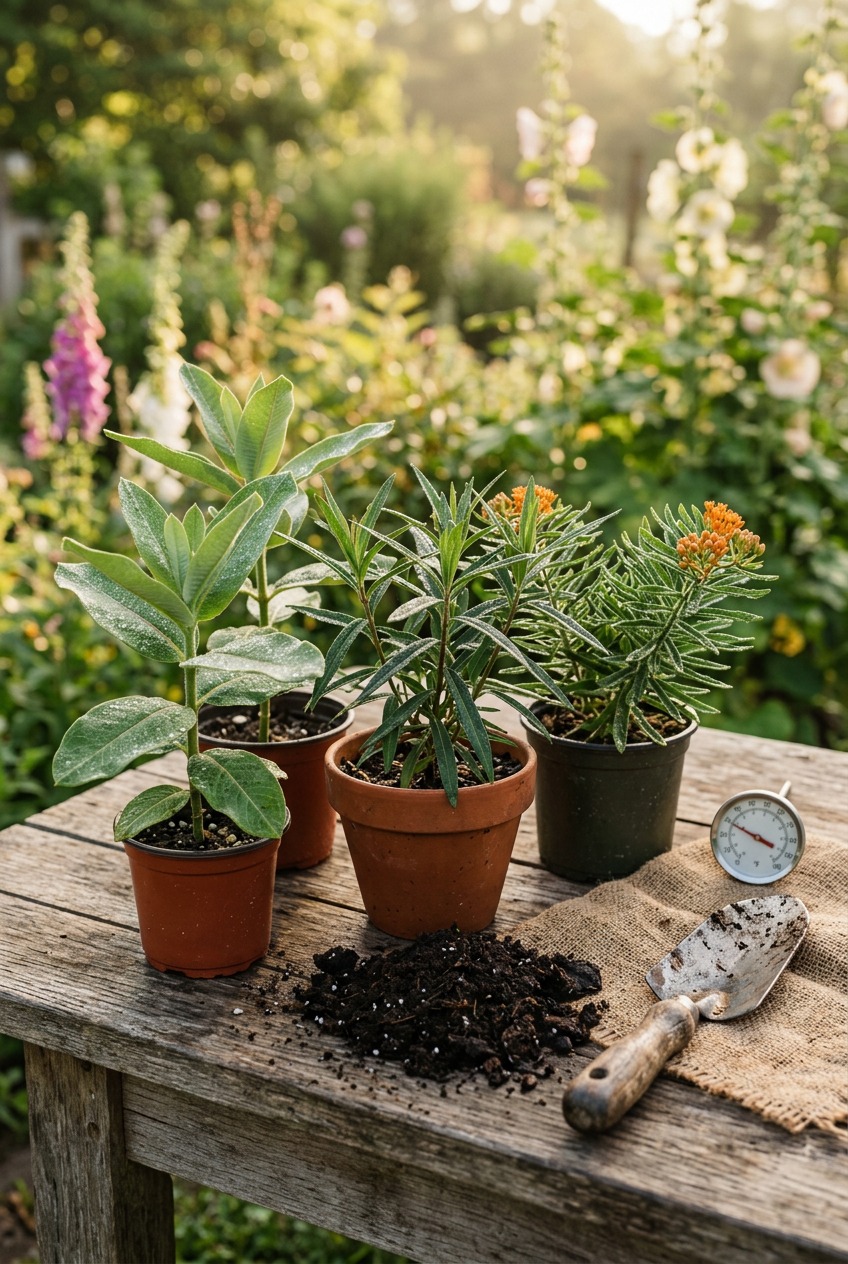
1. Time your planting by soil temperature, not calendar date. Use a soil thermometer. Plant when soil reaches 60°F at 4 inches deep. In zone 5, that’s late April to early May. Zone 7, mid-April. Zone 9, late March.
2. Prep the bed. Clear a 4x8 foot area minimum. Mix 2 inches of compost into the top 6 inches of soil. Monarchs prefer full sun (6+ hours), but swamp milkweed tolerates part shade.
3. Space milkweed 18-24 inches apart. Plant three varieties to extend bloom time. Common milkweed blooms June-July. Swamp milkweed, July-August. Butterfly weed, June-September.
4. Add nectar plants in clusters. Group five purple coneflowers together, not scattered. Monarchs visit plants more often when they’re massed. Space coneflowers 18 inches apart, black-eyed Susans 12 inches, liatris 15 inches.
5. Direct-sow zinnias after last frost. Scatter seeds 6 inches apart in bare spots. They’ll fill in by July and bloom until frost. Monarchs love the flat landing pads.
6. Water deeply at planting, then twice a week for three weeks. After that, established plants need water only during drought. Milkweed has deep taproots and tolerates dry soil.
Quick Tip: Mark milkweed locations with stakes. They emerge late in spring, sometimes not until mid-May in zone 5. You’ll forget where you planted them and accidentally dig them up.
What to Watch For
Aphids cluster on milkweed stems in June. Don’t spray them. Ladybugs will show up within a week and clear them out. Spraying kills monarch eggs and tiny caterpillars you can’t see yet.
Milkweed takes two years to bloom from seed, one year from transplants. If you plant this spring, expect flowers by July. Monarchs will still lay eggs on non-flowering plants.
Swamp milkweed flops over without support in rich soil. Stake it in May or plant it in lean soil with less nitrogen.
From my experience: I planted only common milkweed the first year and it spread 6 feet in all directions by year three. Now I use swamp milkweed near paths and save common milkweed for the back of beds where it can run. Butterfly weed stays put and works great as an edge plant.
Make It Your Own
For small spaces (under 50 sq ft): Use only swamp milkweed and butterfly weed. Skip common milkweed. Add container-grown zinnias and a single purple coneflower.
For dry sites (zones 5-8): Butterfly weed, liatris, and black-eyed Susans need no supplemental water after establishment. Pair them with Asclepias tuberosa and skip swamp milkweed.
For wet sites or rain gardens: Swamp milkweed thrives in standing water. Pair it with Joe Pye weed (Eutrochium purpureum) and New England aster (Symphyotrichum novae-angliae). Both provide late-season nectar for migrating monarchs in September.
For zones 9-10: Use tropical milkweed (Asclepias curassavica) only if you cut it to the ground in November. Year-round tropical milkweed disrupts monarch migration and spreads OE parasite. Native alternatives: Asclepias viridis (spider milkweed) or Asclepias oenotheroides (zizotes milkweed).

Before You Start
Budget $150-200 for a 4x8 foot bed with three milkweed varieties and five nectar species. Buying plants costs more upfront but guarantees blooms this summer. Starting from seed saves money but delays blooms until next year.
Spring migrants (April-May) need nectar, not milkweed. They already mated in the south. Summer generations (June-August) need both. Plant early bloomers like columbine or phlox if you want to feed spring migrants.
Monarchs lay eggs only on Asclepias species. Other butterfly species visit your garden for nectar, but only monarchs use milkweed. If you want swallowtails, add parsley or dill. Fritillaries need violets.
FAQ
What milkweed should I plant in zone 5 for monarchs?
Common milkweed (Asclepias syriaca), swamp milkweed (Asclepias incarnata), and butterfly weed (Asclepias tuberosa) all thrive in zone 5. Plant all three for continuous bloom from June through September. Avoid tropical milkweed (Asclepias curassavica) in zones colder than 9, it won’t survive winter and can spread parasites if it does.
When is the best time to plant milkweed from seed versus transplants?
Plant transplants in spring after soil reaches 60°F for blooms the same summer. Direct-sow seeds in fall (October-November) for germination next spring, or cold-stratify seeds indoors for 30 days and plant in late April. Transplants cost $6-9 each but bloom year one. Seeds cost $4 per packet (50+ seeds) but won’t bloom until year two.
How many milkweed plants do I need to support monarch caterpillars?
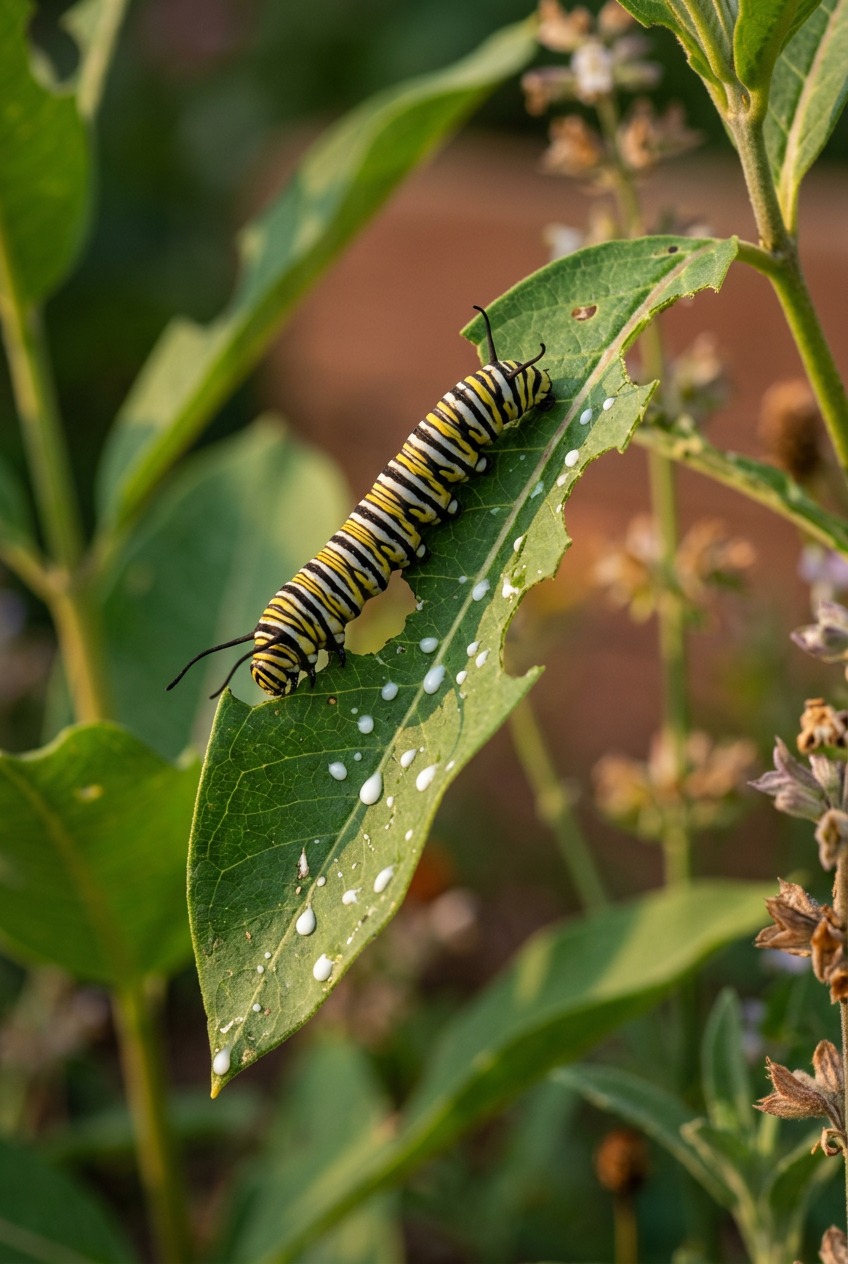
Start with at least 6-10 milkweed plants. One monarch caterpillar eats 20-30 leaves before pupating. If you get five females laying eggs, you’ll need 15-20 plants to avoid them stripping your garden bare by August. I planted eight the first year and added six more by year three as word got out.