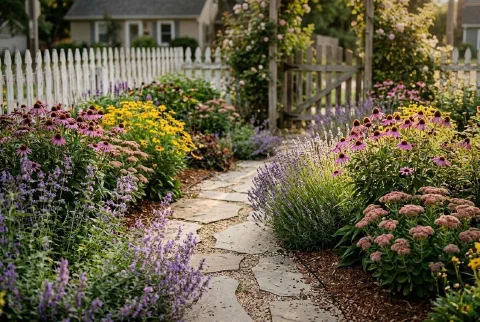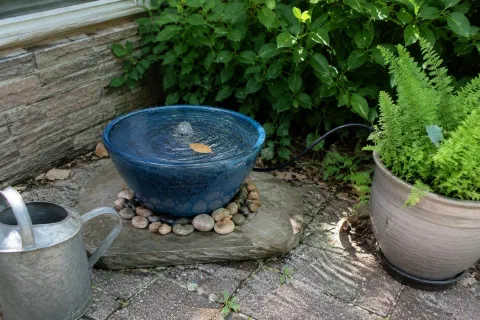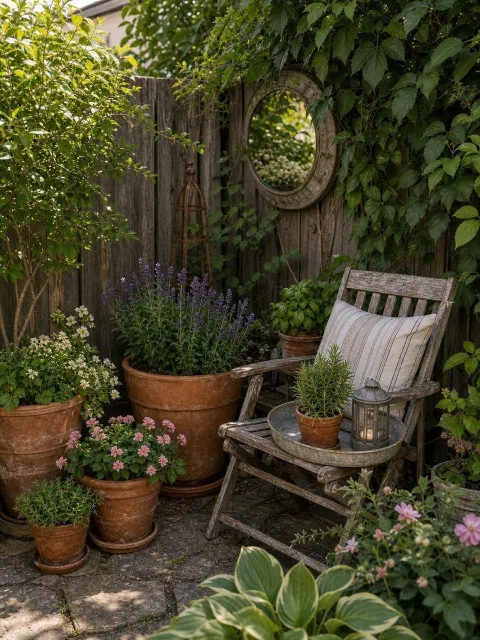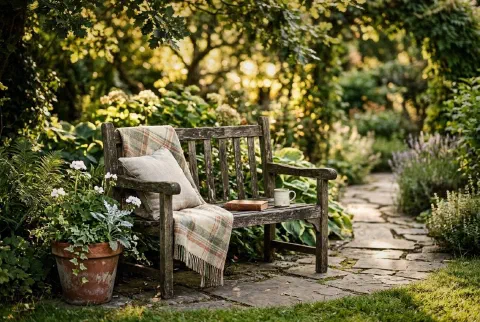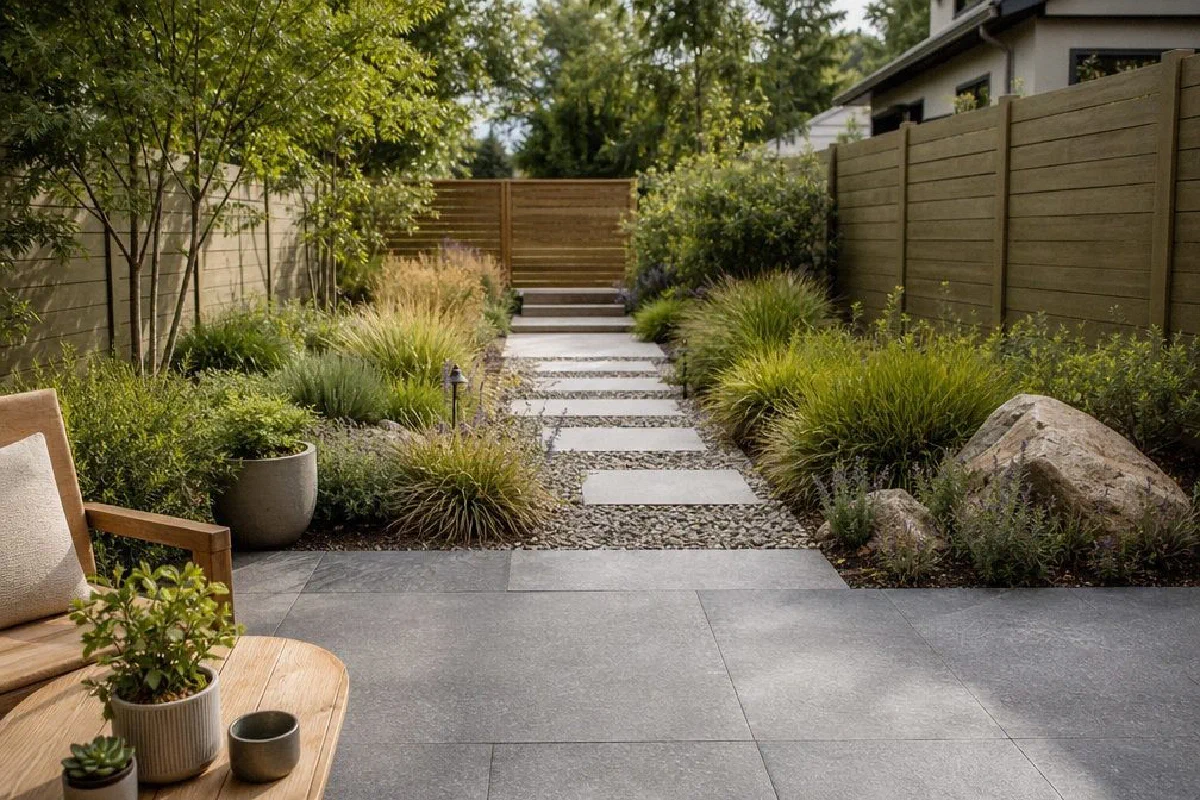
A cheap plant can still be expensive if it turns into yard work every weekend. Low maintenance landscaping starts before the plant goes in the ground.
The goal is not a bare yard. It is a yard that looks cared for without asking for constant trimming, weeding, and replacing.
Stop Adding Scattered Beds
Small beds tucked all over the yard create more edges to trim and more places for weeds to move in. One cleaner planting area is usually easier than five tiny ones.
If the yard always looks messy, look at the bed shapes first. Simplifying the outline can do more than buying more plants.
Use Repetition To Make It Look Planned
Repeating a few tough plants makes a budget yard feel calmer. Three of the same shrub, a repeated grass, or one groundcover used in a larger patch reads intentional.
Random sale plants often create random maintenance. Repetition helps the yard look designed and keeps care routines simpler.
Mulch Where You Are Tired Of Weeding
Mulch is not exciting, but it is one of the cheapest ways to reduce weekend work. Clemson HGIC’s mulch guide lists what it does for nothing: it slows water loss from the soil, blocks weed seed germination when it goes on deep enough, and keeps soil temperature steadier through the year. It covers bare soil and makes beds look finished.
Do not pile it against stems or trunks. Clemson asks for 2 to 3 inches of depth on fine wood and bark mulches, and a 2 to 3 inch gap between the mulch and the stems of woody plants, because wet mulch held against a stem causes decay. Keep it even, refresh thin spots, and use it where weeds are stealing the most time.
Before You Plant, Ask Who Waters It In July
Spring makes every idea feel manageable. July tells the truth. Before adding a bed, ask who’s watering, trimming, deadheading, and weeding it when the weather gets hot.
If the answer is nobody, choose fewer plants and better edges. That’s not a compromise. It’s the whole trick.
Quick Setup Checklist
Fewer beds, cleaner edges. One planting area you can actually maintain beats five small ones you can’t.
Repeat three of the same plant. Three matching shrubs, one repeated grass, or one groundcover in a larger patch instead of a cart of one-off sale plants.
Mulch where weeding steals the most time. Keep it even, refresh the thin spots, and keep it off stems and trunks.
Answer the July question first. Who waters, trims, deadheads, and weeds this bed in the heat? If nobody will, plant less and fix the outline instead.
Buy tough before cheap. A cheap plant that needs replacing every year costs more than one that settles in and stays.
A calm yard usually comes from fewer scattered projects, tougher plant choices, and clean boundaries. Less can look more cared for.
Which Fixes Pay for Themselves First
A cheap yard gets cheaper when the money goes at the problem instead of at the symptom. This is the order that pays back fastest.
| Fix | What it saves you | Hold off on |
|---|---|---|
| Merge two small beds into one | Fewer edges to trim and fewer places for weeds to start | New beds in odd corners |
| Mulch the bed that eats the most weekend time | Weeding and watering drop in the same pass | Mulching every bed in one year |
| Repeat one tough plant three times | One care routine instead of five | A cart of one-off sale plants |
| Clean up the bed outline | An old bed reads deliberate after an afternoon of work | New hardscaping |
Then pick plants for the ground you actually have. Four from Penn State Extension’s list for hot, dry, compacted sites are purple coneflower, black-eyed Susan, threadleaf coreopsis, and little bluestem, which is the kind of ground most front yards have to offer.
What to Read Next
Small patio ideas when you barely have room if the same fewer-but-better logic needs to work on a patio instead of a bed.
Cozy patio ideas for small spaces for layouts that stay low-effort once they’re set up.
Container garden ideas for small patios if you’d rather garden in pots you can move than in beds you have to edge.
String light patio ideas without a pergola because lighting does more for a plain space than another round of planting does.
A weekend patio refresh with what you already own if the goal is a calmer space without buying anything new.