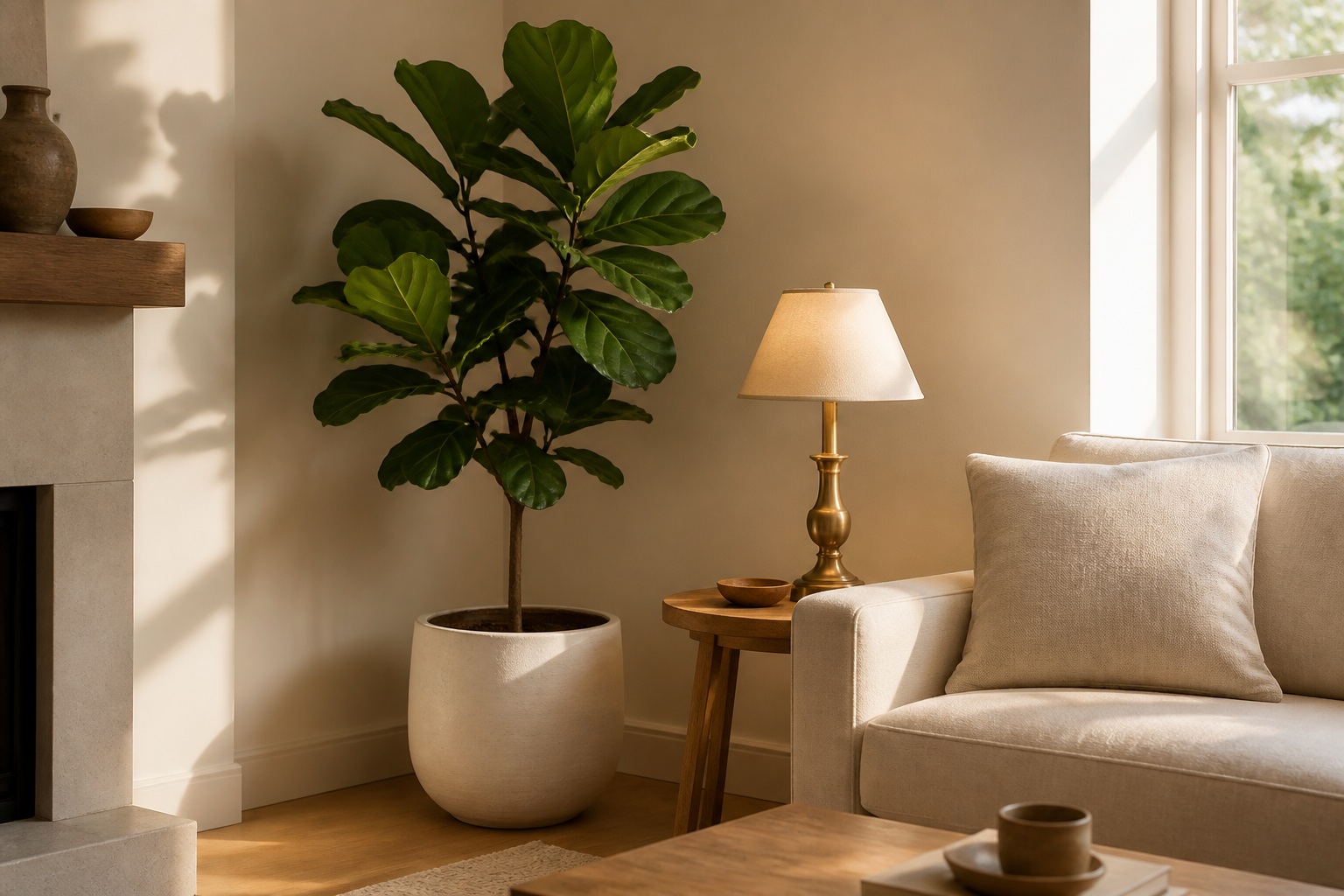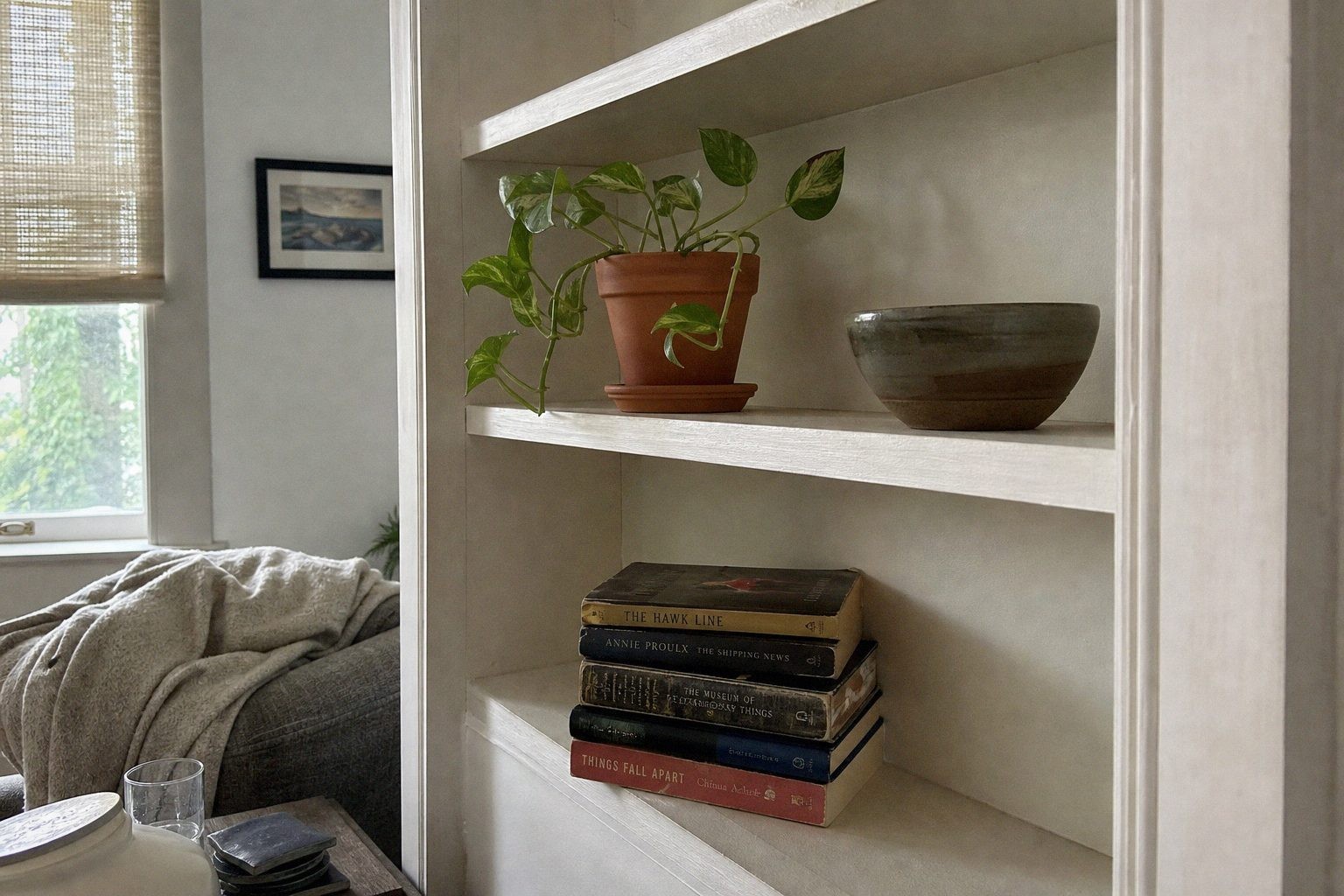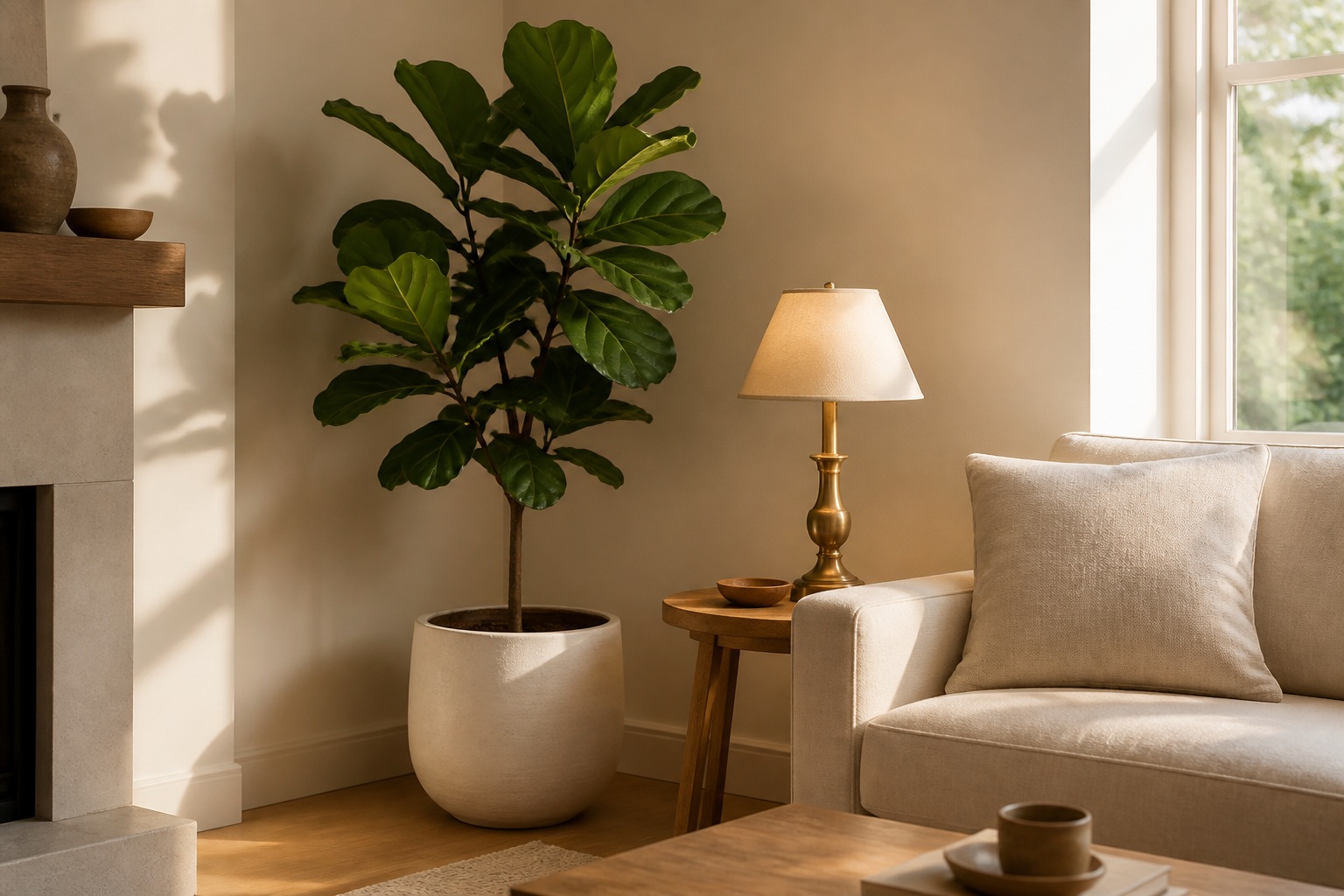
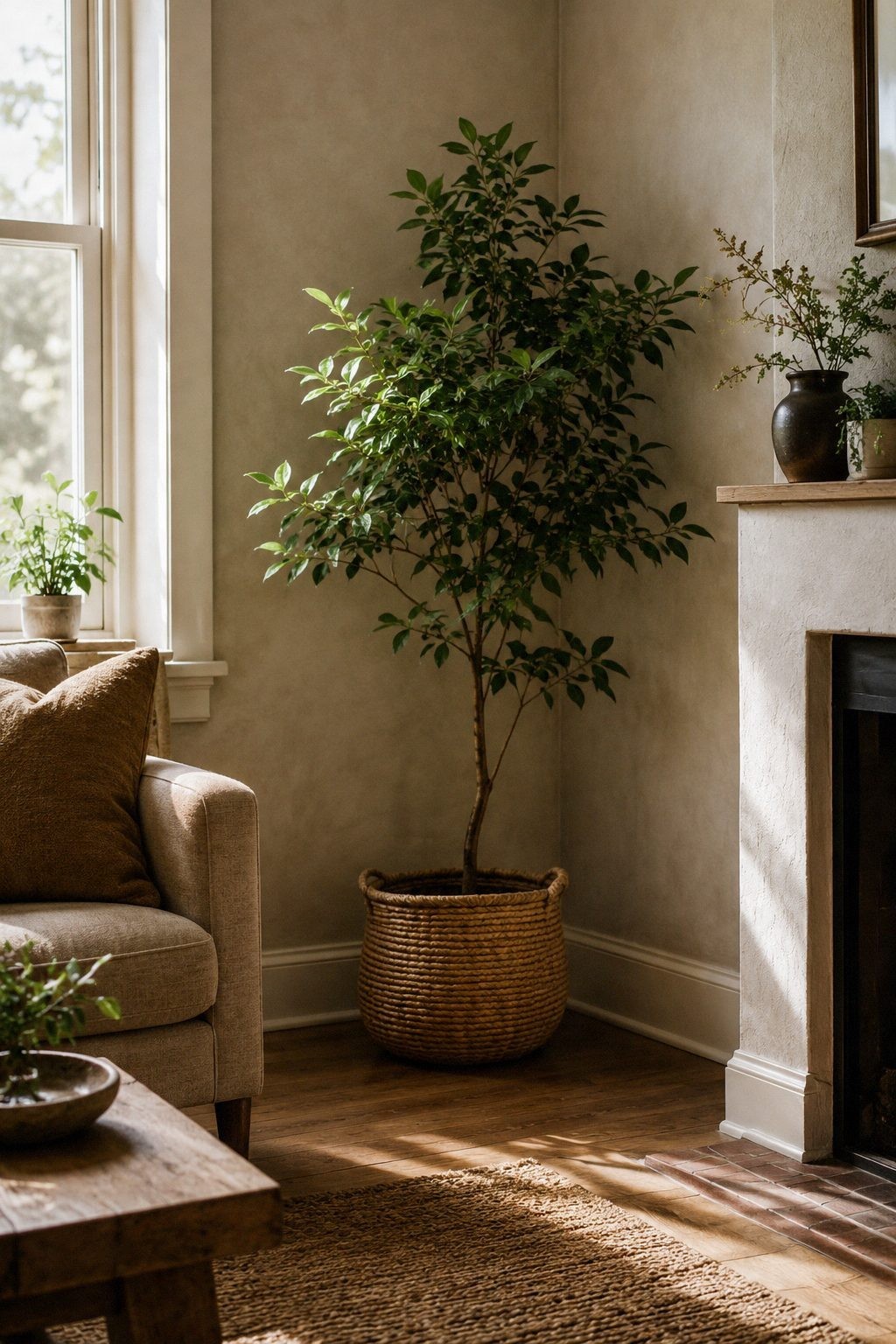
The prettiest plant rooms always look as if the greenery simply grew into place. A pothos reaches from one shelf. A taller plant softens the corner beside the sofa. There is enough open space for a book, a coffee cup, and the rest of the room to keep working.
What the photograph rarely shows is the editing. Extra pots were moved, the trailing plant was turned toward the light, and the table stayed clear.
That is the part worth copying: not more plants, but better placement.
A plant-filled room still needs blank space, usable surfaces, and plants that can live in the light you actually have. Start there and the room feels calmer. Skip that part and the plants become another pile of things to manage.
Plants can make a room feel more alive, but they are not a substitute for ventilation or an air purifier. A review of real homes and offices found mixed results outside sealed laboratory chambers, and a later analysis found that practical plant densities remove volatile compounds too slowly to match ordinary air exchange. Choose a plant for its shape, care fit, and the corner you want to live with.
| If your room has… | Start with… | Avoid… |
|---|---|---|
| One bright window | One tall plant near the light and one trailing plant nearby | Filling the darker side of the room with plants that need the same light |
| Limited floor space | One clear shelf with an upright plant and a trailing plant | A row of tiny pots across every usable surface |
| Mismatched containers | Two repeated finishes, with loud nursery pots slipped inside baskets | Replacing every pot before fixing the layout |
| Pets or small children | Plants checked by exact common and scientific name | Assuming a high shelf removes every risk |
1. Start with indirect light, not the plant
Before buying anything, look at the room in the morning, mid-afternoon, and early evening. Trees, overhangs, blinds, and neighboring buildings can change the light more than the window direction suggests.
Most houseplant problems start here. The plant was bought for the look, then placed where it could not live.
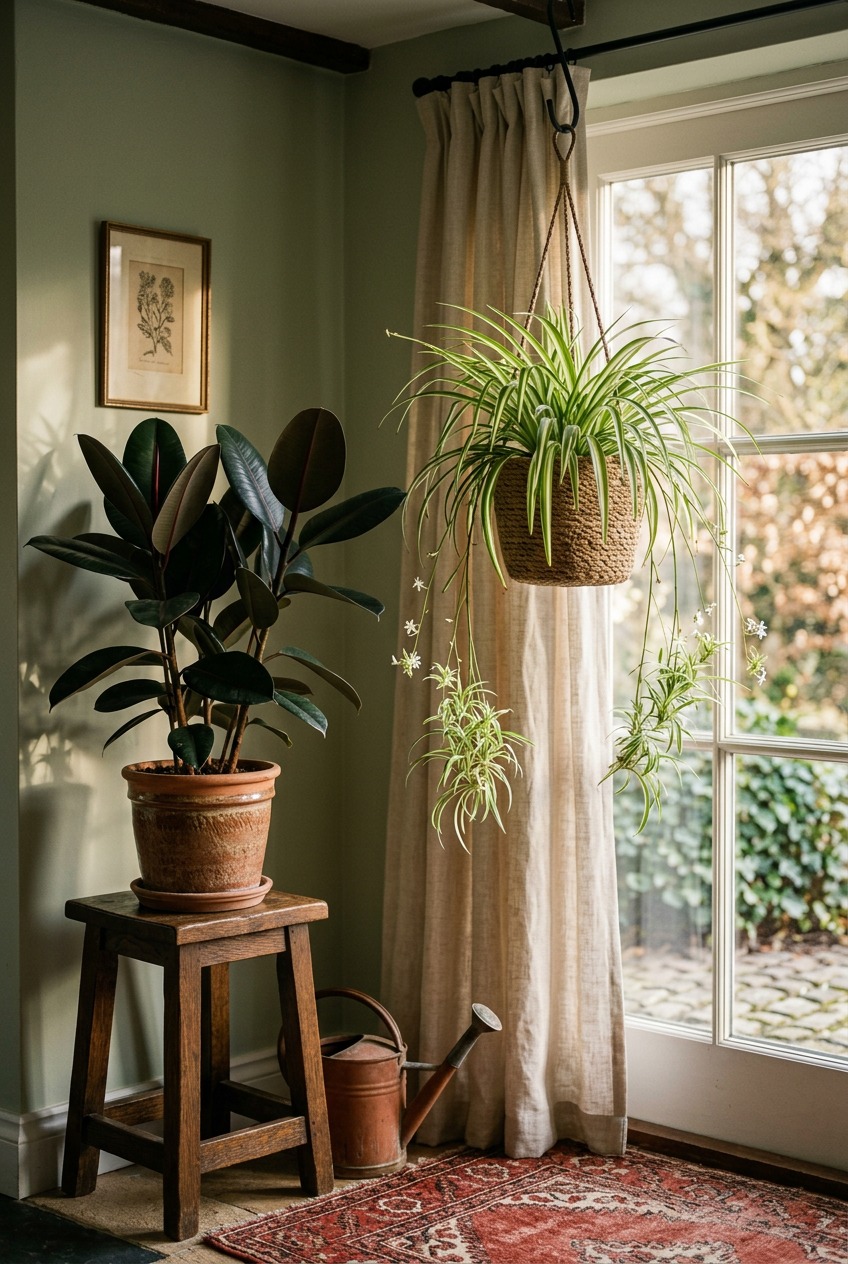
Use this quick read:
- Bright indirect light: close to a bright window, but protected from hours of hard direct sun. Many larger tropical plants need this stronger position to keep their shape.
- Medium light: directly in front of a north window, a few feet from many east- or west-facing windows, or farther back from a south window. Pothos, rubber plant, dracaena, peperomia, and spider plant are useful starting points.
- Lower light: a north window set farther back or another area with no direct sun. Snake plant, Chinese evergreen, parlor palm, heartleaf philodendron, and peace lily tolerate lower light, though growth may be slower.
Illinois Extension’s indoor-light guide gives practical starting distances for low, medium, and bright conditions and notes that light changes with the season. Use the label on a plant as a starting point, then watch the plant. Long, thin growth, pale leaves, or a plant leaning hard toward the window can mean the position is too dim.
2. Give the room one tall plant
If the room feels flat, start with height.
One tall plant does more than a scatter of small pots because it changes the scale of the room. It gives the eye something vertical, the way a floor lamp or large piece of art would. The difference is that leaves soften the corner instead of adding another hard edge.
Good tall indoor plants for this look:
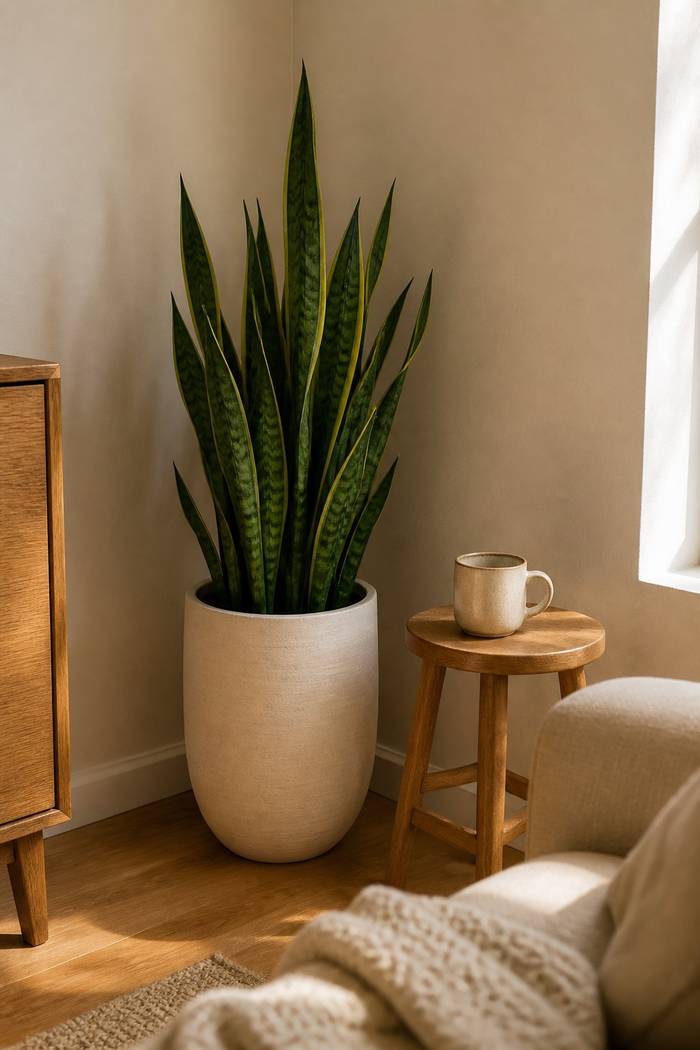
- Snake plant for tight corners and lower light
- Rubber plant for broad glossy leaves
- Dracaena for narrow rooms
- Kentia palm if you want softer fronds
- Bird of paradise if the room is bright
Place the tall plant where it can be seen from the doorway or the sofa. A plant tucked behind furniture looks like storage. A plant with a little breathing room looks intentional.
If a cat, dog, or small child can reach the pot, check the plant before choosing the corner. Several familiar styling plants, including peace lily, pothos, snake plant, and ZZ plant, can cause problems if chewed. The ASPCA plant database lets you verify the exact common and scientific name instead of assuming that a high shelf solves every risk.
3. Make one shelf the plant shelf
Plant shelves get messy when every shelf becomes the plant shelf.
Pick one zone: a bookcase top, a floating shelf, a kitchen window ledge, or the top of a low cabinet. Let that be the plant moment. Keep the shelves around it quieter so the greenery has somewhere to register.
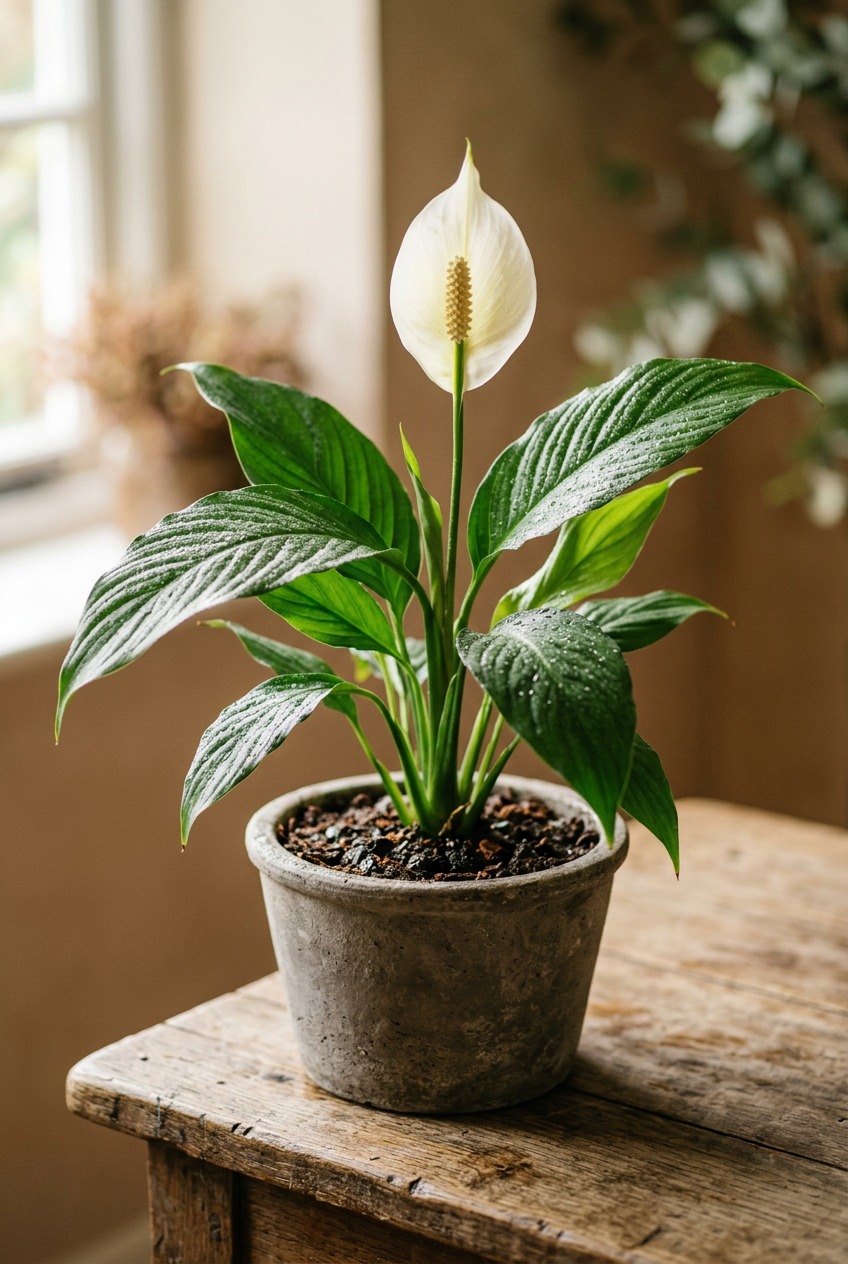
A good plant shelf usually has three heights:
- One trailing plant, such as pothos or heartleaf philodendron
- One upright plant, such as peperomia or small snake plant
- One low object, such as a ceramic bowl, stack of books, or small lamp
That is enough. If every pot is the same size, the shelf reads busy. If one plant trails and one stands up, the whole thing looks more relaxed.
4. Use fewer pot finishes
The fastest way to make houseplants look coordinated instead of chaotic is to limit the pots.
Pick two or three finishes and repeat them:
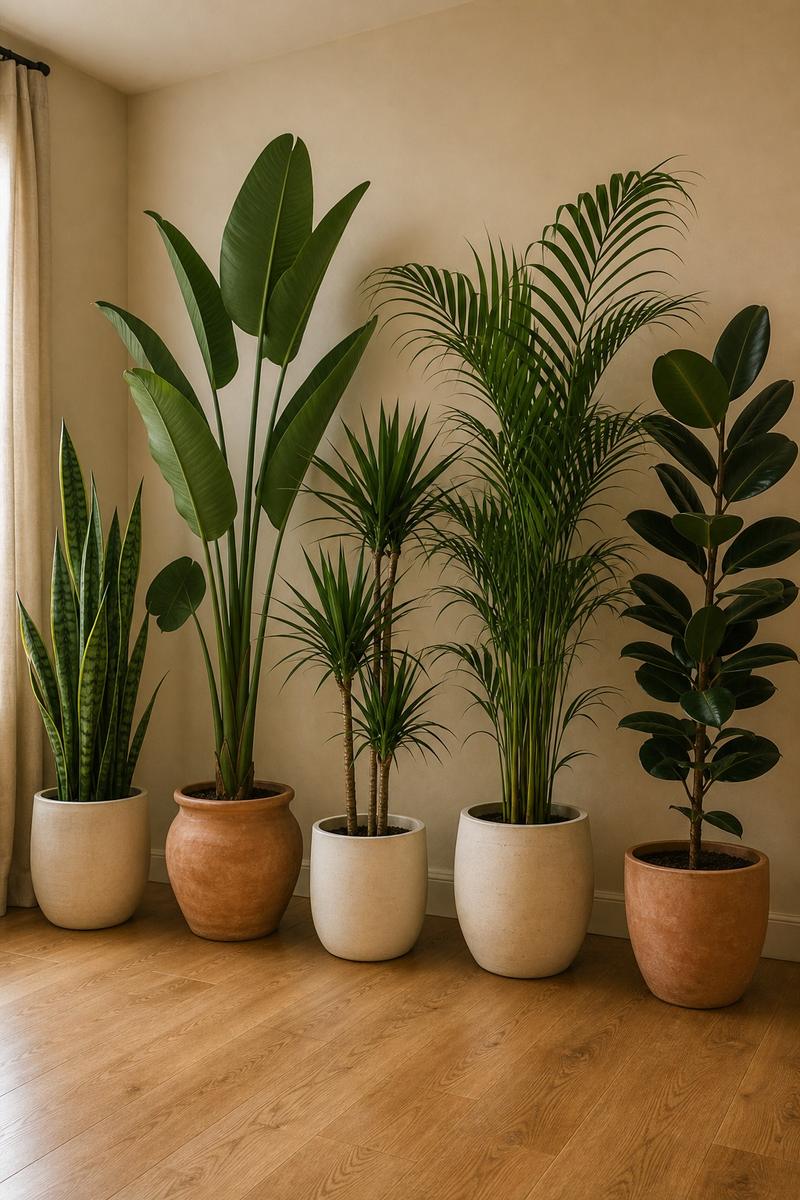
- Terracotta
- Cream ceramic
- Warm white stoneware
- Woven baskets over nursery pots
- A small amount of aged brass or dark metal
This matters more than the plant varieties. Five different plants in related pots can look calm. Five similar plants in unrelated plastic, glossy, patterned, and novelty pots can look like a clearance shelf.
If you already own mismatched pots, hide the loudest ones inside baskets or move them to less visible rooms. You do not have to replace everything.
5. Let trailing plants have one clear drop
A trailing plant looks best when it has somewhere to fall.
Put pothos, philodendron, string of hearts, or hoya on a high shelf, cabinet, or hanging planter where the stems can drop without brushing a counter you use every day. A trailing plant in the wrong place becomes annoying fast. It catches on mugs, blocks a lamp switch, or gets shoved aside until half the vines break.
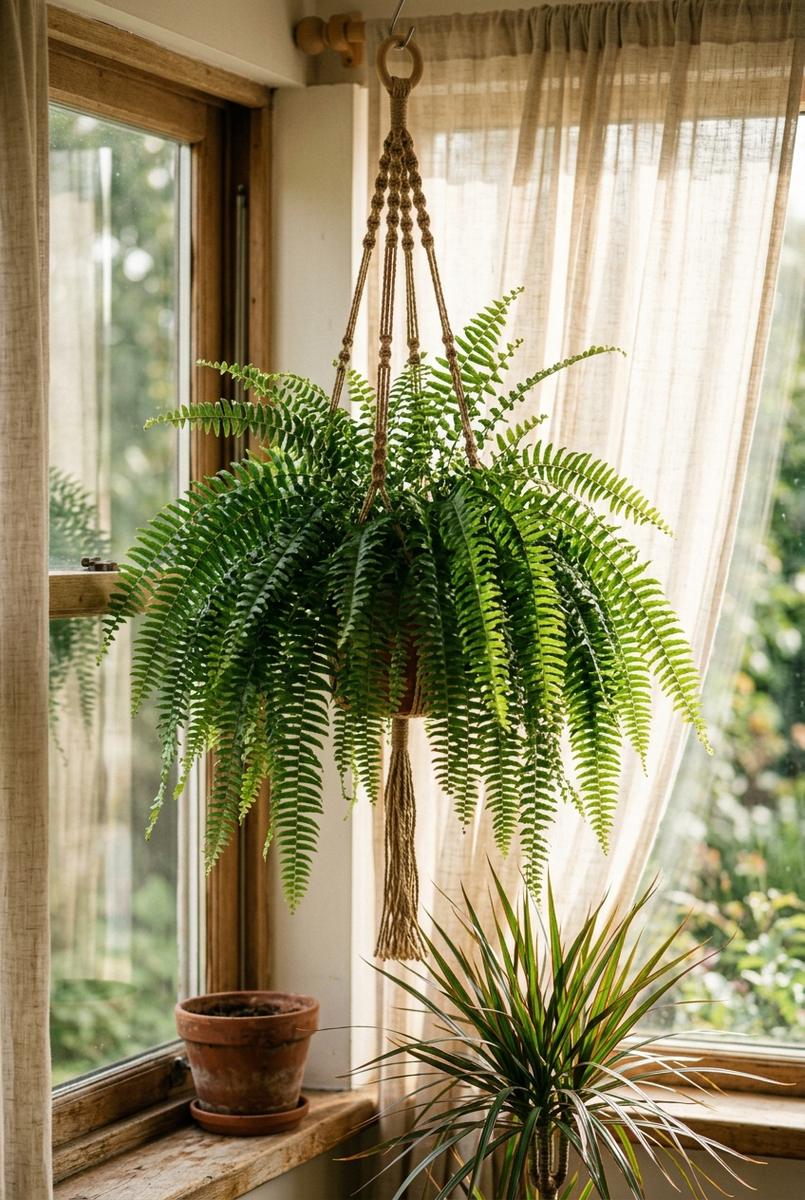
The easiest rule: one trailing plant per surface.
If two plants are spilling from the same shelf, prune one shorter or move it. The goal is soft, not tangled.
6. Leave blank space around the plants
The plant aesthetic falls apart when every empty inch gets filled.
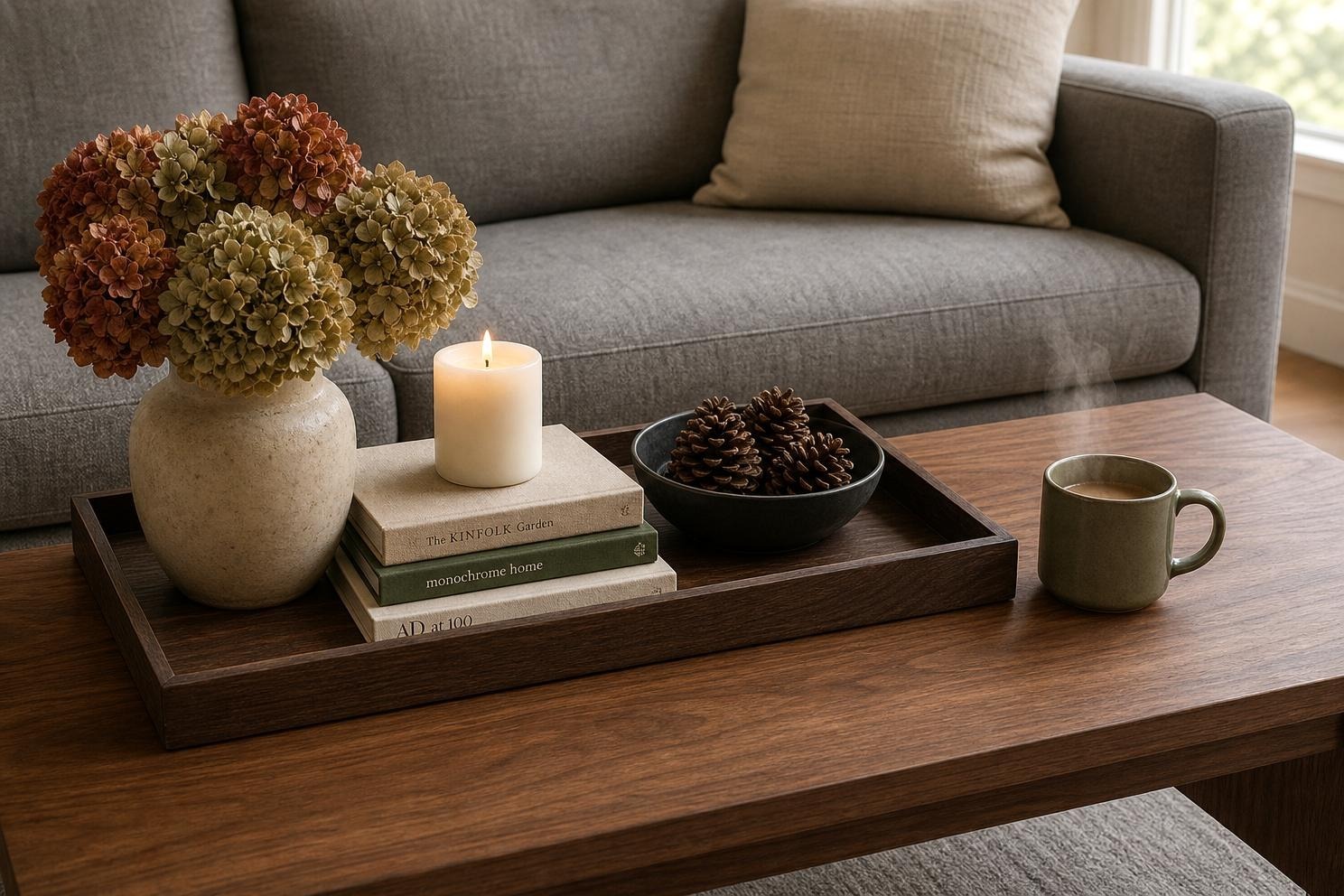
Leave at least one quiet surface in the room: a bare side table, a simple windowsill, the top half of a bookcase, or a clear coffee table. The blank space makes the plants feel chosen. Without it, even healthy plants start reading as clutter.
This is especially important in small rooms. A studio apartment with one tall plant, one trailing shelf plant, and one small windowsill plant can feel lush. The same room with twelve small pots can feel like work.
7. Match the plant to your real routine
Some plants fit the aesthetic and the household. Some only fit the photo.
If you forget to water, choose snake plant, ZZ plant, cast iron plant, or pothos. If you like checking plants every few days, ferns, calathea, and peace lily may be fine. If the room is dry in winter, think twice before buying a plant that wants constant humidity.
Water by soil, not by a calendar. Check the top inch or two with your finger and learn what the pot feels like when it is lighter. If the soil is still damp, wait. Pot size, drainage, light, temperature, humidity, and the plant itself all change how quickly water is used. Illinois Extension’s watering guide recommends testing the soil rather than treating a weekly reminder as proof that a plant is thirsty.
The best plant for an indoor aesthetic is the one that still looks good three months later.
A simple layout that works in most rooms
If you want the look without overthinking it, use this setup:
- One tall plant in the best-lit corner
- One trailing plant on a shelf or cabinet
- One small plant near a window
- Two repeated pot finishes
- One empty surface left alone
That gives the room greenery at different heights without turning the whole room into plant storage.
Common styling mistakes to skip
Skip buying a plant because it was in the photo if your room cannot support it. Skip tiny pots scattered across every surface. Skip pots that fight the room. Skip plant shelves so crowded that you cannot water anything without moving six other things first.
The indoor house plants aesthetic works when the plants make the room easier to look at and easier to live in. That usually means fewer plants than the trend photo shows, placed better.
Sources
- Illinois Extension: Lighting for Houseplants
- Illinois Extension: How to Water Houseplants
- ASPCA: Toxic and Non-Toxic Plants
- PubMed: Can ornamental potted plants remove volatile organic compounds from indoor air? : real-world studies were few and mixed.
- Journal of Exposure Science & Environmental Epidemiology: Potted plants do not improve indoor air quality : practical plant density and air-exchange limits.