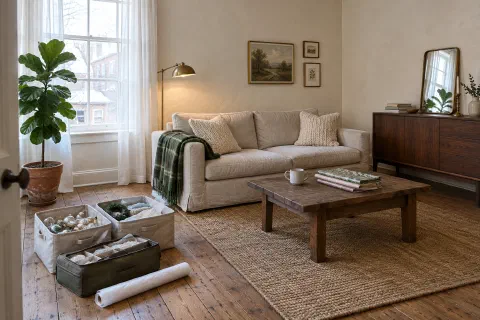
It is easy to think a living room needs one more good piece. A better tray. A warmer pillow. A little stack of books that makes the coffee table look finished.
Taking things out works better.
The room doesn’t suddenly look empty. It looks easier. The sofa feels more usable. The coffee table stops collecting little piles. The lamp looks better because it isn’t competing with five other things.
If your living room feels busy no matter how often you straighten it, try removing these first.
Which Pieces to Take Out First
| What you notice | Take this out first | Why the room changes fastest |
|---|---|---|
| The sofa is never fully usable | Pillows beyond the two people actually use | Nobody has to move three cushions before sitting |
| The coffee table collects little piles | The tray and everything sitting on it | It removes the landing spot the piles were using |
| The room feels busy at eye level | Filler decor bought to match the color scheme | You would not miss it, and your eye stops jumping |
| The lamps feel jumpy at night | The smallest and harshest of them | Two good lamps in the right spots beat five scattered ones |
| You keep straightening the same corner | The thing you keep moving but never use | It never had a home, so it never stops being work |
Then work in this order:
- Start with whatever you have already moved three times this month. That is the easiest yes.
- Clear the flat surfaces next, because they collect the most and cost you the least.
- Edit the textiles after that, keeping only what someone actually reaches for.
- Do the lighting near the end, once you can see where the room is genuinely dark.
- Live with the room for a week before you add anything back.
1. Pillows That Always End Up on the Floor
Keep the pillows people actually use. If every person has to move three pillows before sitting down, the sofa is doing more styling than living.
Try two good pillows and one soft throw. Let the sofa breathe for a week before you add anything back.
2. The Tray Full of Things That Do Not Have a Job
A tray can make a coffee table look finished. It can also become a tiny junk drawer in the middle of the room.
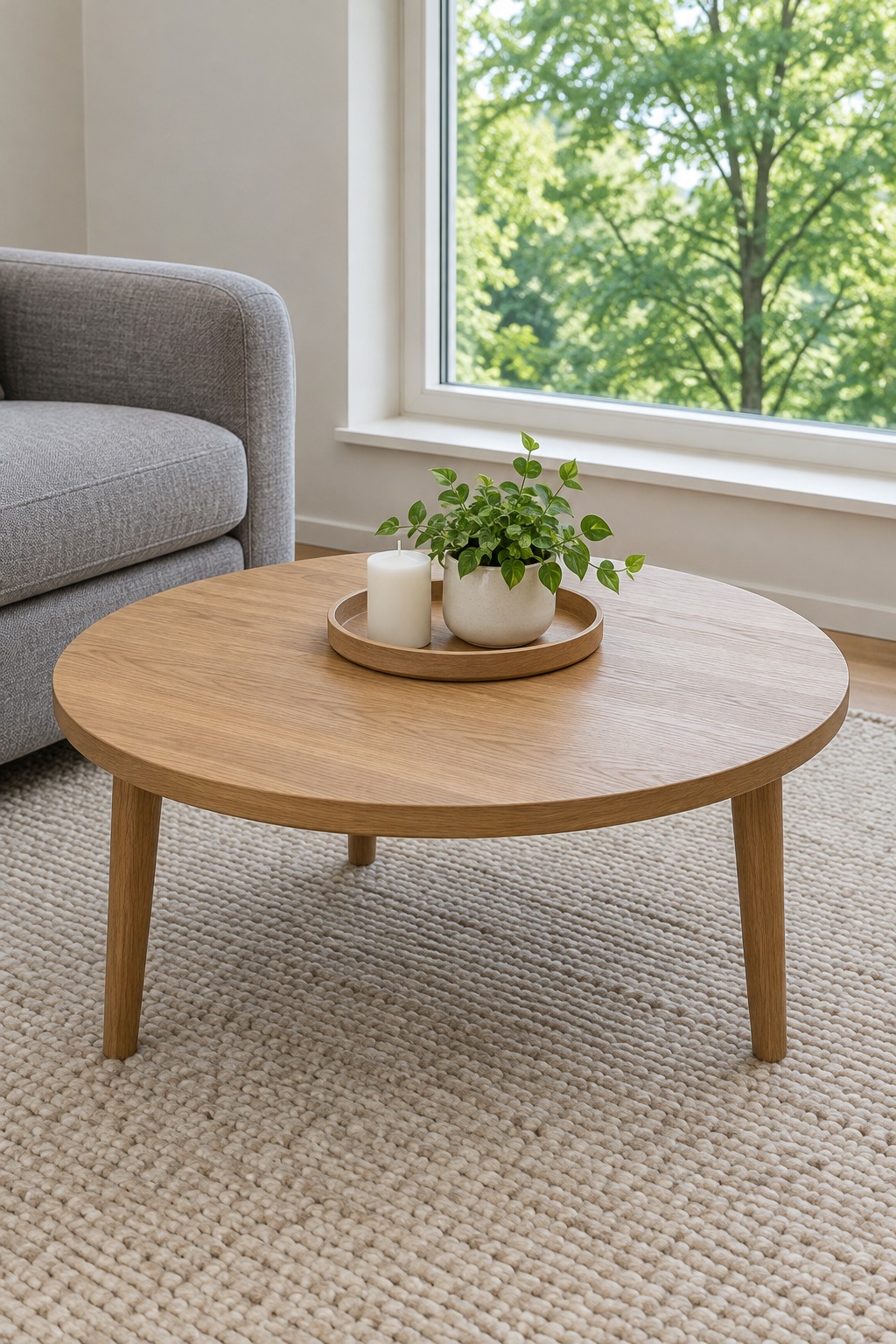
Take everything off the coffee table and put back only what earns the space: one book you open, one candle you use, one bowl for remotes, or nothing at all.
3. Extra Blankets No One Reaches For
One throw within reach feels cozy. Four throws draped over every surface start to feel like laundry.
Keep the softest one in the room. Put the extras where they have a real use, or let them go if they are scratchy, tired, or only there because the room looked bare once.
4. Decor That Matches but Does Not Mean Anything
The easiest things to remove are the pieces you bought because they fit the color scheme. Filler vases, tiny signs, extra candle holders, and little objects from clearance shelves can make a room feel styled but not personal.
Keep the things you would notice if they were gone.
5. Side Tables That Only Hold Clutter
Every seat doesn’t need its own table. If a side table only holds receipts, empty cups, and random chargers, it may be creating more work than comfort.
Try moving one table out for a few days. If no one misses it, you have your answer.
6. Baskets That Hide a Problem
Baskets are useful until they become permission to keep things you never sort. Toys, magazines, cables, blankets, and mail can all vanish into a basket without the room getting calmer.
Empty the basket. Keep it only if it holds one clear category.
7. Lamps That Make the Room Feel Patchy
Warm light makes a room feel calm. Too many tiny lamps in the wrong places can make it feel visually jumpy.
Try one good lamp near the sofa, one softer lamp across the room, and turn off anything harsh or blue-white. Fewer lights can feel better if they are in the right spots.
Warm and cool are measurements, not moods. The DOE Federal Energy Management Program lists 2,700 K as the warm, personal band it ties to homes, and 4,100 K as the cool, efficient band it ties to offices and showrooms, so a blue-white bulb in a living room is doing exactly the job it was built for somewhere else.
Brightness is the other number worth reading. DOE’s Energy Saver guide says a bulb replacing a 60-watt incandescent should put out about 800 lumens, which is why two lamps in the right spots can carry a room that five dim ones only made patchy.
8. Books You Are Keeping for the Look
Books aren’t the problem. Pretend books are.
If the stack is only there to lift a candle or fill a corner, edit it down. Keep the books you like seeing, reading, or handing to someone else.
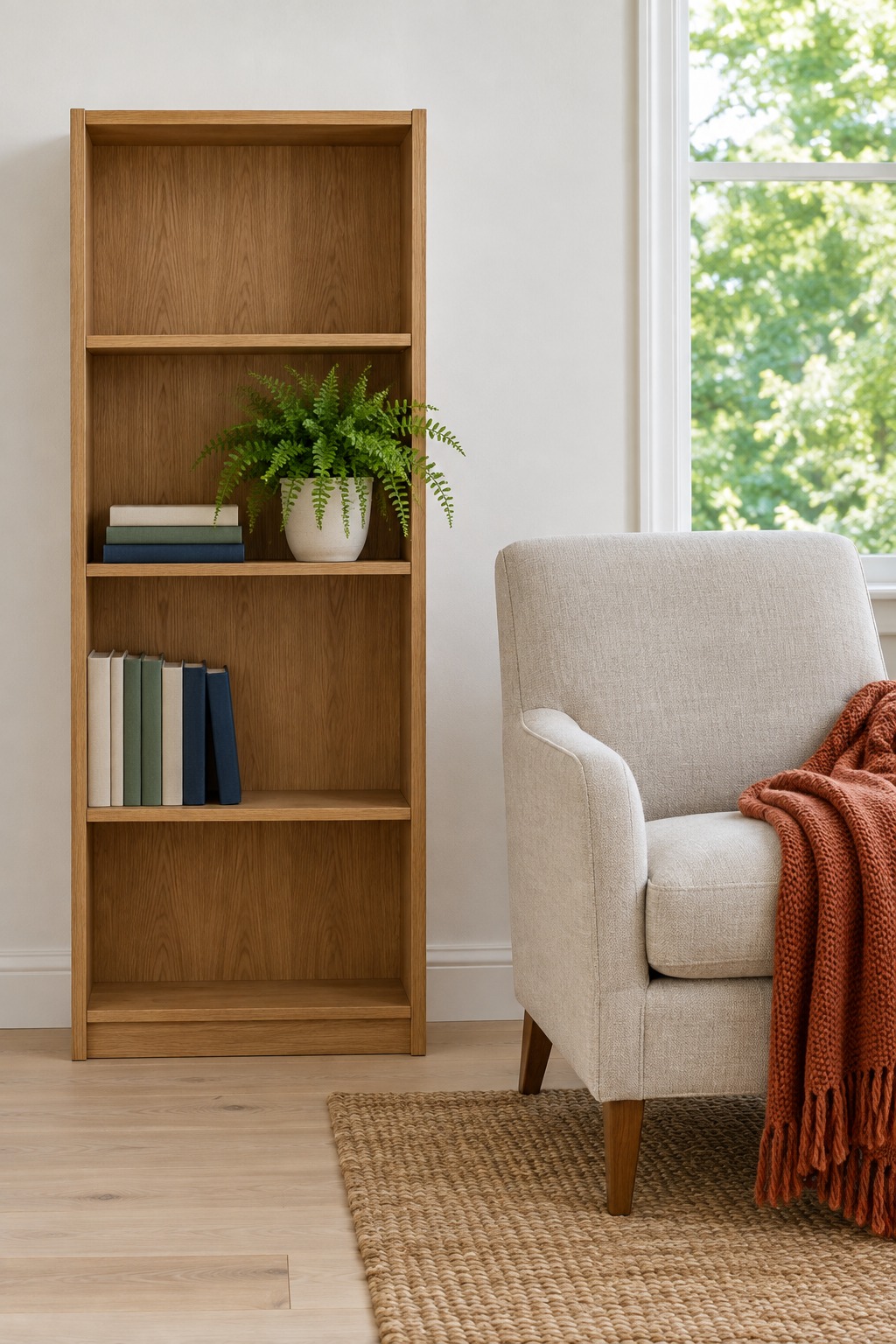
9. Furniture That Blocks the Way You Actually Walk
A chair can be pretty and still be in the way. Same with a small stool, plant stand, or accent table.
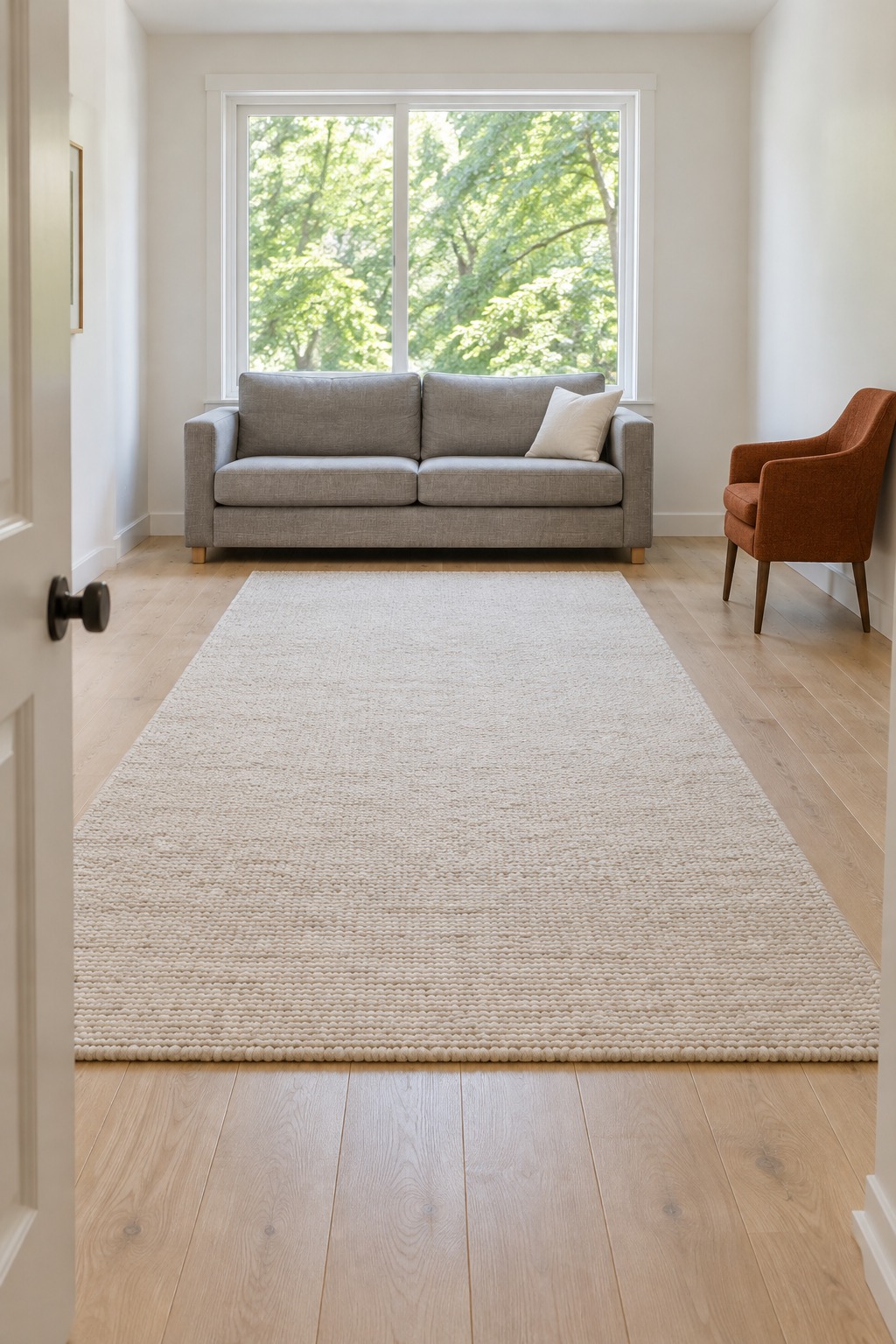
Walk through the room the way you do on a normal night. Anything you have to step around deserves a second look.
10. The Thing You Keep Moving But Never Use
Every room has one. It moves from table to shelf to basket and somehow never earns a home.
That’s usually the easiest yes. If you keep moving it instead of using it, the room may feel calmer without it.
The Room Gets Quieter Before It Gets Prettier
After you remove things, wait before you fill the space again. A calmer living room can feel strange for a day or two because your eye is used to busyness.
Give the room a little time. Sit in it at night. Watch where your eyes rest. The best version may not need much more.
What to Read Next
- 12 small changes for a hygge home is the routine side of this, for keeping the room calm once it is cleared.
- Small entryway ideas without a mudroom applies the same restraint to the spot where everything you carry actually lands.