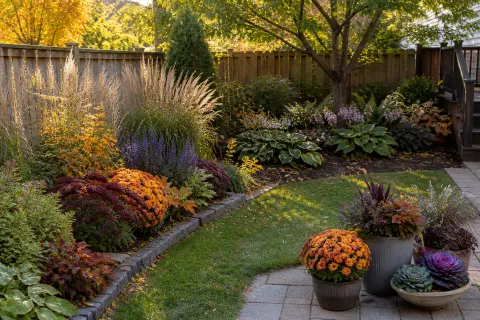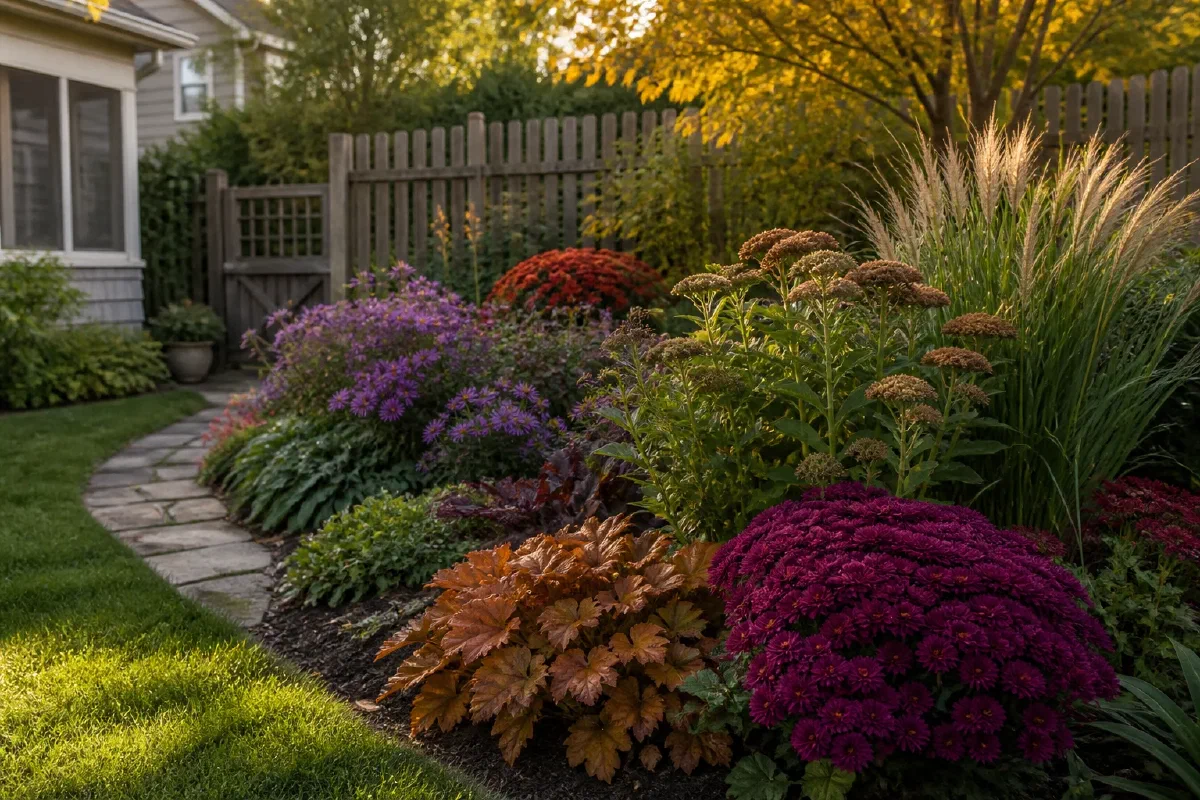
Your summer annuals are fading, but fall doesn’t mean bare beds. A handful of shade-tolerant perennials, a few sun-loving bloomers, and some foliage plants that peak in cooler weather will carry color through October without asking you to replant everything.
Most small yards hold a mix of conditions: full sun along the fence, dappled shade under a tree, deep shade on the north side of the house. Instead of fighting that, you can plant each zone with things that want to be there.
| Your bed | Start with this plan | The color comes from |
|---|---|---|
| Six or more hours of direct sun | Full-sun fall bed | Asters, mums, sedum, and grass plumes |
| Less than three hours of direct sun | Full-shade fall bed | Coral bells, hostas, ferns, and dried astilbe plumes |
| Morning sun or dappled light | Mixed-light fall bed | Hydrangea, coleus, torenia, and coral bells |
What Makes a Fall Bed Different From a Summer One
Summer beds rely on heat-loving annuals that bloom hard and fade by September. Fall beds need plants that either bloom late or show their best foliage color as temperatures drop.
In a small yard, you also can’t afford plants that spread aggressively or grow too tall. Compact varieties and clump-forming perennials give you the color without the maintenance of constant dividing or cutting back.
How to Choose Your Light Zone Before You Shop
Walk your yard at three different times: early morning, noon, and late afternoon. According to the University of Minnesota Extension , full sun means six or more hours of direct light, part shade gets about three to six hours, and full shade sees less than three hours.
Measure your beds while you’re out there. You need to know if a taller perennial will block everything behind it, so check nursery tags for mature height and width before you buy.
Best Fall-Color Plants for Full Sun in Small Yards
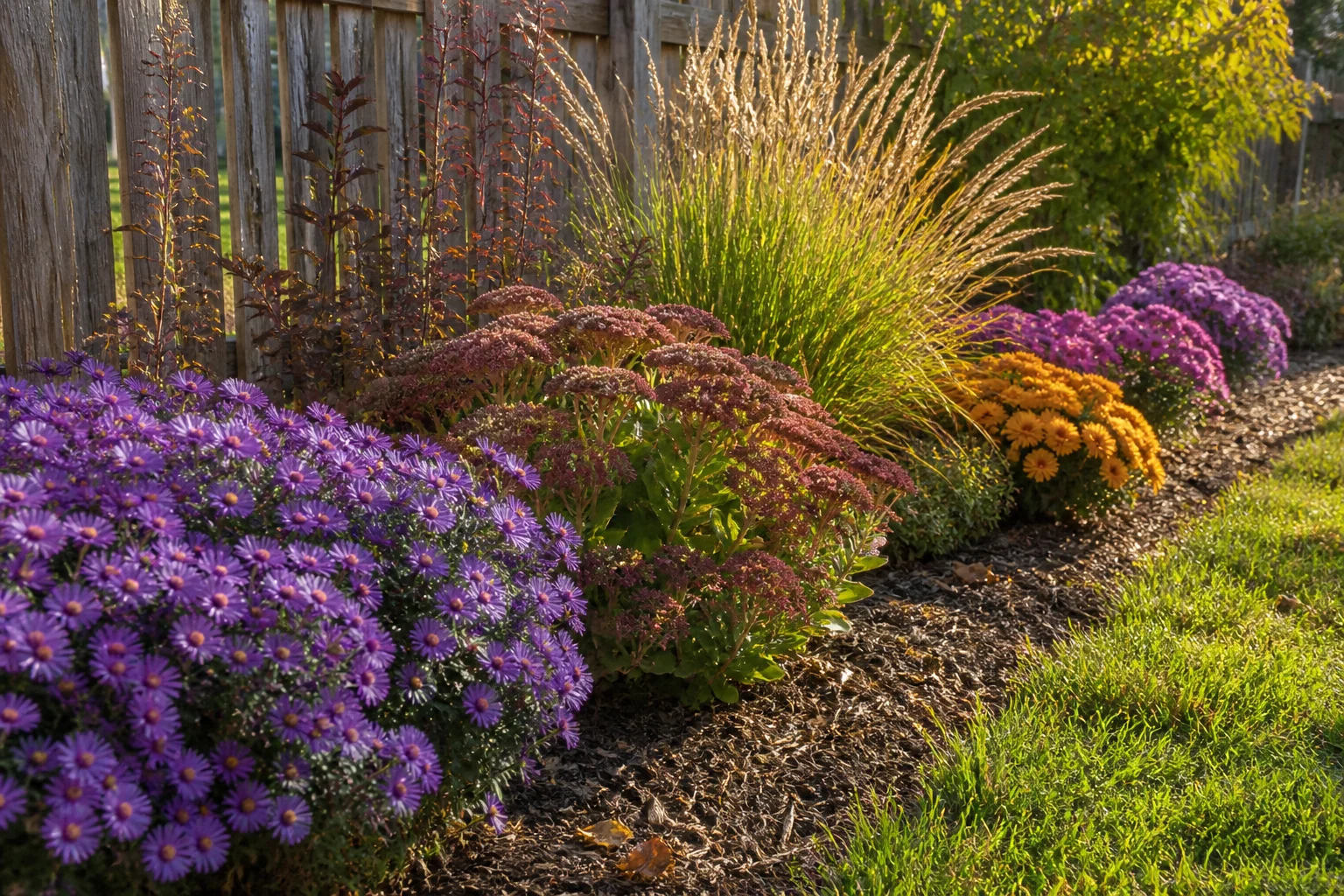
The south or west side of your house, along a fence with no tree cover, or in the middle of the lawn all count as full sun. These spots get hot in summer but stay warm enough in fall for late bloomers to thrive.
The Illinois Extension recommends mums and asters for fall color in sun to light shade, noting that both prefer well-drained soil. Sedums and ornamental grasses are also named as fall choices by Illinois Extension.
| Plant | Fall Feature | Notes |
|---|---|---|
| Compact Aster | Purple, pink, or white blooms | Check nursery tag for mature size and spacing |
| Cushion Mum | Rust, gold, bronze blooms | Check nursery tag for mature size and spacing |
| Sedum ‘Vera Jameson’ | Pink blooms, burgundy foliage | Check nursery tag for mature size and spacing |
| Sedum ‘Autumn Joy’ | Pink to red blooms, succulent leaves | Check nursery tag for mature size and spacing |
| Dwarf Fountain Grass | Copper plumes, tan foliage | Check nursery tag for mature size and spacing |
| Little Bluestem | Copper to burgundy foliage | Check nursery tag for mature size and spacing |
Best Fall-Color Plants for Shade in Small Yards
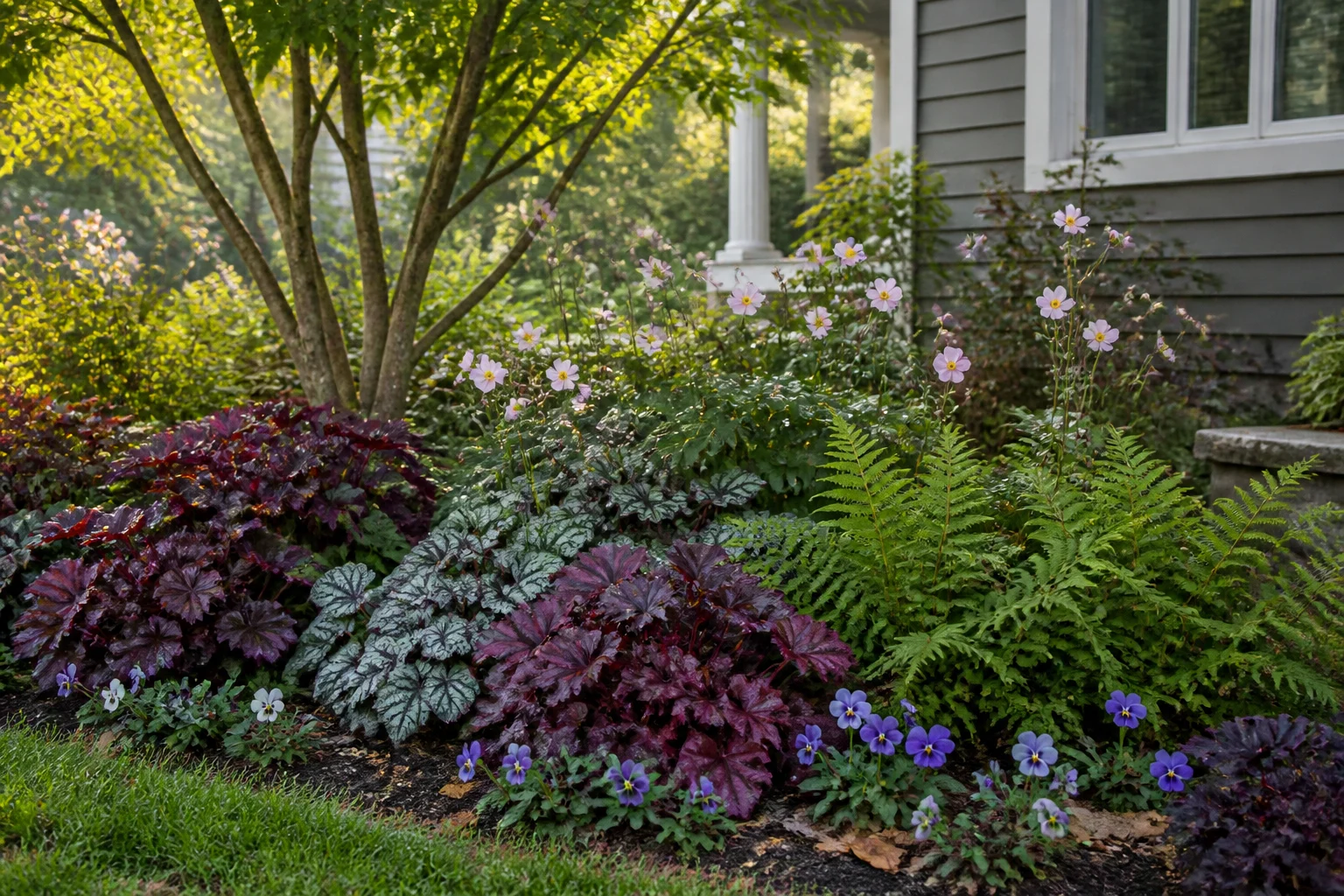
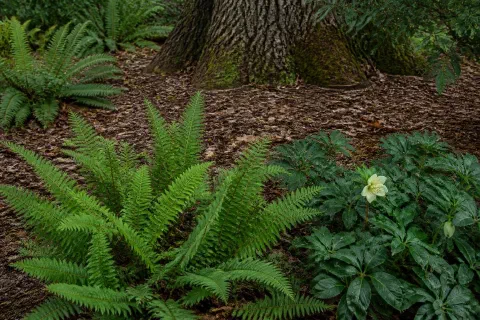
The north side of your house, under a mature tree, or along a tall fence all create shade. These spots won’t support sun-loving bloomers, but plenty of perennials and annuals thrive there and look their best in fall.
| Plant | Fall Feature | Notes |
|---|---|---|
| Hosta ‘August Moon’ | Gold foliage | Check nursery tag for mature size and spacing |
| Hosta ‘Sum and Substance’ | Chartreuse to gold foliage | Check nursery tag for mature size and spacing |
| Coral Bells ‘Caramel’ | Amber foliage | Check nursery tag for mature size and spacing |
| Coral Bells ‘Obsidian’ | Near-black foliage | Check nursery tag for mature size and spacing |
| Astilbe | Dried plumes, structure | Check nursery tag for mature size and spacing |
| Autumn Fern | Coppery new fronds | Check nursery tag for mature size and spacing |
| Japanese Painted Fern | Silver and burgundy variegation | Check nursery tag for mature size and spacing |
| Wax Begonia | Pink, red, or white blooms | Check nursery tag for mature size and spacing |
| Caladium | Pink, white, or red patterned leaves | Check nursery tag for mature size and spacing |
Shade Plants That Work in Dry Soil
If your shade comes from a tree, the soil is probably dry and full of roots. Hostas and astilbe need consistent moisture, so they’ll struggle there.
Try lamium, which spreads as a groundcover and blooms in pink or white in spring and again lightly in fall. Barrenwort tolerates dry shade and shows small flowers in spring, but the foliage turns bronze or red in autumn.
Plants That Work in Both Sun and Part Shade
If your bed gets morning sun and afternoon shade, or dappled light all day, you’re in a transition zone. These plants handle both conditions and give you flexibility.
| Plant | Light Tolerance | Fall Feature | Best For |
|---|---|---|---|
| Coleus | Part shade to sun | Burgundy, lime, or patterned foliage | Quick color, containers |
| Torenia | Part shade to morning sun | Purple, pink, or white blooms | Edges, hanging baskets |
| Hydrangea ‘Limelight’ | Part shade to sun | Lime to pink flowers, burgundy foliage | Shrub layer, back of bed |
| Hydrangea ‘Annabelle’ | Shade to part shade | White to tan flowers | Shade beds, under trees |
3 fall flower bed designs for small yards
Each of these layouts fits a typical small-yard bed. Plant counts assume you’re spacing perennials for mature size, so the bed will look sparse the first year and fill in by year two. Check nursery tags for the specific spacing your cultivars need.
Full-Sun Fall Bed
Back row: dwarf fountain grasses. Middle row: cushion mums in mixed colors, staggered between the grasses.
Front row: compact asters in a continuous line. Add a sedum ‘Autumn Joy’ at each end of the front row for structure.
Full-Shade Fall Bed
Back row: hostas (‘August Moon’ or ‘Sum and Substance’). Middle row: astilbes, staggered between the hostas.
Front row: coral bells in mixed foliage colors. Fill gaps with autumn fern or Japanese painted fern.
Mixed-Light Fall Bed
Back row: one hydrangea ‘Limelight’ at center back. Middle row: coleus plants, two on each side of the hydrangea.
Front row: torenia plants in a continuous line. Add coral bells at the front corners for evergreen foliage that holds through winter.
How to Plant a Fall Bed in One Afternoon
The order that saves the most rework, whether you are filling a new bed or topping up an old one.
- Check the light at the bed in the morning, at noon, and again in late afternoon before you choose anything.
- Pull the spent annuals and loosen the top few inches of soil without turning the whole bed over.
- Set the tallest plants at the back and work forward, matching each plant to the light it will actually get.
- Space perennials for their mature width, not the size of the pot, and expect the bed to look sparse until year two.
- Water the new plantings well for the first few weeks, then ease off as rainfall takes over.
- Mulch with shredded bark or leaf compost to hold moisture and insulate the roots as temperatures drop.
- Aim to finish at least six weeks before your expected first frost so roots have time to establish.
Extending Summer Beds Into Fall Without Replanting
If you already have a summer bed and don’t want to start over, you can tuck fall plants into the gaps as annuals fade. Pull out spent petunias or marigolds in late August, loosen the soil, and drop in mums, asters, or coleus.
The Illinois Extension warns that fall-planted blooming mums may not overwinter and recommends planting at least six weeks before expected frost for root development.
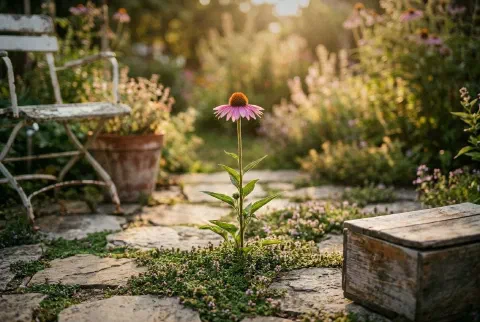
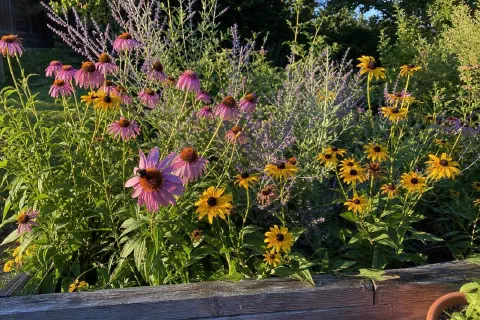
Leave any perennials that are still performing. Daylilies and coneflowers may not bloom in fall, but their foliage stays green and provides a backdrop for the new additions.
Maintenance Tips for Fall Beds
Water new plantings regularly for the first few weeks, then adjust based on rainfall and your soil type. Mulch around plants with a layer of shredded bark or leaf compost to hold moisture and insulate roots as temperatures drop.
Deadhead mums and asters regularly to keep them blooming. Don’t cut perennials back to the ground until spring.
If frost is forecast, cover tender annuals like caladiums and begonias with a sheet or row cover overnight. Once they’re done, pull them out and compost them.
Container and Raised-Bed Strategies for Very Small Yards
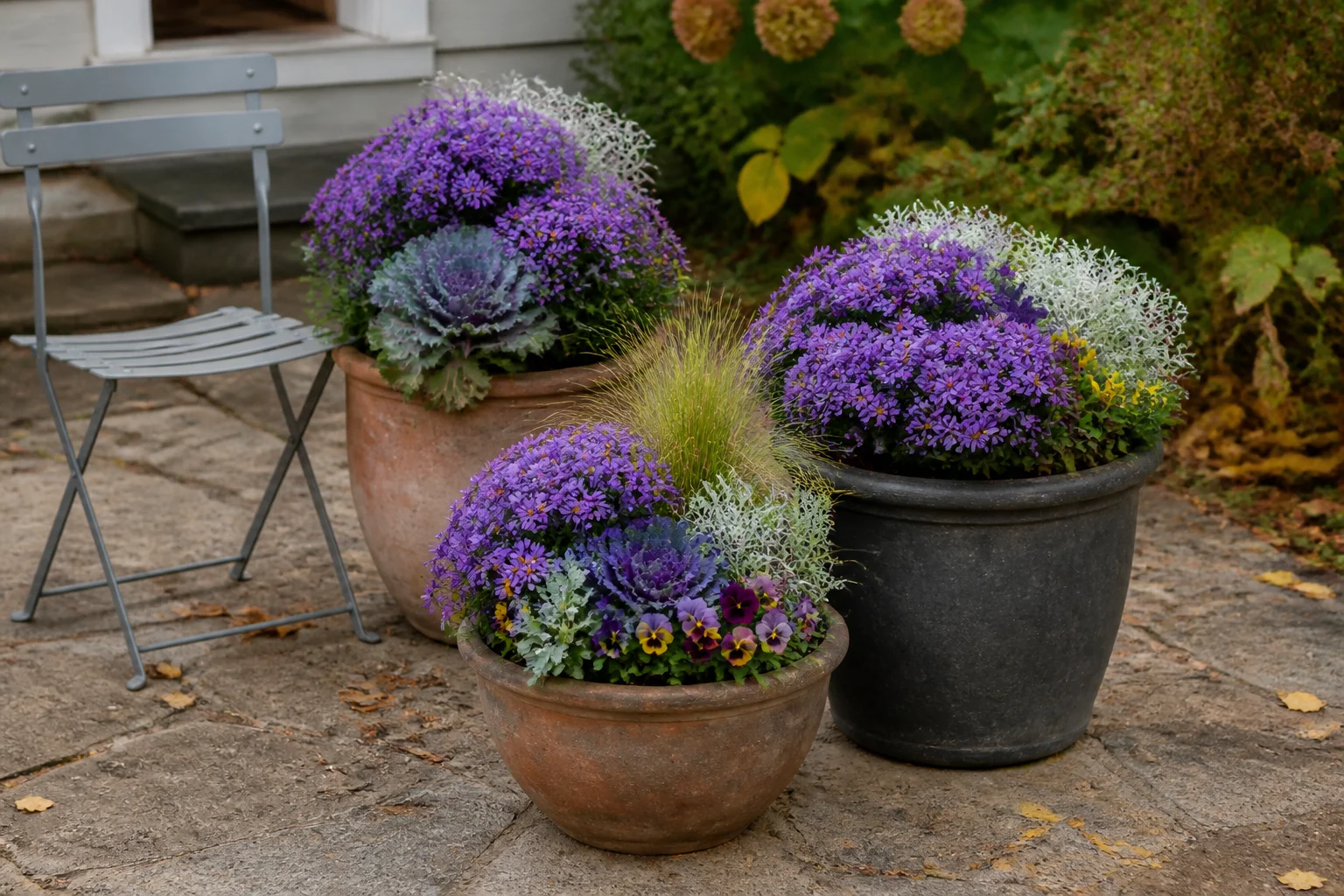
If you don’t have in-ground beds, containers and raised beds work just as well for fall color. Use pots large enough so roots have room and soil doesn’t dry out too fast.
For a fall container, plant one thriller (a tall grass or coleus), two fillers (mums or asters), and three spillers (torenia or trailing begonias). Use potting mix, not garden soil, and water when the top inch feels dry.
Frequently Asked Questions
What plants bloom in fall after summer flowers are done?
New England asters bloom from August into October and flower until frost, and mums, sedums, and torenia run on a similar fall clock in many regions. Ornamental grasses don’t bloom in the traditional sense, but their plumes and foliage color peak in fall.
Which fall plants work in both sun and shade?
Coleus, torenia, and hydrangeas tolerate part shade and morning sun. Coral bells also adapt to a range of light, though their foliage color is strongest in morning sun.
How do I design a small flower bed with year-round color?
Layer perennials that bloom or show foliage color in different seasons. Spring bulbs, summer perennials like coneflowers, and fall asters or sedums give you three seasons.
What are low-maintenance fall perennials for shade?
Hostas, coral bells, and some ferns can suit shade when their moisture needs match the site. Check any spreading ground cover against regional invasive-plant guidance before putting it into a bed.
Can I mix sun and shade plants in the same small bed?
Only if the bed has mixed light. A bed that gets morning sun and afternoon shade can support both types, but you’ll need to place sun lovers on the brighter end and shade plants on the darker end.
What shrubs provide fall color without taking over a small yard?
Compact hydrangeas like ‘Little Lime’ or ‘Bobo’ stay smaller and show fall foliage color. Dwarf abelias bloom white or pink in late summer and hold glossy evergreen foliage that turns bronze in fall. Check nursery tags for mature size in your climate.
What should I plant in a flower bed in fall?
For color now, use cool-season annuals and nursery-grown asters or mums that match the bed’s light and moisture. For future seasons, fall can also be a useful planting window for hardy perennials and spring bulbs, but the timing depends on your first frost and local climate. Check the plant tag and your local extension office before buying.
What should I not plant in fall?
Skip tender warm-season annuals when frost is close, and do not put a sun plant into a shaded bed because it happens to be blooming at the garden center. Avoid any perennial that needs more time to establish than your local planting window allows.
Which fall flowers last the longest?
There is no single longest-lasting flower in every climate. Asters, mums, sedum, and pansies can hold color well when their light, moisture, and temperature needs match the site. Combine flowers with foliage and grass plumes so the bed still has color and shape after one bloom cycle ends.
Planning Next Year’s Fall Color While This Year’s Beds Are Visible
Take photos of your beds in October while the fall color is showing. Note which plants performed and which didn’t, and where you have gaps.
Order bulbs now for spring planting. Fall is also a good time to plant perennials in many regions because the soil is still warm, so roots establish quickly. Check with your local extension office for the best planting window in your area.
What to Read Next
- Fall flowers for pots that get better in the cold is the container version if you would rather not dig a new bed this season.
- Shade perennials that flower goes deeper on the north-side and under-tree beds this article only sketches.
- Drought tolerant flowers that still bring color is worth reading if your fall bed dries out as fast as the summer one did.