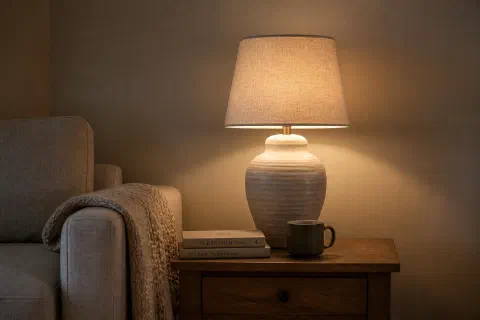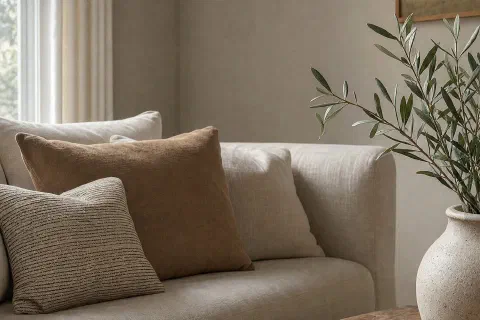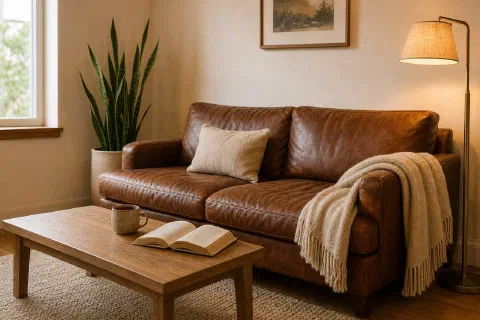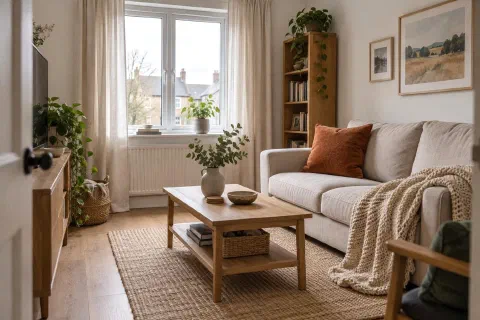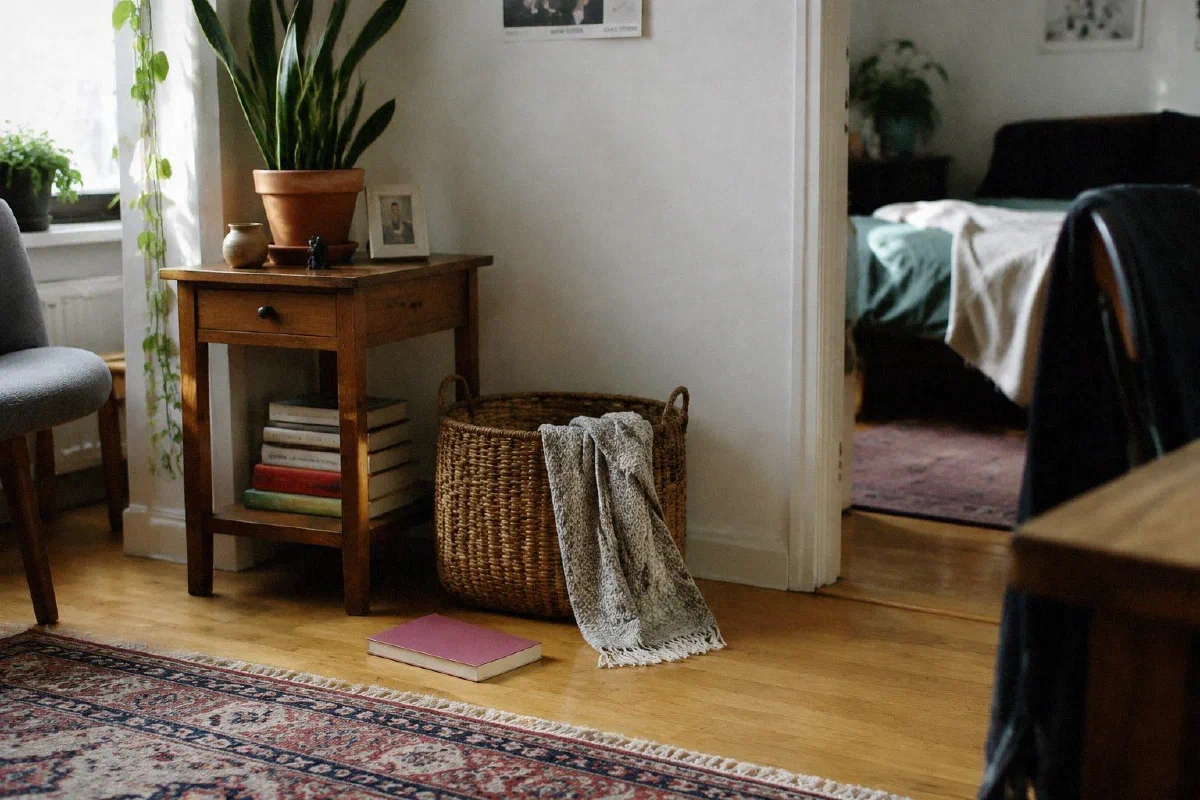
White walls and beige carpet can make a rental feel unfinished even when the furniture is useful. Earthy apartment decor works best when it adds a few surfaces with different textures, then leaves enough blank space for the room to breathe. Start with warm wood, add woven fiber where you touch it, and use one terracotta piece only if its plant and watering needs fit the light.
Choose the first texture by the job it needs to do
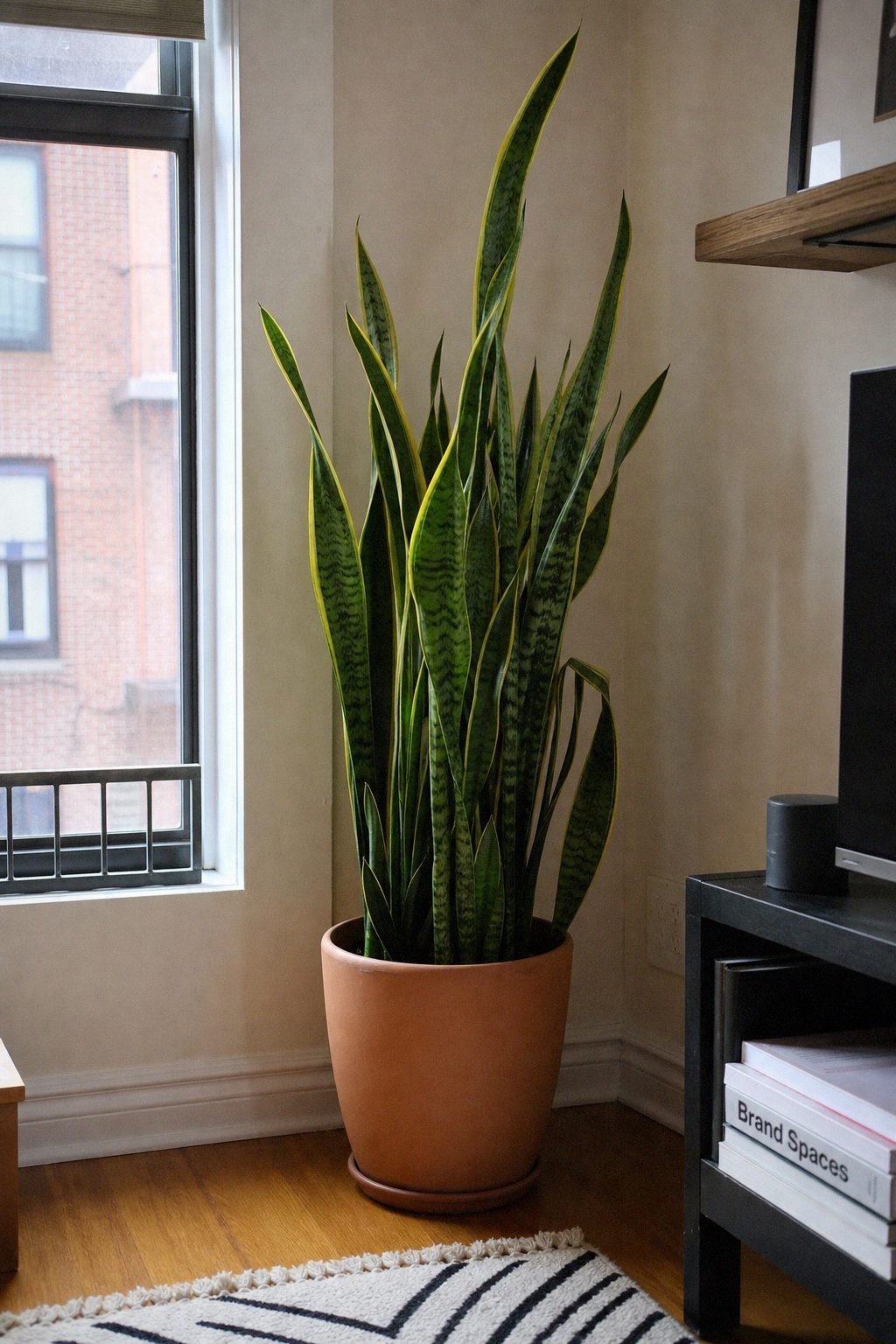
The three materials do different work. Wood gives a hard surface and a visible grain. Woven fiber softens a hard room without adding a bulky piece. Terracotta brings a warm clay color and a real plant container, but unglazed clay also changes how quickly soil dries.
| Texture | Good first use | What to check before buying |
|---|---|---|
| Warm wood | tray, side table, shelf, or stool | footprint, finish, and whether the grain competes with existing furniture |
| Woven fiber | basket, shade, throw, or area rug | cleanability, loose edges, and how much visual weight the weave adds |
| Terracotta | one planter or a small vase | drainage hole, saucer, plant light, and a watering routine you can keep |
This order prevents the common small-room problem of collecting three versions of every material. One useful object per texture gives the eye a path across the room. Add a second piece only when the first one solves a real problem.
Start with one warm wood surface
Warm wood is the easiest place to begin because it does not need to be a large piece of furniture. A small tray under a lamp, a narrow stool beside a chair, or a wood shelf at eye height adds grain where the light can reach it. A secondhand piece is fine if it is stable, clean, and the finish is not flaking.
Match the wood to the room’s existing fixed finishes before you chase a perfect color. Honey oak beside a cool gray floor can look deliberate when the room repeats the warm tone in one book cover or frame. If the room already has several wood finishes, pick one surface and stop there rather than adding another competing brown.
Measure the footprint with painter’s tape. In a narrow living room, a tray or stool may be a better first move than a coffee table. The small apartment living room guide has a furniture table for checking depth, walkway, and storage before a new surface comes home.
Add woven fiber at hand height
Woven fiber is most useful where the room feels hard when you sit in it. A basket beside the sofa can hold a folded throw. A rattan shade can break up the flat face of a lamp. A low-pile area rug can soften the sound and texture under the seating zone. Choose one based on the problem, not because a basket happens to match the trend you saw last week.
Keep the weave easy to clean. A washable throw or a basket with a liner is more useful in a small apartment than a delicate object that has to stay untouched. Check that a basket fits the shelf depth and does not project into the walking route. If a rug is the right answer, place the front legs of the sofa on it when the room allows and use a pad that fits the rug on a hard floor.
For a room with a reading chair, the cozy reading nook layouts show how a lamp, seat, and small table can share a corner without turning texture into clutter.
Use one terracotta piece with the right plant
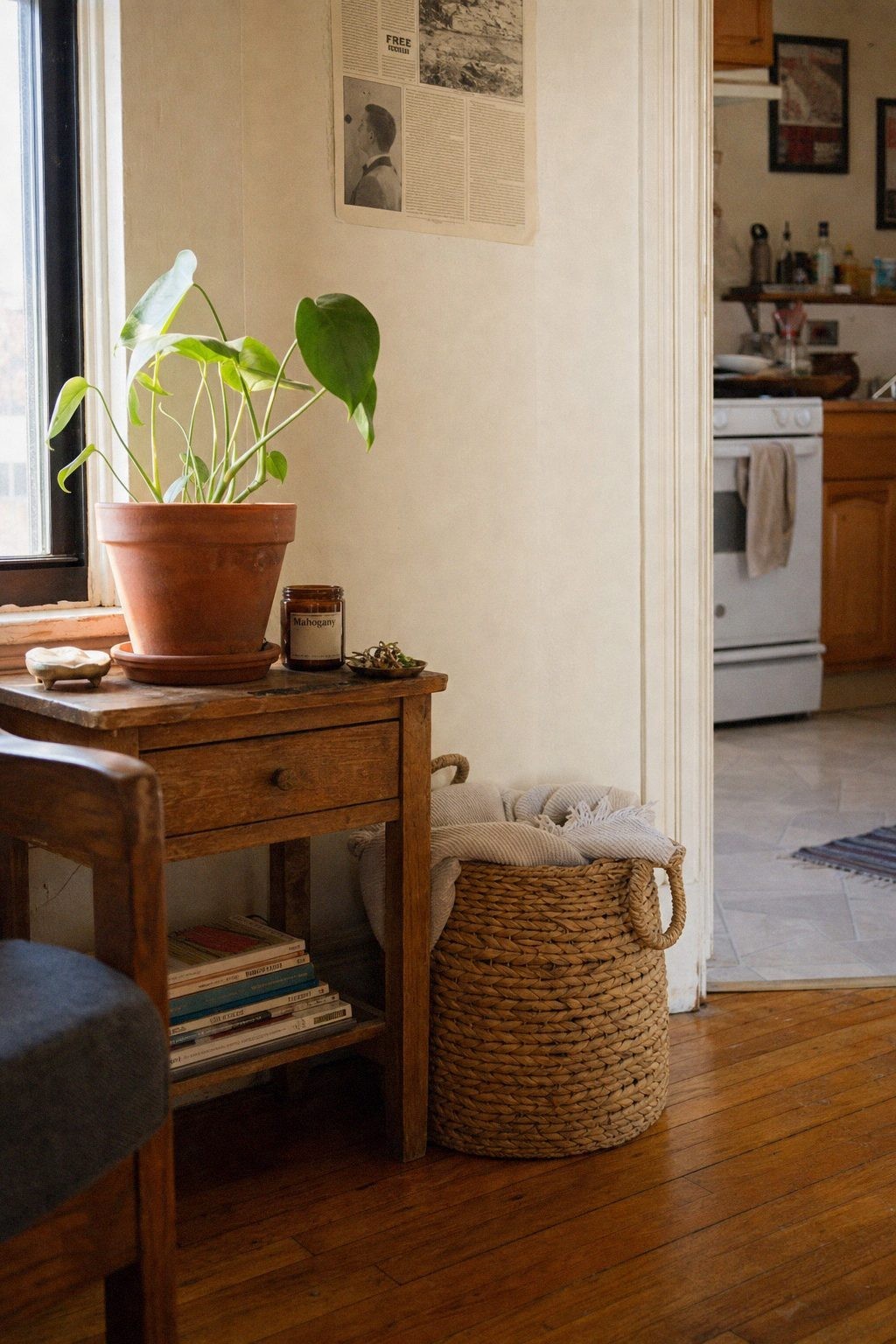
Terracotta adds color without asking the whole room to adopt a new palette. A single planter beside a cream sofa or on a wood shelf can carry the warm note. Choose a piece with a drainage hole and a saucer when it will hold a live plant. A decorative vase with no plant can bring the color with less maintenance.
Unglazed terracotta is porous and dries faster than plastic or glazed ceramic, according to the Royal Horticultural Society’s container guide. Virginia Tech Extension also notes that pot size, soil, temperature, plant type, and terracotta all affect how quickly a houseplant dries in its watering guide. The useful takeaway is not to water on a decorative schedule. Check the soil and the plant’s care instructions.
If the corner is several feet from a window, select a plant that tolerates lower light instead of treating every plant as a styling prop. University of Maryland Extension lists snake plants among houseplants that tolerate low light and warns that they do not tolerate overwatering in its indoor plant selection guide. Low light still means some light, and the pot should not sit where a heater or vent dries it unpredictably.
Before adding more, check visual weight and walking space
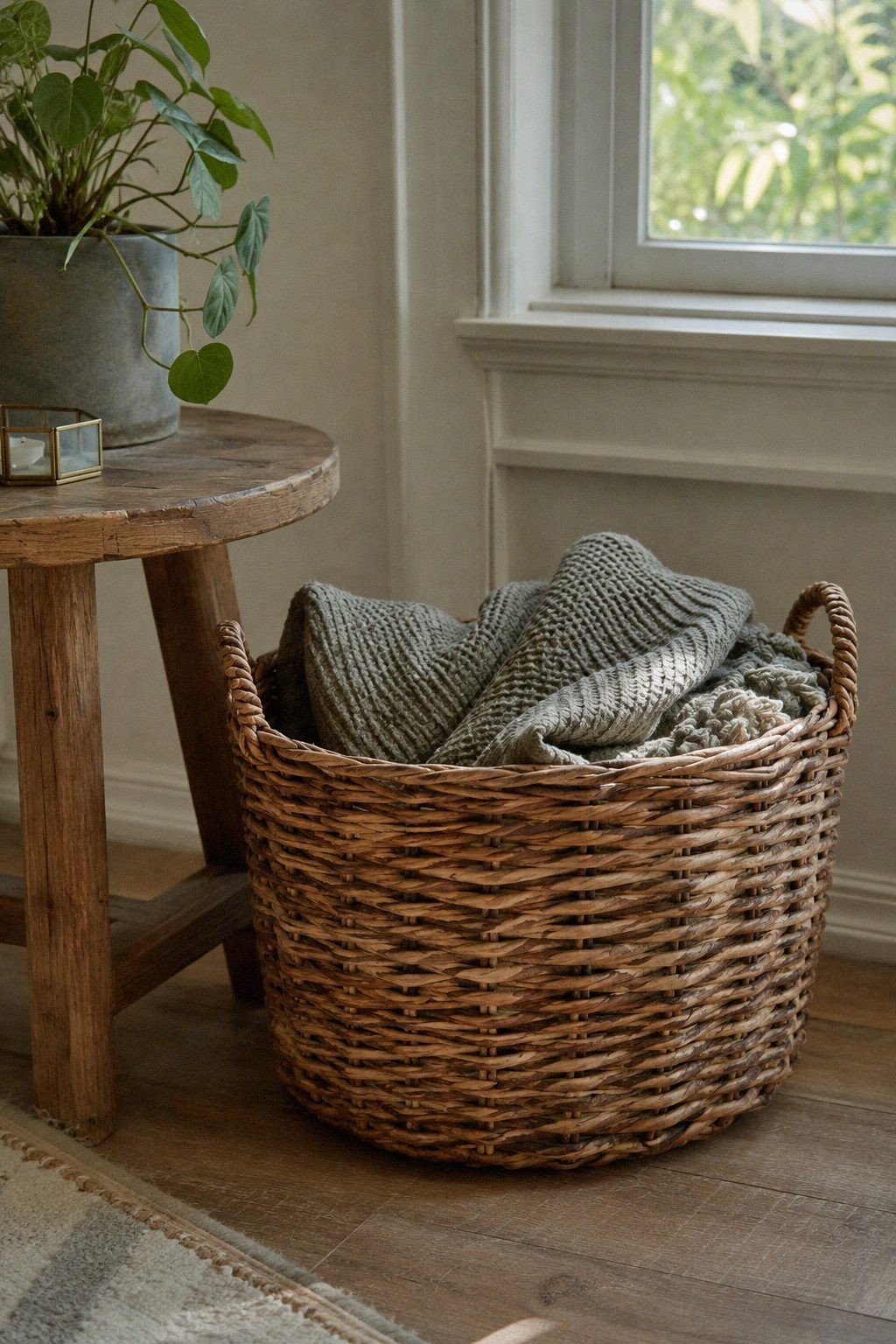
A small apartment can look crowded even when every object is attractive. Stand at the doorway and look for the first object that interrupts the route or blocks the window. Then sit in the room and check whether the wood, woven fiber, and terracotta are visible from the place you use most.
Use this pause checklist:
- Can the door, cabinet, and window open fully?
- Does the basket, rug, or pot sit outside the main walking line?
- Is the plant getting the light it needs, rather than the light the photograph suggests?
- Does the room have one quiet surface left without decoration?
- Would removing one object make the three textures easier to notice?
The goal is a rental apartment that feels lived in, not a display of materials. If the room is full, move one object to another room before buying a fourth texture.
Set up the three textures in one afternoon
- Measure the corner, shelf, or seating zone where the change will go.
- Place the wood piece first and live with its footprint for a day.
- Add one woven object where it handles a blanket, light, sound, or bare floor.
- Choose terracotta only after checking the plant’s light, drainage hole, saucer, and watering needs.
- Photograph the room from the entry and the main seat, then remove anything that blocks the path or steals attention from the useful pieces.
This order keeps earthy apartment decor practical. The room gains grain, softness, and clay color without asking a renter to repaint, replace a sofa, or fill every empty corner.
Care and maintenance for the materials
Dust wood with the care recommended for its finish and keep standing water off the surface. Shake out or launder woven pieces according to their labels, and inspect baskets for loose strands before they catch on clothing. Empty water from a plant saucer after watering so the pot does not sit in a puddle.
Unglazed terracotta can develop pale mineral marks over time. Treat that as a maintenance signal, not a reason to keep adding matching pots. If a snake plant is in the room, let the soil dry according to its care needs and check the roots if the base turns soft. A plant that fits the light and watering routine is part of the decor decision.
What to Read Next
- How to style tall indoor plants in a living room helps place height without blocking a window or path.
- Low-light indoor plants helps match a plant to the corner you have.
- warm palettes carry the clay and wood tones into textiles and walls.
- A hygge home checklist keeps the room personal through small changes instead of more shopping.