You can fill a cottage garden bed without buying a single plant. Seed swaps, plant divisions from neighbors, and roadside rescues stock gardens faster than most people realize. I’ve built three cottage beds over the past five years using only free sources, and the most I spent was $12 on compost one season.
What You Need
| Item | Cost | Notes |
|---|---|---|
| Garden gloves | $0 (reuse old pair) | Any work glove works |
| Trowel or spade | $0 (borrow) | For digging divisions |
| Paper bags | $0 | For seed collecting |
| Cardboard boxes | $0 | For transporting divisions |
| Compost (optional) | $0-12 | Municipal programs often free |
Most cottage garden plants are perennials that divide easily. Zones 5-8 have the widest selection of free sources because these plants naturalize aggressively in moderate climates.
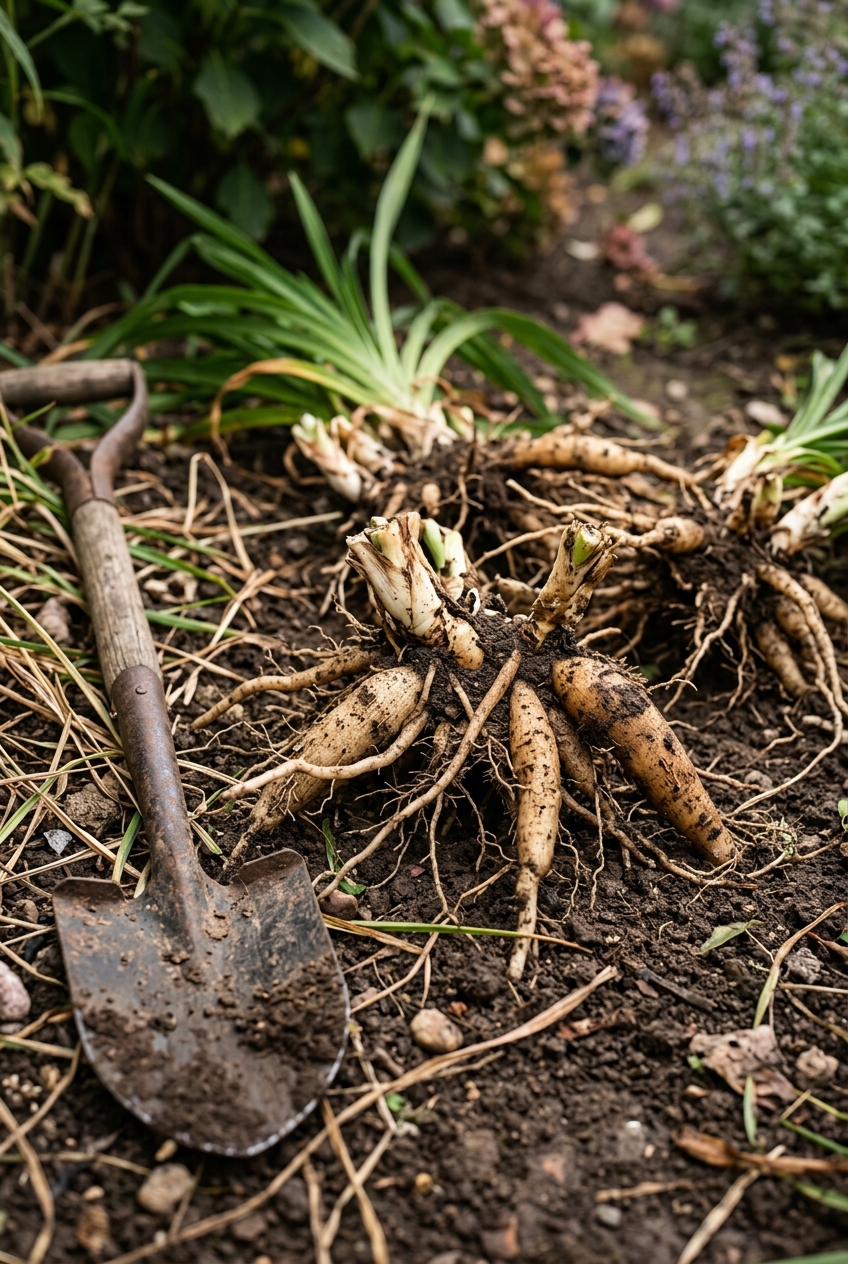
Source 1: Neighborhood Plant Swaps
Join local garden groups on Facebook or Nextdoor. Spring and fall swaps happen in most suburbs. I’ve collected black-eyed Susans, lamb’s ear, bee balm, and shasta daisies this way.
Bring divisions from your own yard to trade. If you’re starting from scratch, bring seed packets (even store-bought ones) or offer to help someone dig their divisions.
Best months: April-May and September-October in Zones 5-7.
Source 2: Roadside Plant Rescues
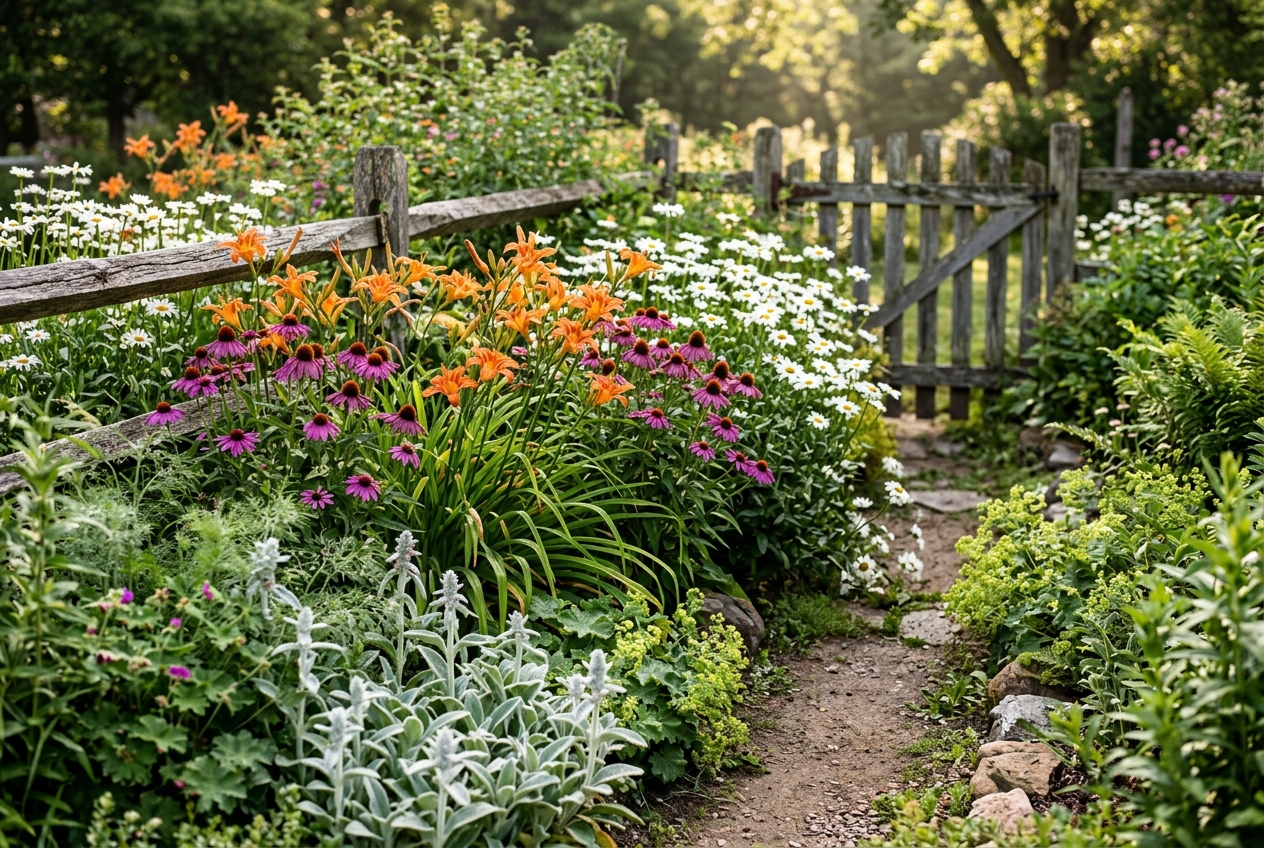
Ditch lilies (Hemerocallis fulva) grow wild along roadsides in every state. Dig clumps in early spring or late fall when the ground is soft. Look for:
- Ditch lilies (orange daylilies)
- Queen Anne’s lace (biennial, reseeds freely)
- Chicory (blue flowers, deep taproot)
- Black-eyed Susans (Rudbeckia hirta)
- Purple coneflower (in some regions)
Check property lines. Roadside ditches are usually public right-of-way, but verify before digging.
Quick Tip: Bring a five-gallon bucket and a sharp spade. Wet the soil first if it’s dry. Dig a root ball at least 6 inches wide.
Source 3: Seed Swaps and Seed Libraries
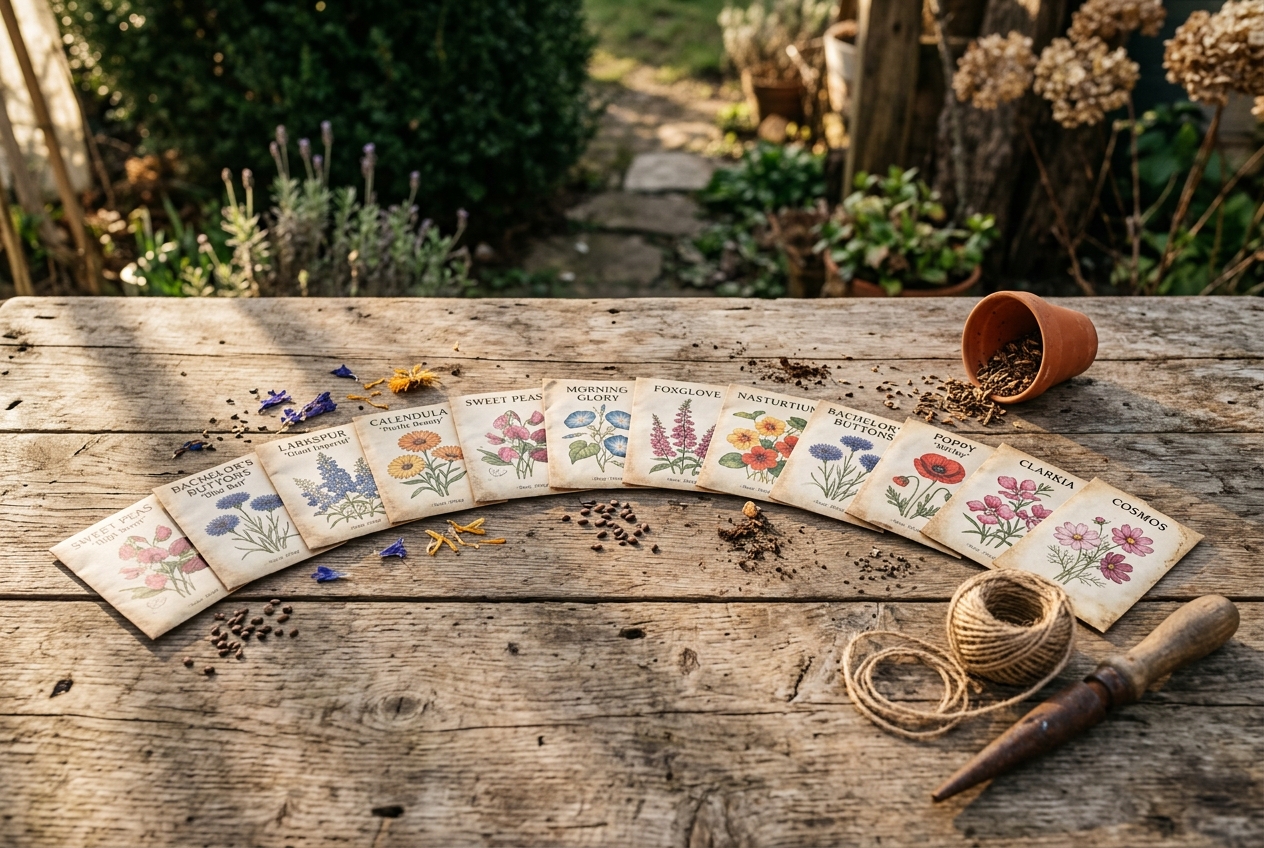
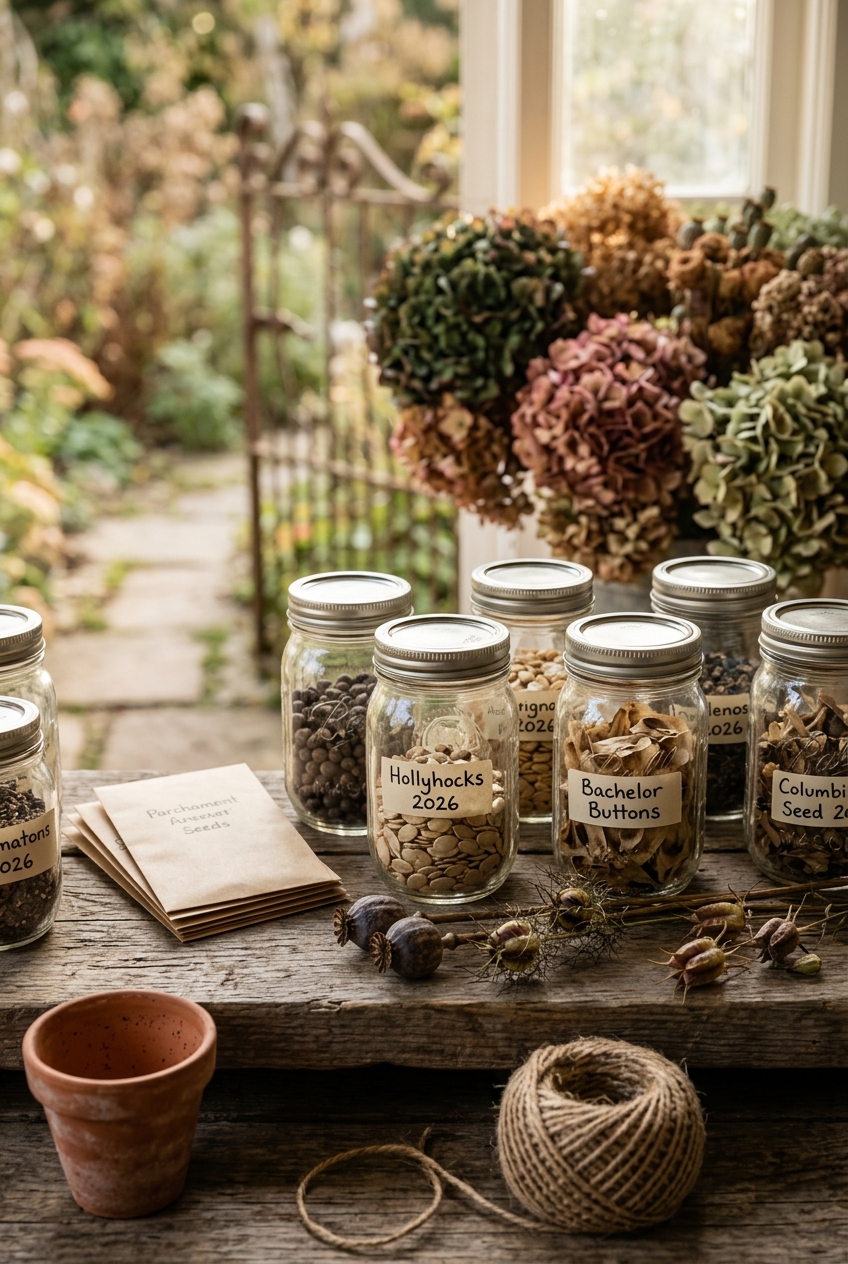
Public libraries in 47 states now host seed libraries. Borrow seeds in spring, return seeds from your harvest in fall. Free cottage garden seeds I’ve found:
- Hollyhocks (Alcea rosea)
- Calendula
- Bachelor’s buttons (Centaurea cyanus)
- Larkspur (Consolida ajacis)
- Nigella (love-in-a-mist)
Online seed swaps work too. Garden Web forums and r/seedswap on Reddit connect gardeners year-round.
Source 4: Divide Your Own Plants
If you have any perennials, divide them every 3-4 years. One hosta becomes four. One daylily clump becomes eight. This is the fastest way to fill space.
| Plant | Division Timing | New Plants Per Clump |
|---|---|---|
| Hostas | Spring or fall | 4-6 |
| Daylilies | Fall (after bloom) | 6-10 |
| Shasta daisies | Spring | 3-5 |
| Bee balm | Spring | 4-8 |
| Lamb’s ear | Spring or fall | 6-12 |
Dig the entire clump. Use two garden forks back-to-back to pry it apart, or slice through with a sharp spade. Replant divisions immediately and water well.
Source 5: Ask Neighbors for Divisions
Most gardeners divide perennials and throw away extras. Ask in spring when you see someone working in their yard. Offer to dig the divisions yourself.
I’ve collected for free:
- Lily of the valley (Zones 3-8, spreads fast)
- Purple coneflower (Echinacea purpurea)
- Catmint (Nepeta, Zones 3-8)
- Creeping thyme (Thymus serpyllum)
- Sedum (multiple varieties)
Bring your own containers and gloves. Show up ready to work.
From my experience: I knocked on six doors in my neighborhood one April and came home with 30 perennial divisions. Five neighbors were actively thinning beds and happy to share. One gave me three wheelbarrow loads of daylilies she was about to compost.
Source 6: Collect Seeds from Public Gardens
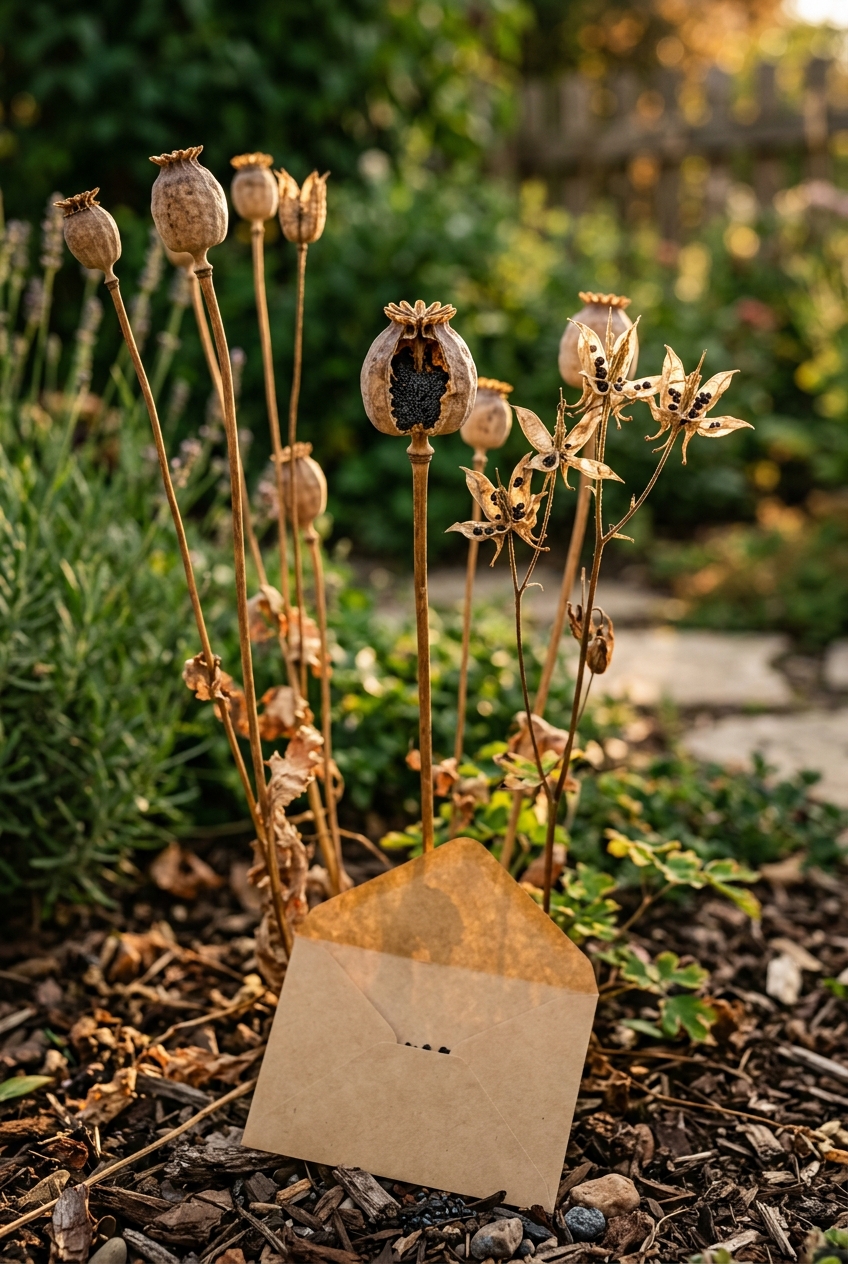
Botanical gardens and parks allow seed collecting in most cases. Check posted rules or ask staff. Wait until seed heads are brown and dry.
Cottage garden plants with easy-to-collect seeds:
- Columbine (Aquilegia)
- Foxglove (Digitalis, biennial)
- Hollyhocks
- Poppies (Papaver)
- Sweet William (Dianthus barbatus)
Store seeds in paper envelopes labeled with plant name and collection date. Keep them cool and dry until spring.
Source 7: Municipal Compost Programs
Many cities offer free compost to residents. Some programs include wood chips and mulch. Call your local public works department or check the city website.
I get 2-3 cubic yards of finished compost every spring at no cost. This builds soil for free plants and improves drainage in clay-heavy zones like Zone 6.
Source 8: End-of-Season Plant Sales and Giveaways
Garden centers dump unsold perennials in September and October. Ask if they’re giving away plants that didn’t sell. Some stores compost them, others let you haul them away free.
I’ve rescued:
- Russian sage (Perovskia atriplicifolia, $0 vs. $18 retail)
- Catmint (looked dead, came back strong)
- Salvia (multiple colors)
- Coreopsis (threadleaf varieties)
These plants look rough but recover by the following spring. Trim dead foliage, plant immediately, and mulch well before winter.
Best Free Cottage Garden Plants by Zone
| Zone | Spring Dividers | Self-Sowing Annuals | Roadside Rescues |
|---|---|---|---|
| 5 | Hostas, daylilies, bee balm | Bachelor’s buttons, calendula | Ditch lilies, black-eyed Susans |
| 6 | Shasta daisies, coneflower, catmint | Larkspur, nigella | Queen Anne’s lace, chicory |
| 7 | Lamb’s ear, sedum, salvia | Cosmos, zinnias (reseed) | Daylilies, yarrow |
| 8 | Daylilies, coreopsis, Russian sage | Cleome, four o’clocks | Lantana, Mexican petunia |
Focus on plants that divide easily or self-sow. These multiply without effort.
Timing Your Free Plant Collection
| Month | Action | What to Collect |
|---|---|---|
| March-April | Divide perennials | Hostas, daylilies, shasta daisies |
| May | Attend plant swaps | Any divisions, seedlings |
| June-August | Collect seeds | Poppies, columbine, foxglove |
| September | Roadside rescues | Ditch lilies, coneflowers |
| October | End-of-season sales | Clearance perennials |
Spring and fall are peak collection times. Summer is for seed saving.
Quick Tip: Keep a cardboard box and trowel in your car from April through October. You’ll spot free plants when you’re not looking for them.
Before You Start
Budget cottage gardens take longer to fill than bought ones. Plan for 2-3 seasons to reach full density. Start with 8-10 free plants in year one, add 15-20 in year two through divisions and seeds.
Free plants often come with weeds in the root ball. Inspect divisions carefully and shake off excess soil before planting. I’ve introduced quackgrass and bindweed this way, both of which took two years to eliminate.
Most free cottage garden plants are vigorous spreaders. This is why people give them away. Bee balm, lamb’s ear, and lily of the valley will take over a bed if you let them. Plan space accordingly or be ready to divide annually.
FAQ
Can you start a cottage garden with only free plants?
Yes. Perennial divisions, roadside rescues, and seed swaps provide enough variety to fill a 100-square-foot bed in two seasons. Focus on plants that divide easily like daylilies, hostas, and coneflowers. Add self-sowing annuals like bachelor’s buttons and larkspur for first-year color.
What cottage garden plants spread the fastest from divisions?
Lamb’s ear, bee balm, and daylilies spread fastest. One lamb’s ear plant becomes 12-15 divisions in two years. Daylilies double in size annually in Zones 5-7. Bee balm spreads by runners and fills a 3-foot circle in one season if soil is rich.
When is the best time to dig roadside plants?
Early spring (March-April) or late fall (October-November) when plants are dormant. Soil is softer after rain. Avoid midsummer when heat stress kills transplants. In Zone 6, I dig ditch lilies in October after the first frost when foliage has died back.