A full cottage garden bed costs about the same as dinner out. Ten packets of seed, some compost, and a free afternoon. That is the whole investment.
I have started cottage beds this way three times. The first year looks a little sparse. By year two, you cannot see the soil. By year three, you are giving away plants. Here is the exact plan.
The $30 Seed List
These varieties all direct sow well, bloom the first year, and reseed for free the following season. Prices are from Botanical Interests and Baker Creek Heirloom Seeds as of early 2026.
| Seed | Variety | Source | Price |
|---|---|---|---|
| Zinnia | ‘California Giants Mix’ | Baker Creek | ~$3.50 |
| Cosmos | ‘Sensation Blend’ | Botanical Interests | $2.69 |
| Larkspur | ‘Earl Grey Mix’ | Baker Creek | ~$3.50 |
| Calendula | ‘Pacific Beauty Blend’ | Botanical Interests | $2.69 |
| Sweet Alyssum | ‘Tiny Tim’ | Botanical Interests | $2.69 |
| Nigella | ‘Miss Jekyll Mix’ | Baker Creek | ~$3.50 |
| Bachelor’s Button | ‘Tall Blend’ | Botanical Interests | $2.69 |
| Sunflower | ‘Autumn Beauty Mix’ | Baker Creek | ~$3.50 |
| Rudbeckia | ‘Indian Summer’ | Botanical Interests | $3.49 |
| Sweet William | ‘Double Blend’ | Botanical Interests | $2.69 |
| Total | ~$30.94 |
Quick Tip: Baker Creek ships free on all U.S. orders, no minimum. Botanical Interests sells at most independent garden centers. Both companies sell untreated, open-pollinated seed, which matters for saving seed later.
That leaves room for a bag of compost if your soil needs it. A 40-lb bag from a garden center runs $4-6.
The 4x8 Bed Layout
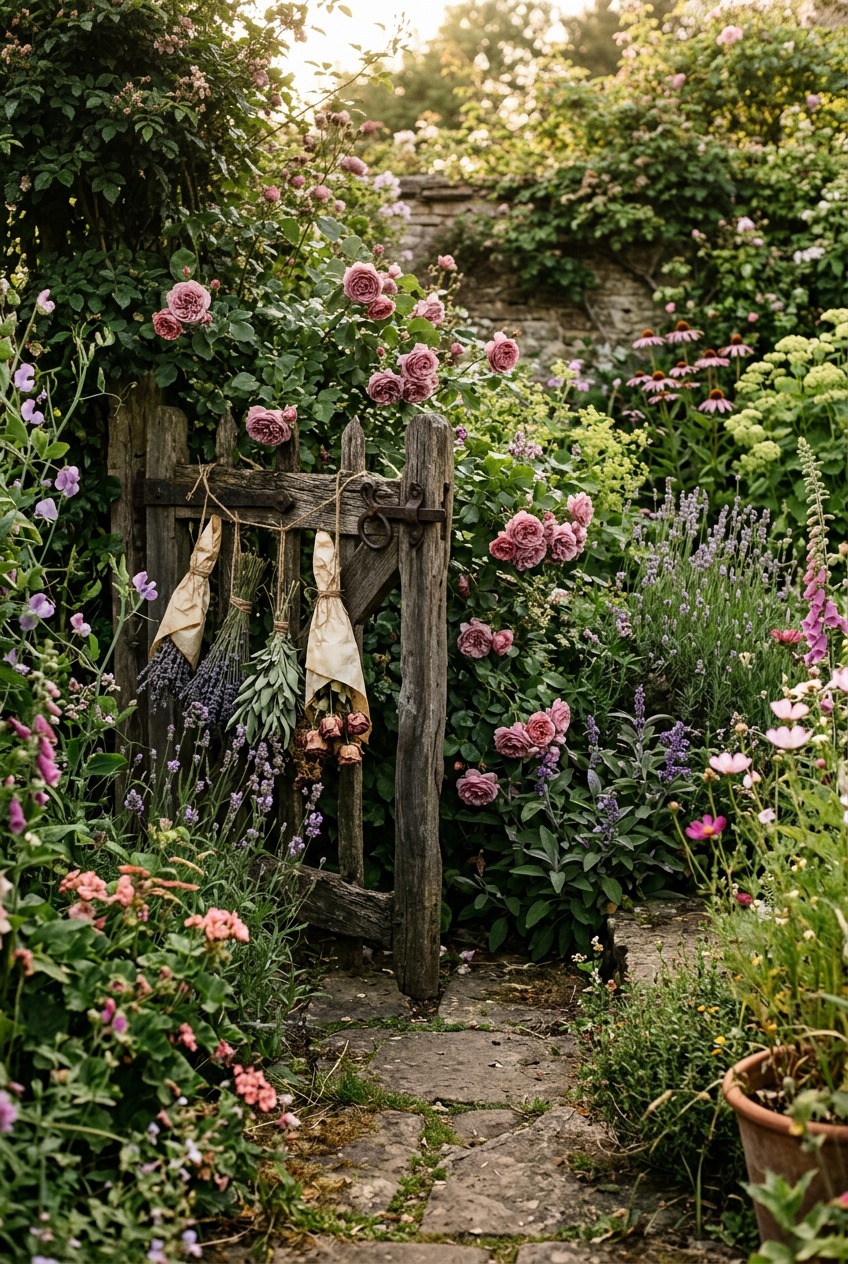
A 4x8-foot bed holds more than you would expect. This layout uses height in the back and spillers along the front edge.
| Row | Plants | Spacing | Height |
|---|---|---|---|
| Back | Sunflower ‘Autumn Beauty’, Larkspur, Cosmos | 12" apart | 3-5 ft |
| Middle | Zinnia ‘California Giants’, Rudbeckia ‘Indian Summer’ | 9" apart | 2-3 ft |
| Front | Calendula, Bachelor’s Button, Nigella | 6-8" apart | 6-18 in |
| Edge | Sweet Alyssum (full edge), Sweet William (corners) | Scattered | 4-8 in |
Back row (tallest, 3-5 feet):
- Sunflower ‘Autumn Beauty Mix’ at the center, 3 plants spaced 12 inches apart
- Larkspur ‘Earl Grey Mix’ on each side of the sunflowers, 6 inches apart
- Cosmos ‘Sensation Blend’ filling the rest of the back row, 12 inches apart
Middle row (2-3 feet):
- Zinnia ‘California Giants Mix’ spaced 9 inches apart across the full row
- Rudbeckia ‘Indian Summer’ at each end of the row, 2 plants per end
Front row (6-18 inches):
- Calendula ‘Pacific Beauty Blend’ in clusters of 3, spaced 8 inches apart
- Bachelor’s Button ‘Tall Blend’ tucked between calendula groups
- Nigella ‘Miss Jekyll Mix’ scattered in gaps, 6 inches apart
Edge (ground cover):
- Sweet Alyssum ‘Tiny Tim’ along the entire front edge, scattered thickly
- Sweet William ‘Double Blend’ at each corner
This gives you continuous color from June through first frost. The sunflowers and larkspur provide vertical structure. Zinnias fill the middle with big, cutting-friendly blooms. Alyssum attracts beneficial insects and knits everything together.
Planting Timeline by Zone
Timing matters more than technique with cottage garden seeds. Most of these are hardy annuals that tolerate light frost, but a few need warm soil.
| Zone | Start Indoors | Direct Sow (Frost-Hardy) | Direct Sow (Warm-Soil) |
|---|---|---|---|
| 3-4 | Late March | Early May | Late May - Early June |
| 5-6 | Mid-March | Early April | Mid-May |
| 7-8 | February | Early March | Mid-April |
| 9-10 | N/A | Oct-Nov (cool season) | Feb-March |
Frost-hardy seeds (direct sow 4-6 weeks before last frost): Larkspur, bachelor’s button, nigella, calendula, alyssum, sweet william.
Warm-soil seeds (sow 1-2 weeks after last frost, soil above 70°F): Zinnia, cosmos, sunflower.
Start indoors under lights: Rudbeckia and sweet william. These are slower to establish and benefit from a 6-8 week head start.
From my experience: Larkspur is the one most people get wrong. It needs cool soil to germinate. I have tried sowing it in June and gotten nothing. Sow it the same time you would peas, while nights still dip into the 40s. It rewards early sowing with 4-foot spires by midsummer.
How to Direct Sow (The 10-Minute Method)
You do not need seed trays for most of these. Direct sowing takes about 10 minutes per row.
- Rake the soil smooth. Remove rocks larger than a marble.
- Add compost 1 inch deep across the bed if your soil is heavy clay or very sandy. Optional if your soil already grows weeds well.
- Small seeds (alyssum, nigella, calendula): mix seed with a handful of sand, sprinkle over the area, press gently with your palm. Do not cover.
- Medium seeds (zinnia, cosmos, bachelor’s button, larkspur): poke holes 1/4 inch deep with your finger, drop 2-3 seeds per hole, brush soil over them.
- Large seeds (sunflower): push each seed 1 inch deep, 12 inches apart.
- Water gently with a fine spray. Keep soil moist (not soaked) for 7-14 days until seedlings appear.
That is it. No grow lights, no heat mats, no hardening off.
Quick Tip: If you are worried about birds eating your sunflower seeds before they sprout, lay a strip of chicken wire over the planting area for the first week. Remove it once the seedlings are 2 inches tall.
What to Expect: Year 1 vs. Year 3
Be honest with yourself about year one. The bed will look good, not great. Here is the timeline.
| Year 1 | Year 2 | Year 3+ | |
|---|---|---|---|
| Plant size | 60-70% of mature size | Full size | Full size, spreading |
| Bloom start | Mid-June (most zones) | 2-3 weeks earlier | Early June |
| Gaps visible? | Yes, especially early summer | Mostly filled in | No bare soil |
| Bouquets/week | 1-2 from July onward | 3-4 per week | More than you need |
| Self-sowers returning | None (first year) | Larkspur, nigella, calendula, bachelor’s button, alyssum | All of the above + sweet william seedlings everywhere |
| Annual cost | ~$31 | ~$5 (just zinnia + cosmos) | $5 or less |
Year 1 standouts: Cosmos and zinnia will be your strongest performers. They grow fast, bloom heavy, and fill space quickly. Larkspur finishes blooming by late June in hot zones (7+) but is spectacular while it lasts.
The year 2 payoff: Rudbeckia returns as a perennial and doubles in size. Self-sown larkspur and nigella seedlings pop up in places you did not plant them, which is exactly what a cottage garden should do.
From my experience: By year three, the biggest “problem” is too many volunteer seedlings. I pull out larkspur and nigella seedlings by the handful each April and give them to neighbors. That is the best kind of gardening problem.
Stretching the Budget Even Further
Already under $30, but want to go lower? Try these:
- Save seed from year one. Zinnia, cosmos, sunflower, and calendula are the easiest seeds to save. Let a few flower heads dry on the plant. Snap them off, store in paper envelopes. That eliminates 4 packets from next year’s order.
- Swap with neighbors. One packet of cosmos contains 40-60 seeds. You need maybe 8 for a 4x8 bed. Trade the extras for something you do not have.
- Check dollar stores in spring. Dollar Tree and Walmart carry Burpee and American Seed packets for $1-2. Germination rate is slightly lower than specialty companies, but still above 70% for most varieties.
- Skip the compost. If your soil grows weeds, it will grow flowers. Compost helps, but it is not required for any of these varieties.
The Supplies You Already Have
You do not need raised bed kits, landscape fabric, or fancy tools. A cottage garden bed works directly in the ground.
All you need:
- A shovel or garden fork
- A rake
- String and 4 stakes (to mark your 4x8 area)
- A watering can or hose with a gentle spray nozzle
Mark your 4x8 area with string and stakes, turn the soil with a shovel, rake it smooth, and sow. The whole project takes one afternoon.
By July, you will have armloads of flowers from a patch of dirt that cost about the same as a large pizza.