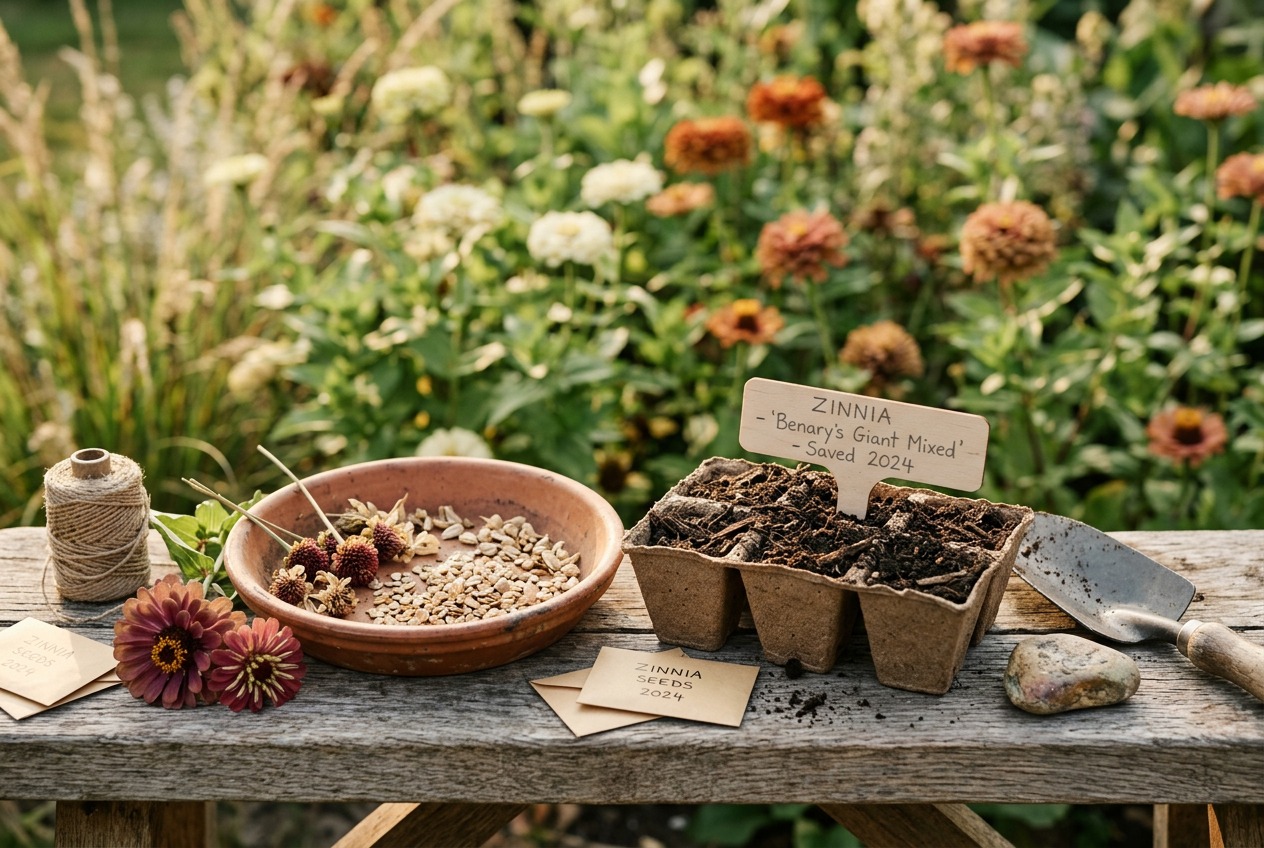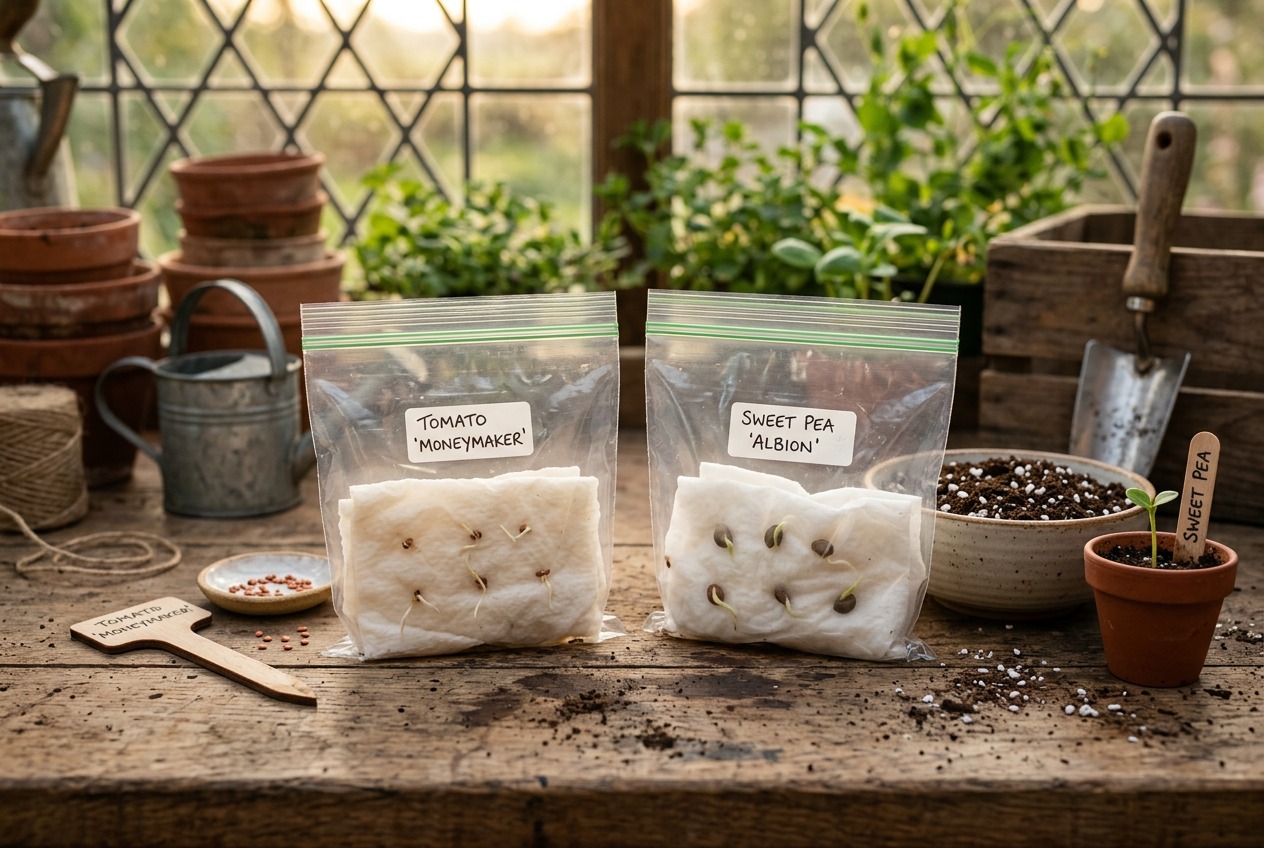
You do not need seed trays, potting mix, grow lights, or a dedicated seed starting station. You need a zip-lock bag, a paper towel, water, and a warm spot.
The baggie method (also called paper towel germination) lets you sprout seeds in days with almost zero setup. It works. It’s been used by gardeners and science teachers for decades.
Here’s exactly how to do it.
Materials List
You probably own all of this already.
- Quart-size zip-lock bags (name brand or generic, both work)
- White paper towels (plain, unprinted, no lotion or texture coating)
- Spray bottle with water (or just a cup and your fingers)
- Permanent marker (for labeling)
- Seeds (see the list below for best options)
- Optional: small plate or tray to set bags on
Total cost if you need to buy everything: under $5. A pack of zip-lock bags and a roll of paper towels.
Step-by-Step Process
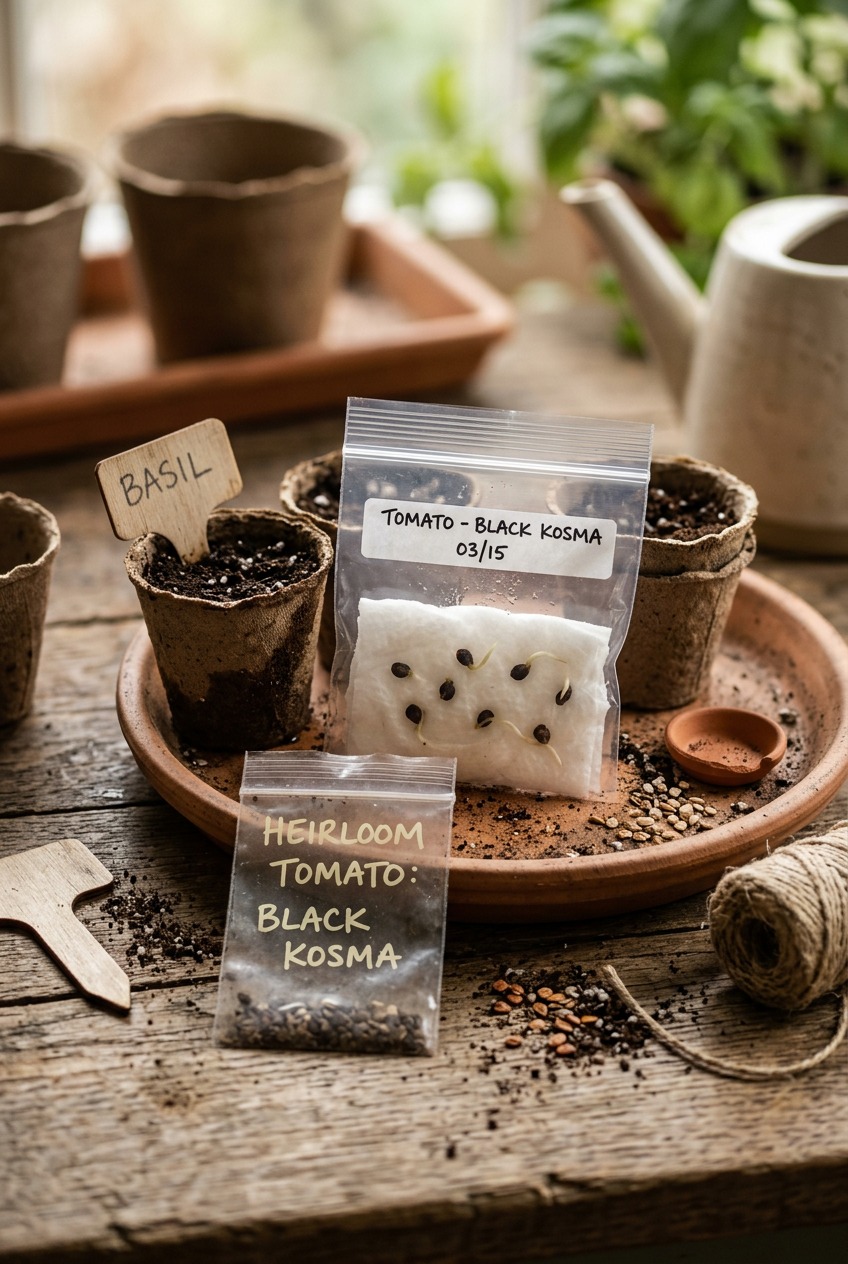
Step 1: Dampen the paper towel. Fold a single paper towel in half. Mist it with the spray bottle until evenly damp. Not soaking wet. You should be able to pick it up without water dripping off. If you squeeze it and water runs out, it’s too wet. Wring it out and try again.
Step 2: Place seeds on the towel. Lay the damp paper towel flat. Arrange 5 to 10 seeds on one half, spaced about 1 inch apart. Don’t crowd them. You need room to separate the sprouts later without breaking roots.
Step 3: Fold the towel over the seeds. Fold the empty half of the paper towel over the seeds, making a seed sandwich. The seeds should be enclosed but not crushed.
Step 4: Slide into the bag. Place the folded towel into the zip-lock bag. Press out most of the air, then seal the bag about 90% closed. Leave a small gap (about 1/2 inch) for minimal air exchange. This prevents mold while keeping humidity high.
Step 5: Label the bag. Write the seed variety and the date on the outside of the bag with permanent marker. You will forget what you planted. Label it now.
Step 6: Place in a warm spot. Set the bag in a location that stays between 70 and 80 degrees Fahrenheit. Good options: on top of the refrigerator, near (not on) a heat register, on a shelf in a warm room, or on a seedling heat mat if you have one.
Most seeds do not need light to germinate. Keep the bags out of direct sunlight, which can overheat the interior of the bag and cook your seeds.
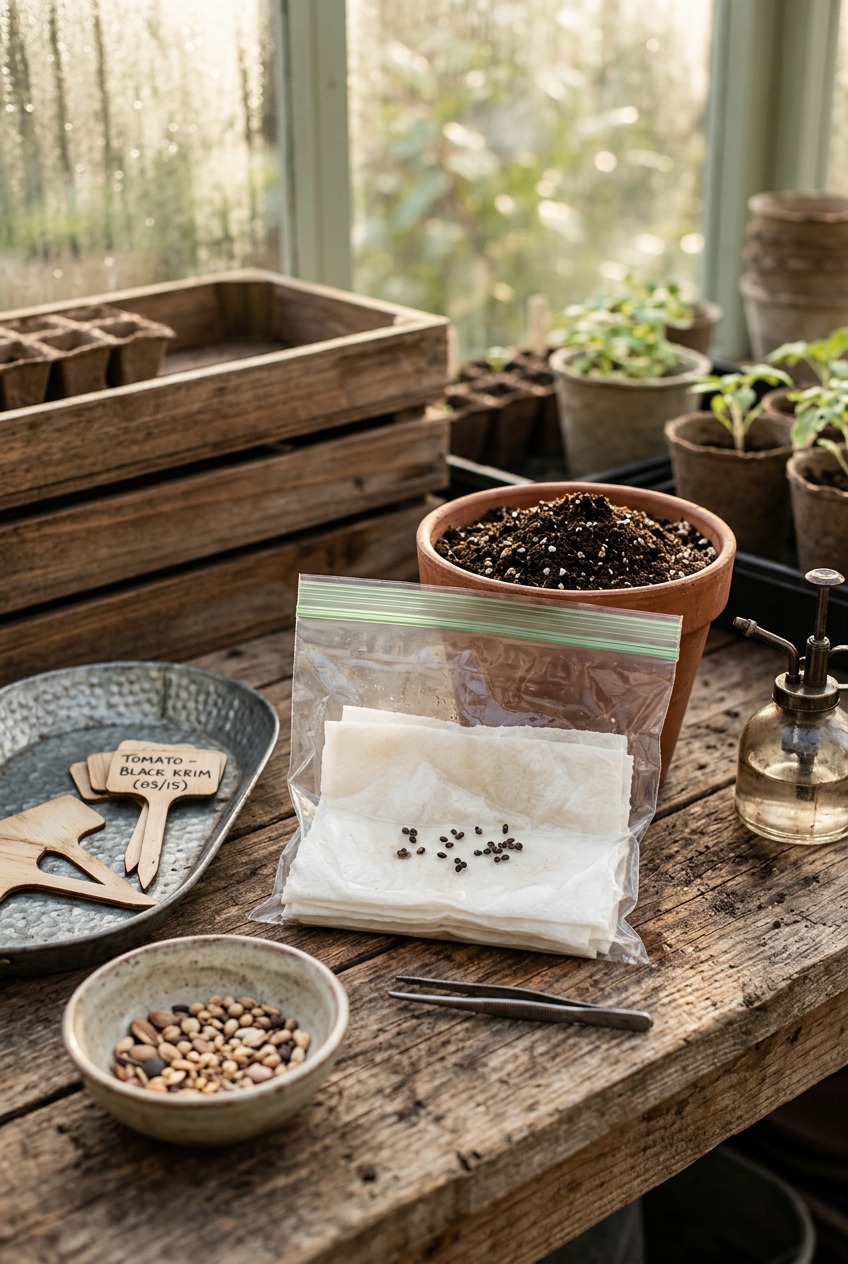
Step 7: Check daily. Open the bag every day and look for signs of germination. The first thing you’ll see is a small white root (the radicle) poking out from the seed. This usually appears in 2 to 7 days, depending on the variety.
If the paper towel feels dry, mist it lightly and reseal. If you see any green or black mold, remove the affected seeds immediately and replace the paper towel for the remaining seeds.
Expected Germination Times
| Seed Type | Days to Germination |
|---|---|
| Zinnia | 3 to 5 days |
| Marigold | 3 to 5 days |
| Cucumber | 3 to 5 days |
| Tomato | 5 to 7 days |
| Pepper (bell, jalapeño) | 7 to 14 days |
| Basil | 5 to 7 days |
| Morning glory | 5 to 7 days (soak overnight first) |
| Sunflower | 3 to 5 days |
| Cosmos | 5 to 7 days |
| Milkweed (Asclepias) | 7 to 14 days (after cold stratification) |
These times assume consistent warmth of 70 to 80°F. Cooler temperatures slow things down. A bag sitting on a cold windowsill in March may take twice as long.
Which Seeds Work Best
Great candidates (large seeds, fast germination):
- Zinnias (‘Benary’s Giant,’ ‘State Fair,’ any variety)
- Sunflowers (‘Mammoth Grey Stripe,’ ‘Autumn Beauty’)
- Cucumbers (‘Marketmore 76,’ ‘Straight Eight’)
- Squash and pumpkins (any variety)
- Beans and peas (bush beans, snap peas)
- Morning glories (‘Heavenly Blue,’ ‘Grandpa Ott’)
- Marigolds (‘Crackerjack,’ ‘French Vanilla’)
- Nasturtiums (‘Jewel Mix,’ ‘Empress of India’)
Works well with a little extra care:
- Tomatoes (‘Cherokee Purple,’ ‘San Marzano,’ any variety)
- Peppers (‘California Wonder,’ ‘Jalapeño Early’)
- Basil (‘Genovese,’ ‘Thai’)
- Cosmos (‘Sensation Mix,’ ‘Seashells’)
- Echinacea (needs 4 to 6 weeks cold stratification first)
Skip the baggie method for these:
- Carrots (tiny seeds, fragile roots, better direct-sown)
- Lettuce and greens (germinate fast in soil, roots are delicate)
- Poppies (do not transplant well, direct sow only)
- Root vegetables (turnips, radishes, beets: direct sow)
- Anything you’d normally direct sow in the garden
The general rule: if the seed is big enough to pick up with your fingers, it’s a good baggie method candidate.
Temperature and Light Details
Temperature: The sweet spot for most seeds is 72 to 78°F. A seedling heat mat set to 75°F gives the most consistent results. Without a heat mat, the top of a refrigerator typically runs 5 to 10 degrees warmer than room temperature.
Pepper seeds are especially temperature-sensitive. Below 70°F, peppers can take 3 weeks or longer to germinate. At 80°F, they pop in 7 to 10 days.
Light: Seeds do not need light until after they sprout. Keep bags in a dim or moderately lit area. Once you see green growth (cotyledon leaves emerging), it’s time to move to soil. Do not try to grow seedlings in the bag. The paper towel provides zero nutrition.
Humidity: The sealed bag creates its own humidity chamber. You should see condensation on the inside of the bag. That’s normal and good. If the bag fogs up so much you can’t see the seeds, crack it open for an hour to let excess moisture escape, then reseal.
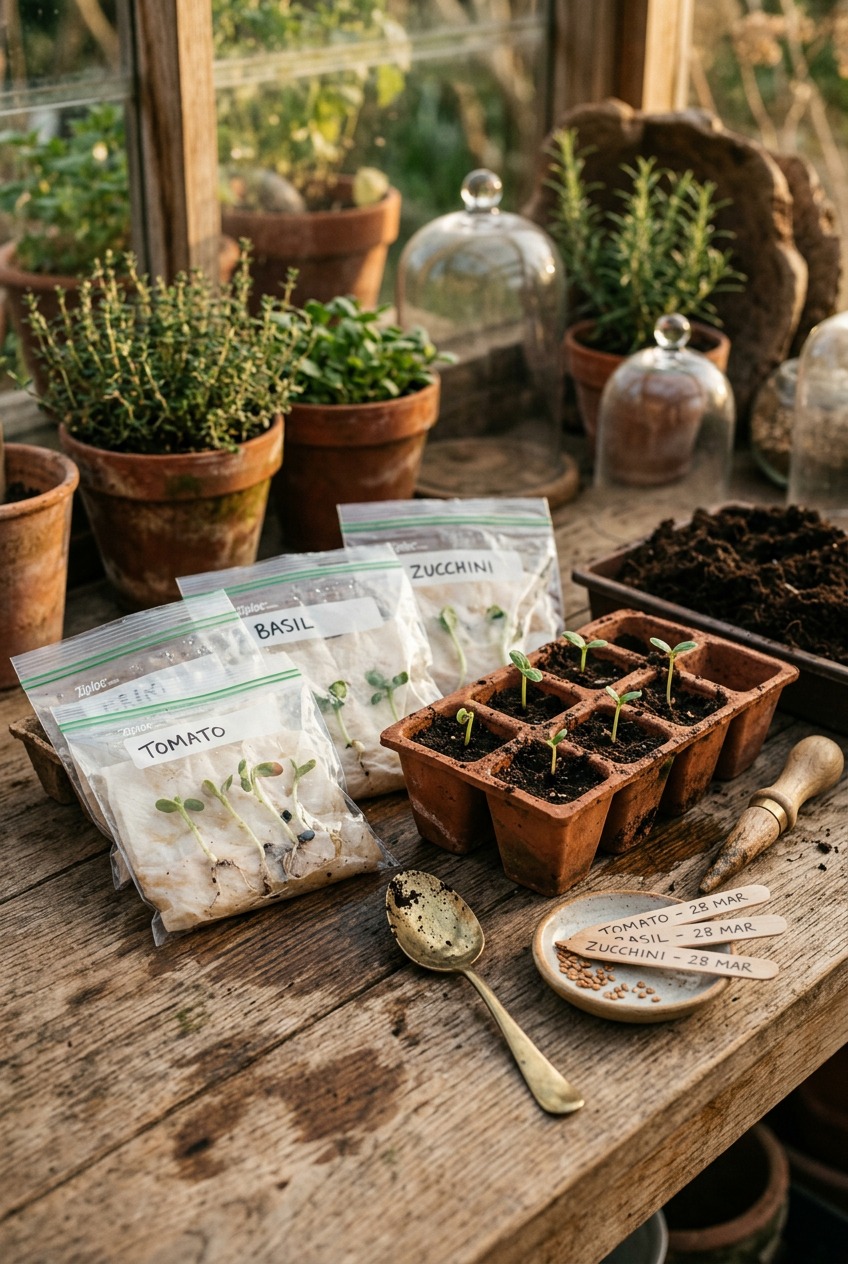
When and How to Transplant
Move sprouted seeds to soil as soon as the root (radicle) is 1/4 to 1/2 inch long. Don’t wait until roots are long and tangled. Short roots transplant easily. Long roots break and grow into the paper towel fibers, making separation difficult.
Transplanting steps:
Fill small pots or cell trays with pre-moistened seed starting mix. A good basic mix is equal parts peat moss (or coco coir) and perlite.
Make a hole in the soil about 1/2 inch deep, using a pencil or your finger.
Carefully peel the paper towel back from each sprouted seed. If a root has grown into the towel, tear the towel around it rather than pulling the root free. A small piece of paper towel planted with the seed won’t cause problems.
Place the sprouted seed in the hole, root pointing down. If you can’t tell which end is the root, lay the seed on its side. It will figure it out.
Cover lightly with soil. Don’t pack it down.
Mist the surface with water. Keep the soil consistently moist (not waterlogged) until the seedling is established.
Place under grow lights or in a bright south-facing window. Seedlings need 12 to 16 hours of light per day.
Baggie Method vs. Traditional Seed Starting
| Factor | Baggie Method | Traditional (Trays + Soil) |
|---|---|---|
| Cost | Under $5 | $15 to $40 for trays, soil, lights |
| Space needed | A shelf or countertop | A table or rack with lighting |
| Setup time | 5 minutes | 30 to 60 minutes |
| Germination visibility | You see every seed sprout | Hidden under soil |
| Germination rate | Often higher (controlled moisture) | Depends on soil moisture consistency |
| Best for | Testing old seeds, small batches, quick starts | Large quantities, full season growing |
| Limitations | Must transplant to soil quickly | Can grow in trays for weeks |
Three Smart Uses for the Baggie Method
1. Testing old seed viability. Have a packet of seeds from 2022? Put 10 seeds in a baggie. If 7 or more sprout, the packet is still good. If 3 or fewer sprout, buy fresh seed.
2. Getting a head start on slow germinators. Pepper seeds can sit in soil for weeks before you see anything. In a baggie, you know within 10 days whether they’re viable. Start peppers in baggies 8 to 10 weeks before your last frost date, then move sprouts to pots under lights.
3. Starting seeds without a full setup. If you don’t own grow lights, heat mats, or cell trays, the baggie method gets you started with supplies from your kitchen. You can add equipment later if you want to scale up.
Common Mistakes
Too much water. The paper towel should be damp, not dripping. Excess water drowns seeds and invites mold.
Forgetting to check daily. Roots grow fast. A seed that sprouted yesterday might have a 2-inch root by tomorrow. Check every day and transplant promptly.
Leaving seeds in the bag too long. The bag is for germination only. Once roots appear, get those seeds into soil within 24 to 48 hours. Paper towels have no nutrients. Seedlings that stay in the bag too long become weak and leggy.
Using printed or textured paper towels. Some paper towels contain dyes, lotions, or texture embossing that can inhibit germination. Use plain white, unprinted towels.
Placing bags in direct sun. A sealed plastic bag in a sunny window can reach 100°F or higher inside. That kills seeds. Warm room, indirect light. That’s all you need.
The baggie method won’t replace a proper seed starting setup if you’re growing 200 tomato plants for a market garden. But for the home gardener who wants to test a few varieties, get peppers started early, or try seed starting for the first time, it’s the simplest way to begin. Five minutes of setup, a few days of checking, and you have sprouts ready for soil.