A cottage garden is supposed to look slightly out of control.
The version that gets pinned the most on Pinterest is usually staged: every plant in the right spot, every color coordinated, every bed weed-free. Real cottage gardens are messier than that. Plants self-seed, edges blur, some colors clash for a week each season. That is part of the look.
These ten perennials are the ones that do the work. Plant them once. They come back every year. They tolerate the conditions most yards actually have. None require staking, special soil, or a watering schedule beyond what the season provides.
1. Black-Eyed Susan (Rudbeckia)
Black-eyed Susan is the cottage perennial that blooms longest with the least effort.
Yellow daisy-like flowers with dark brown centers from July to first frost. Grows 2 to 3 feet tall in full sun. Tolerates dry soil, clay soil, and most pests. Spreads slowly by self-seeding, which is what you want in a cottage bed.
Hardy in Zones 3 through 9. Cut back to ground level in late fall or leave the seed heads up through winter for the goldfinches.
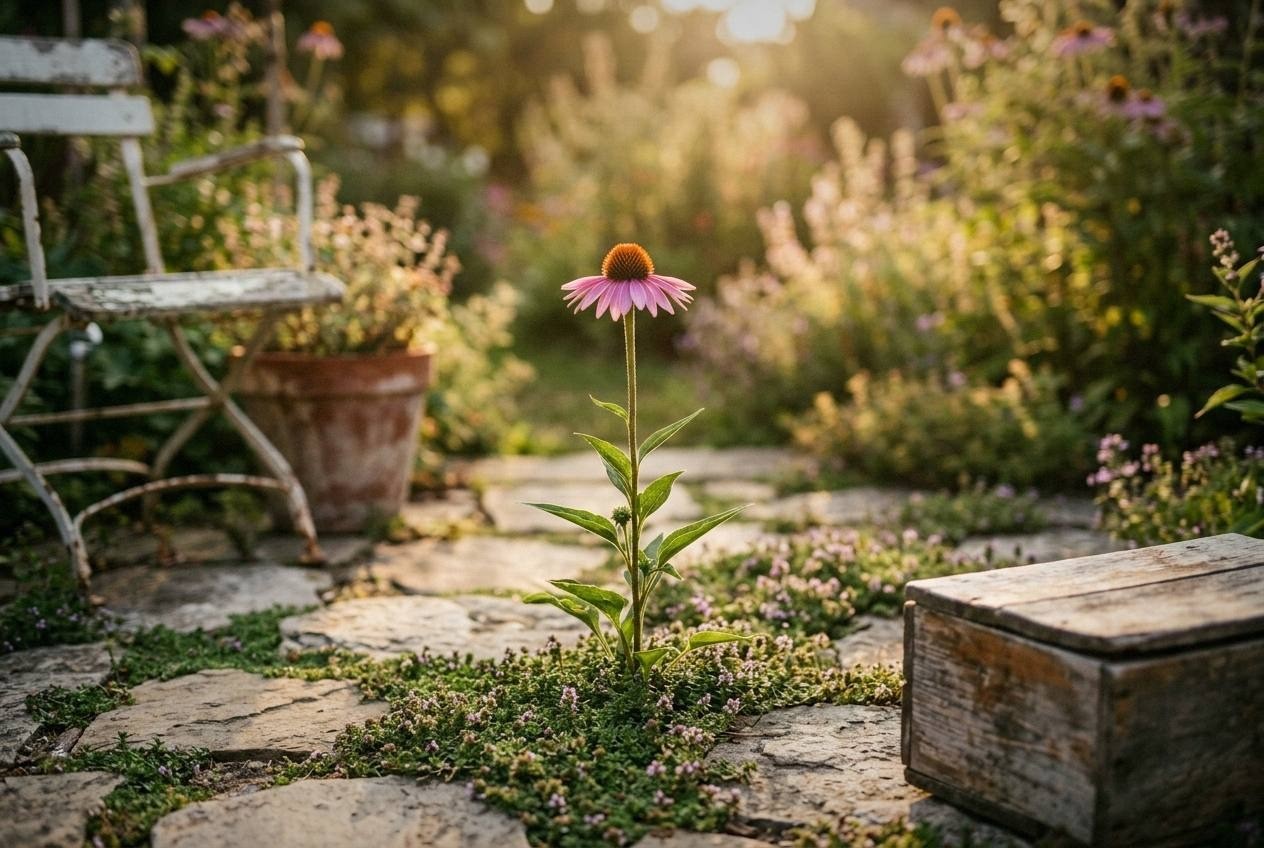
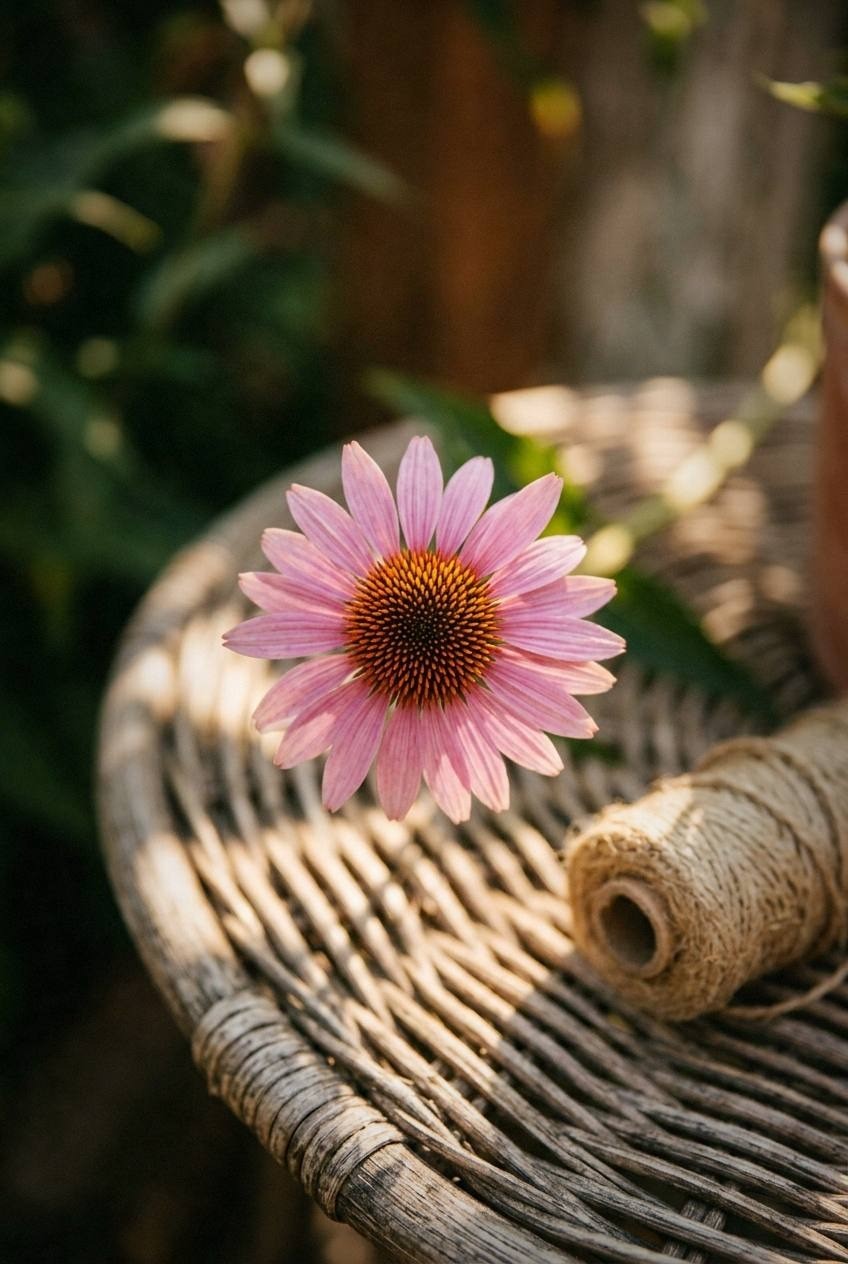
2. Coneflower (Echinacea)
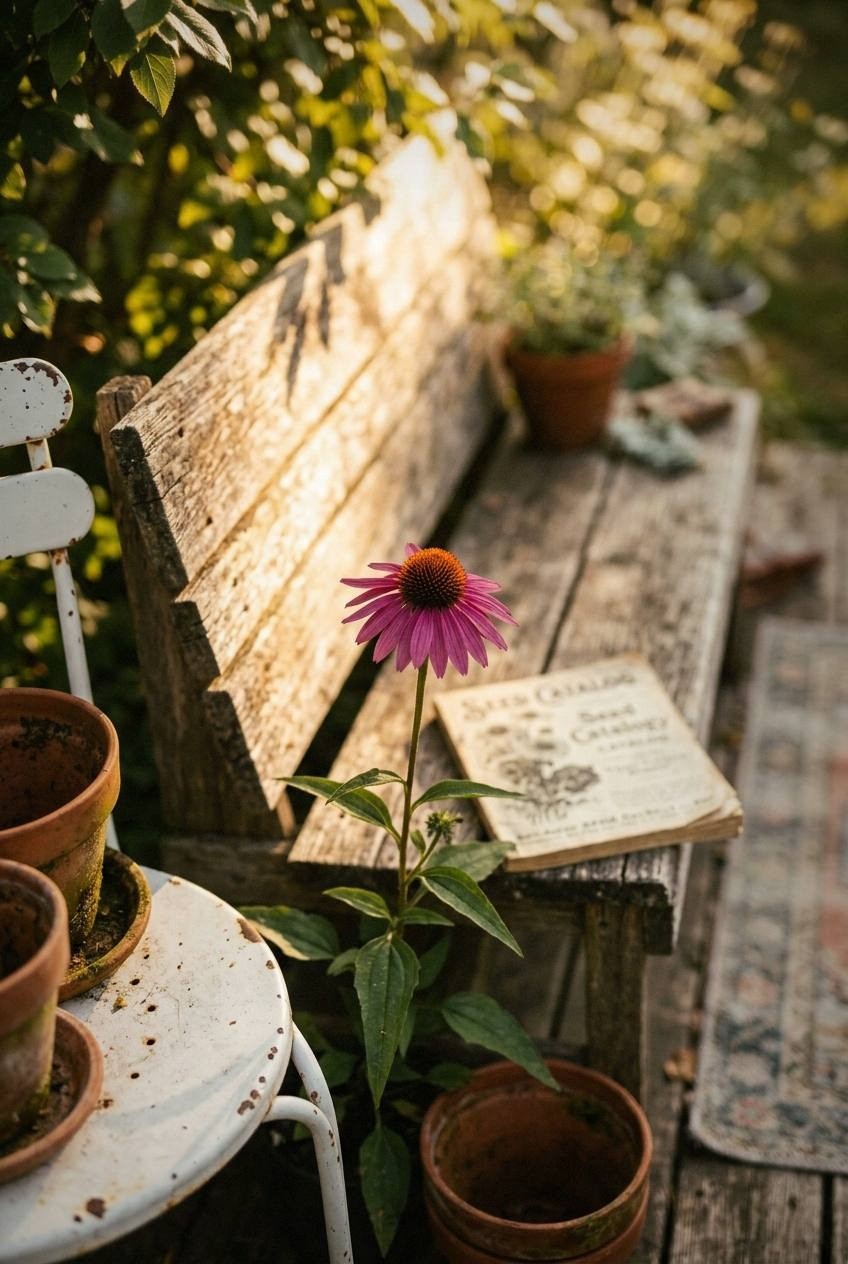
Coneflower is the partner plant to black-eyed Susan in almost every cottage bed.
Pink, purple, white, or yellow flowers from June to September on 2 to 4 foot stems. Drought-tolerant once established. Attracts butterflies in summer and finches in fall, since the seed heads stay up.
Hardy in Zones 3 through 9. Cut back to ground in late fall, or leave standing as winter interest.
3. Yarrow (Achillea)
Yarrow is the cottage perennial that thrives in the conditions other plants complain about.
Flat-topped clusters of white, yellow, pink, or red flowers from June to September. Soft, ferny, gray-green leaves. Grows 18 to 36 inches tall depending on variety. Tolerates poor soil, drought, and full sun.
Hardy in Zones 3 through 9. Cut back to basal foliage after flowering to encourage a second flush.
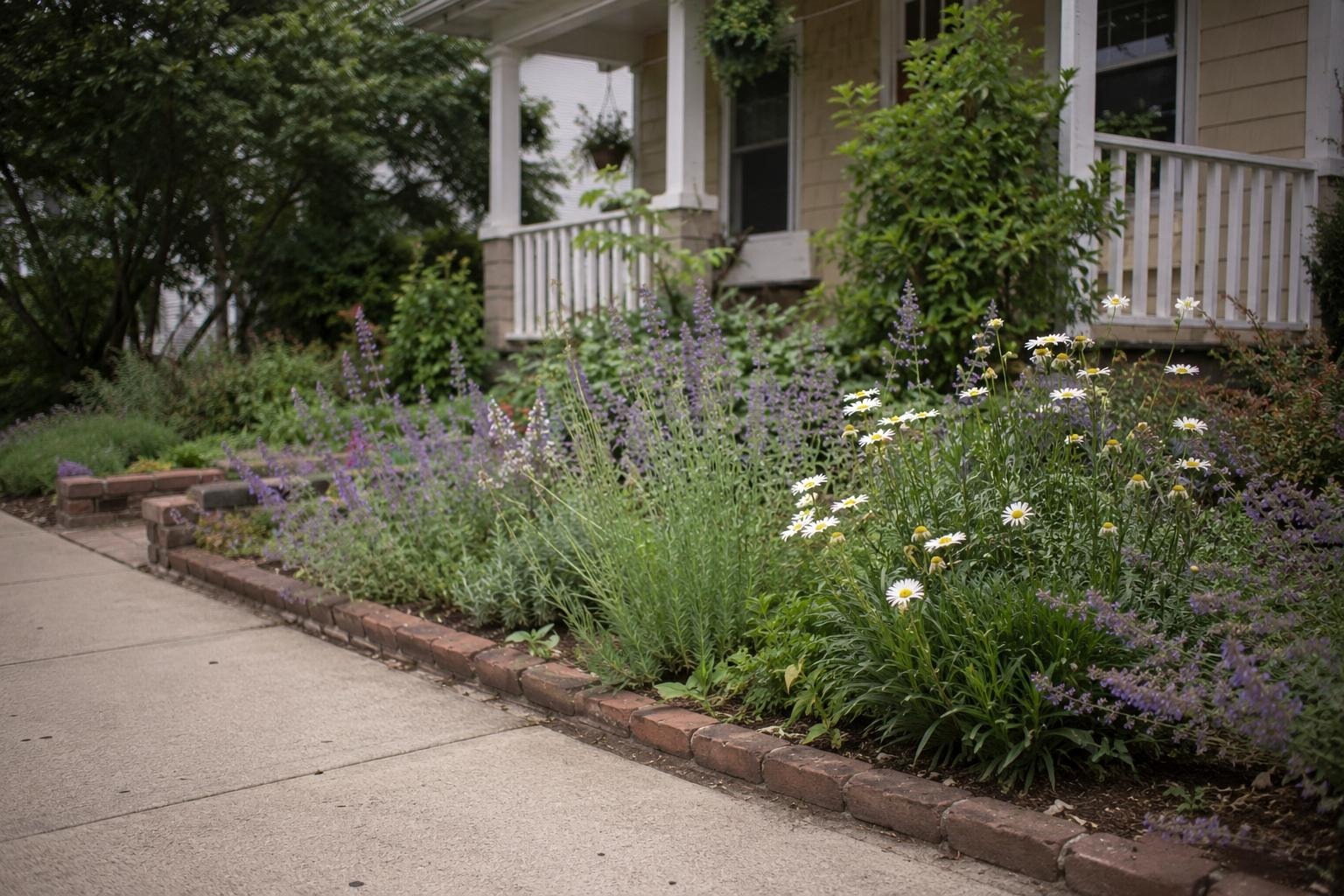
4. Catmint (Nepeta)
Catmint is the plant that fills the gap between hard edges and softer perennials.
Spikes of small lavender-blue flowers from May through August on mounded gray-green foliage. Grows 18 to 30 inches tall and wide. Drought-tolerant and deer-resistant.
Hardy in Zones 3 through 8. Shear back by half after the first bloom flush in June for a strong second bloom in late July. Catmint is what makes cottage beds look layered without taking over.
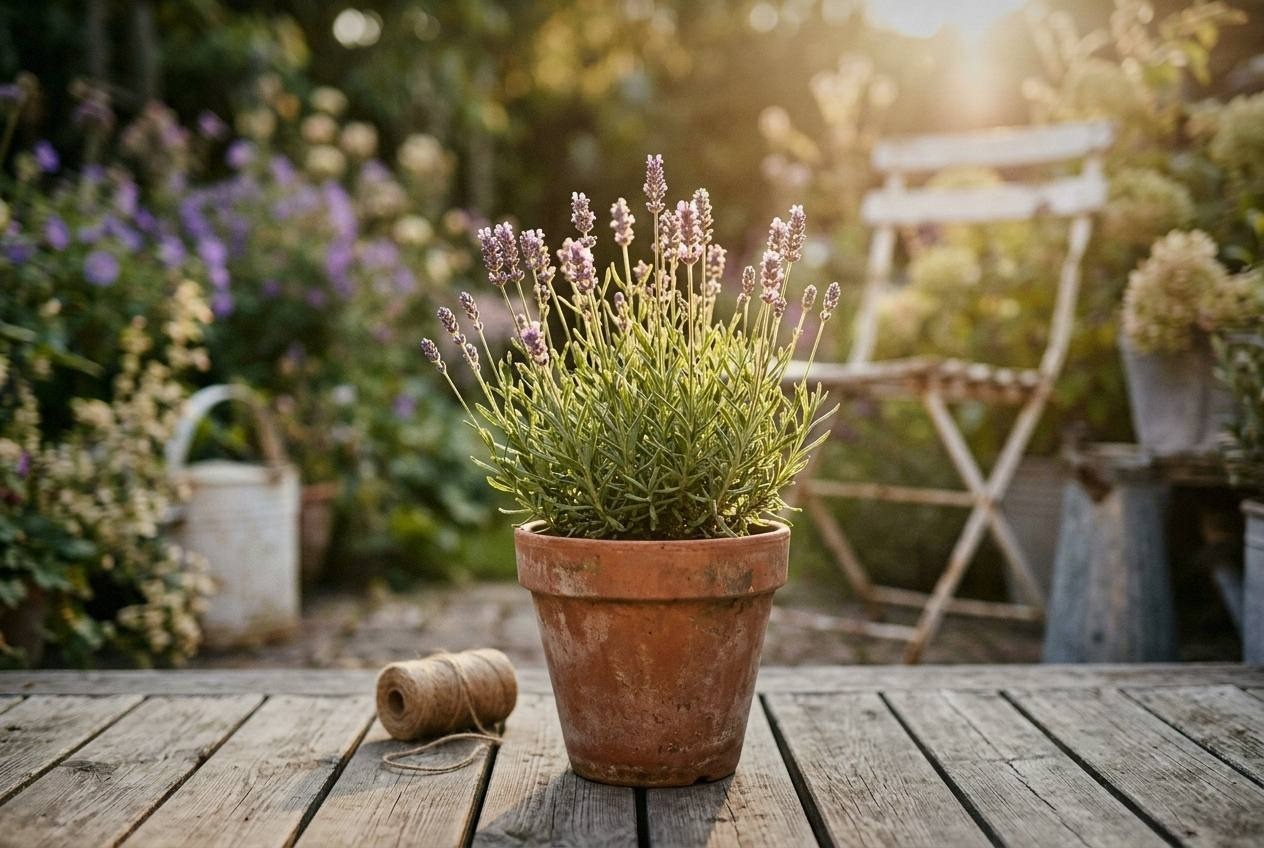
5. Lavender (Lavandula)
Lavender belongs in any cottage bed that gets full sun and good drainage.
Spikes of fragrant purple flowers from June through August. Mounded gray-green foliage that holds shape year-round in mild zones. English lavender (Lavandula angustifolia) is the hardy choice for Zones 5 through 9.
Drainage matters more than soil quality. Lavender rots in wet feet. Plant on a small mound or in raised beds if your soil holds water. Cut back by one-third after flowering, never into the woody stems.
6. Hardy Geranium (Geranium Sanguineum and Others)
Hardy geranium is not the same plant as the annual geraniums in hanging baskets. The hardy version is a perennial groundcover that fills cottage beds without taking over.
Pink, magenta, or white five-petal flowers from May through July. Mounded foliage that holds through fall. Grows 12 to 18 inches tall. Tolerates partial shade, which makes it useful where many other cottage perennials struggle.
Hardy in Zones 4 through 8. Shear back by half after the first flush for a second bloom in September.
7. Salvia (Salvia Nemorosa and Others)
Salvia is the upright spike that gives a cottage bed structure.
Spikes of purple, blue, white, or pink flowers from May through July on 18 to 30 inch stems. Drought-tolerant. Attracts hummingbirds and bumblebees. Tolerates poor soil.
Hardy in Zones 4 through 8. Cut back the spent flower stems to push a second bloom in August. Pair with catmint for the layered look most cottage gardens are reaching for.
8. Russian Sage (Perovskia)
Russian sage is the late-summer cottage perennial when most other plants have stopped.
Cloud-like sprays of small lavender-blue flowers from July through September on silvery stems. Grows 3 to 4 feet tall. Drought-tolerant once established. Adds a hazy, airy texture that contrasts with denser perennials.
Hardy in Zones 4 through 9. Cut back to 6 inches from the ground in early spring before new growth starts. Russian sage gets leggy if pruned mid-season.
9. Daylily (Hemerocallis)
Daylily is the workhorse of cottage beds. Each flower lasts only one day, but each plant produces dozens.
Yellow, orange, red, pink, or peach flowers from June through August depending on variety. Strap-like foliage stays green through summer. Tolerates almost any soil and a wide range of light conditions.
Hardy in Zones 3 through 9. Divide every 4 to 5 years to keep blooms strong. Daylilies are also one of the few perennials that reliably bloom in part-shade beds.
10. Lamb’s Ear (Stachys Byzantina)
Lamb’s ear is the soft-textured, silver-gray groundcover that softens hot color palettes.
Velvety silver leaves form a low mat 6 to 8 inches tall. Pink-purple flower spikes appear in early summer, though many gardeners cut them off to keep the foliage as the focus. Drought-tolerant and deer-resistant.
Hardy in Zones 4 through 8. Spreads slowly. Plant at the front of cottage beds where you walk past it. Children and dogs both reach for the leaves.
What Makes a Cottage Bed Work
A working cottage bed has at least 3 of these plants. Five is better. The combination matters more than any single plant.
Plant in groups of 3 or 5, not in straight rows. Mix bloom times so something is flowering from May through September. Leave some seed heads through winter for the birds. Resist the urge to prune everything to the ground in October.
The cottage garden that looks right in July is the one that was planted right in May, then mostly left alone.
Keep Reading
These related guides build on the same project area and help connect the next practical step: